


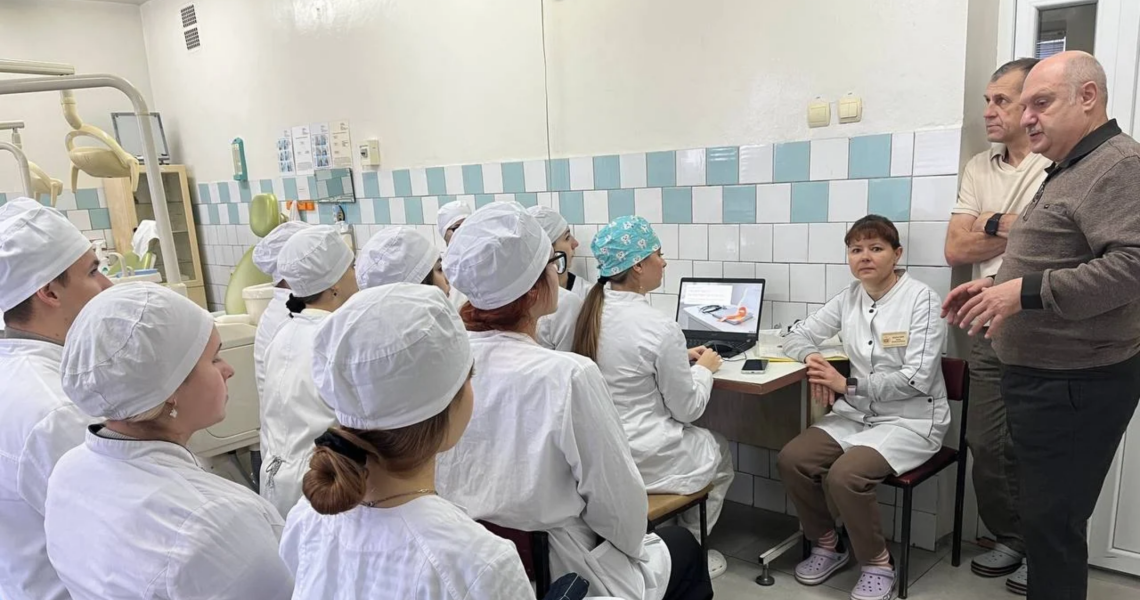
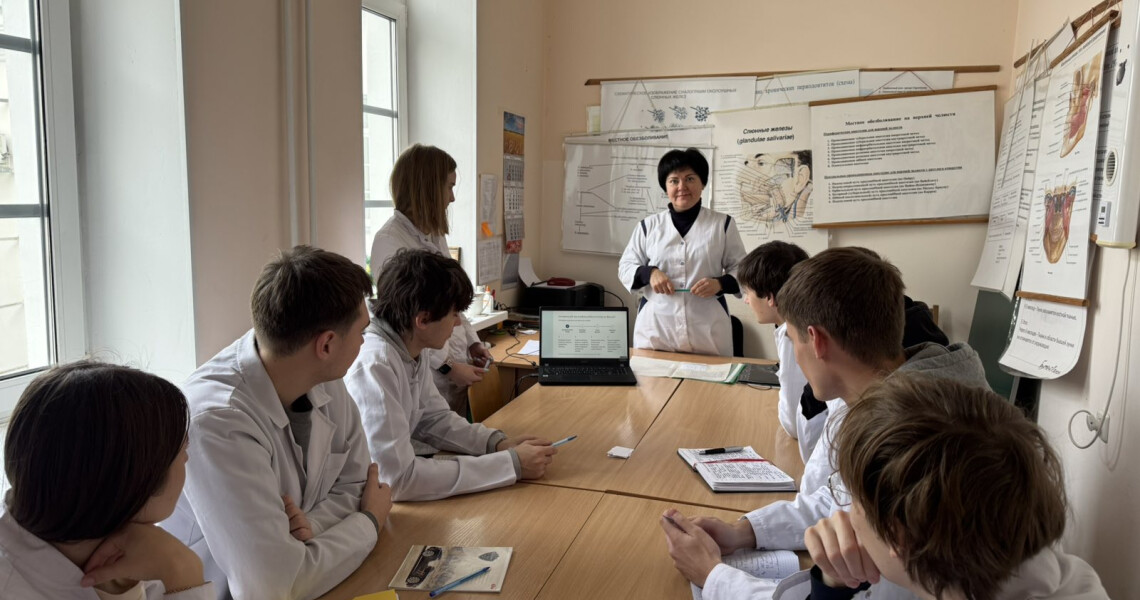
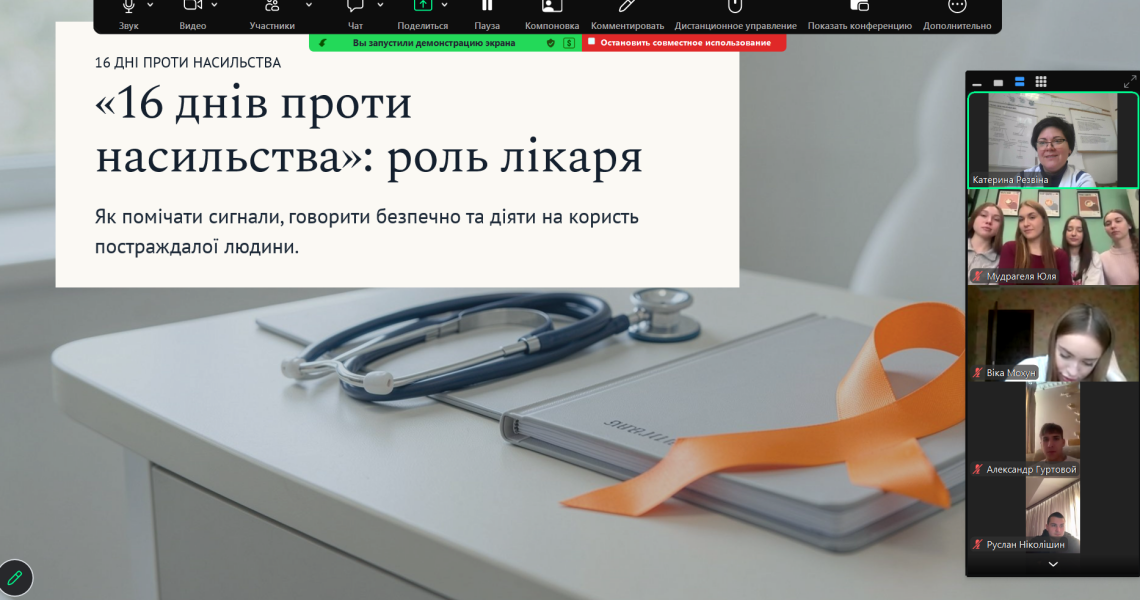
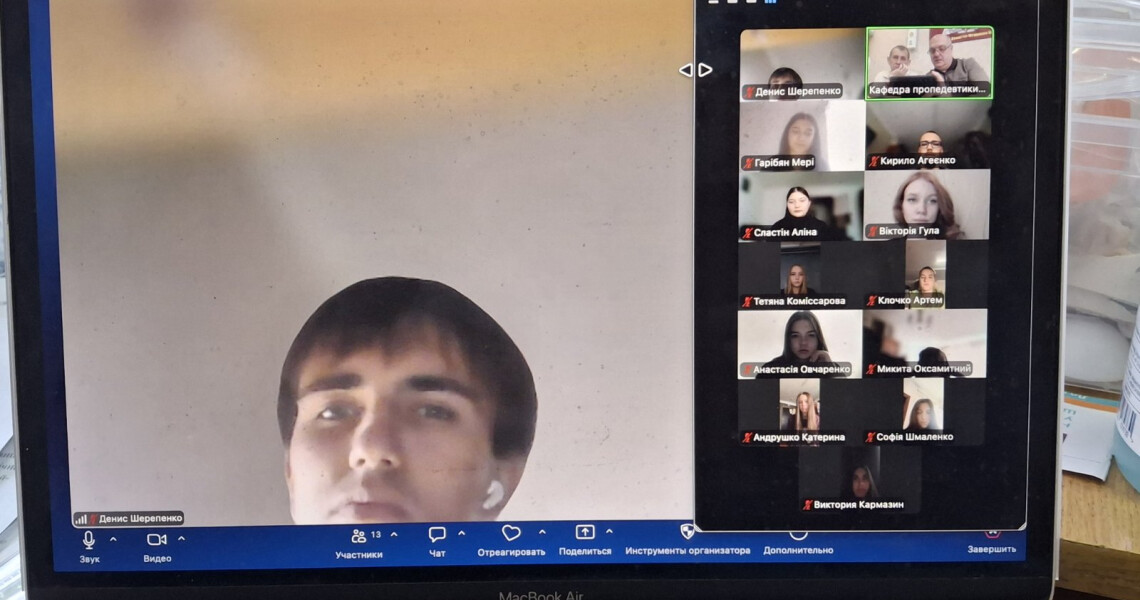
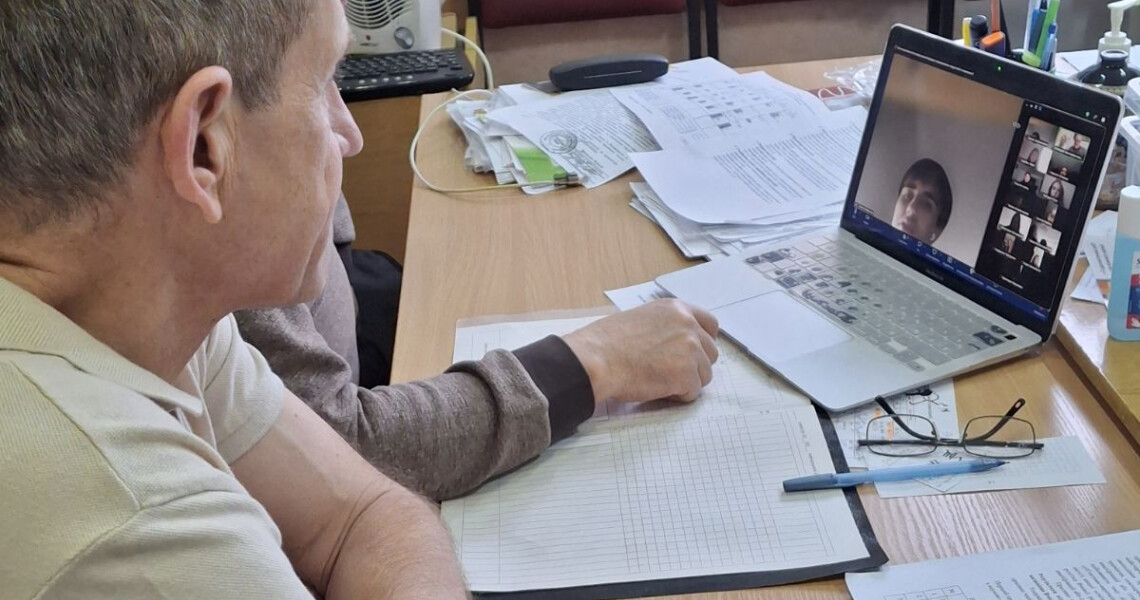
25 листопада 2026 року для здобувачів вищої освіти 2-го та 3-го курсів стоматологічного факультету Полтавського державного медичного університету відбулися виховна година та тематична бесіда «16 днів проти насильства»: роль лікаря».
Захід провели у змішаному форматі на кафедрі пропедевтики хірургічної стоматології ПДМУ під керівництвом її завідувача, професора Вадима Новікова, за участю науково-педагогічних працівників кафедри. До організації долучилися відповідальна за виховну роботу, доцент Олена Дубровіна, доценти Артур Панькевич, Інна Колісник, Катерина Резвіна та Андрій Гоголь.
Основну увагу під час зустрічі приділили ролі медичного працівника у своєчасному виявленні ознак насильства, належному спілкуванні з постраждалими та визначенні подальших дій під час амбулаторного прийому.
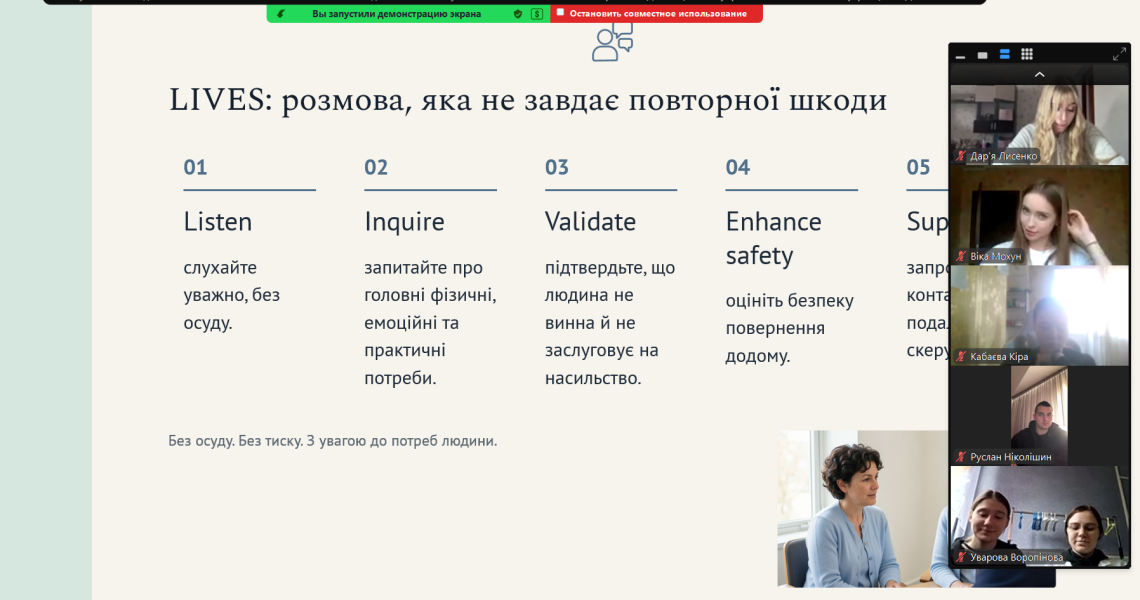
За допомогою тематичної презентації, дискусії та розбору клінічного випадку здобувачі освіти ознайомилися з різними формами насильства та ознаками, які можуть свідчити про нього. Окремо розглянули принципи комунікації з постраждалими відповідно до протоколу LIVES: уважне вислуховування без осуду, з’ясування актуальних потреб, підтвердження того, що постраждала особа не винна у скоєному, оцінювання її безпеки та скерування до відповідних служб допомоги. Також обговорили особливості документування тілесних ушкоджень і подальшого скерування пацієнтів по допомогу.
Учасники зустрічі наголосили, що професійна відповідальність лікаря полягає не лише у наданні медичної допомоги, а й у здатності вчасно розпізнати можливі ознаки насильства, підтримати пацієнта, не допустивши повторної психологічної травматизації, та за потреби допомогти йому звернутися до профільних фахівців.
Важливою складовою професійної підготовки майбутніх лікарів є також формування нетерпимого ставлення до будь-яких проявів насильства, булінгу та дискримінації. В умовах повномасштабної війни питання безпеки, захисту людської гідності та підтримки постраждалих набувають особливого значення, тому їх обговорення має бути невіддільною частиною підготовки майбутніх медичних працівників.
Пресслужба Полтавского державного медицинского университета
“16 Days of Activism Against Violence”: PSMU Dental Students Discuss the Role of Doctors in Identifying and Preventing Violence
On 25 November 2026, an educational session and thematic discussion entitled “16 Days of Activism Against Violence: The Role of a Doctor” were held for second- and third-year students of the Faculty of Dentistry at Poltava State Medical University (PSMU).
The event was conducted in a hybrid format at the Department of Propaedeutics of Oral Surgery of PSMU under the supervision of its Head, Professor Vadym Novikov, with the participation of the Department's academic staff. The event was organised with the involvement of Associate Professor Olena Dubrovina, who is responsible for educational activities, and Associate Professors Artur Pankevych, Inna Kolisnyk, Kateryna Rezvina, and Andrii Hohol.
The discussion focused primarily on the role of healthcare professionals in the timely identification of signs of violence, appropriate communication with survivors, and determining further actions during outpatient consultations.
Through a thematic presentation, discussion, and clinical case analysis, students learned about different forms of violence and the signs that may indicate its occurrence. Particular attention was paid to the principles of communicating with survivors in accordance with the LIVES protocol: listening attentively and without judgement, enquiring about their current needs, validating their experience and making it clear that they are not to blame for the violence, enhancing their safety, and providing referrals to appropriate support services. The participants also discussed the proper documentation of physical injuries and the subsequent referral of patients for further assistance.
The participants emphasised that a doctor's professional responsibility extends beyond providing medical care. It also involves the ability to recognise possible signs of violence in a timely manner, support patients without causing further psychological trauma, and, when necessary, help them access specialised services.
An equally important component of the professional training of future doctors is fostering zero tolerance towards all forms of violence, bullying, and discrimination. In the context of the full-scale war, issues of safety, the protection of human dignity, and support for survivors have acquired particular significance. Therefore, discussing these issues must remain an integral part of the training of future healthcare professionals.