


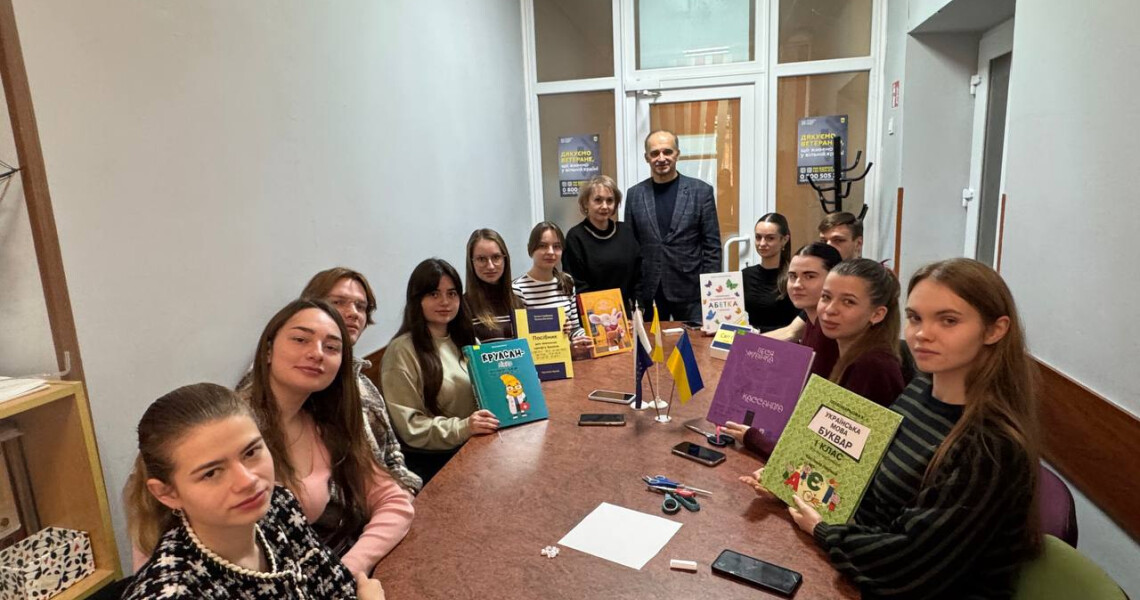
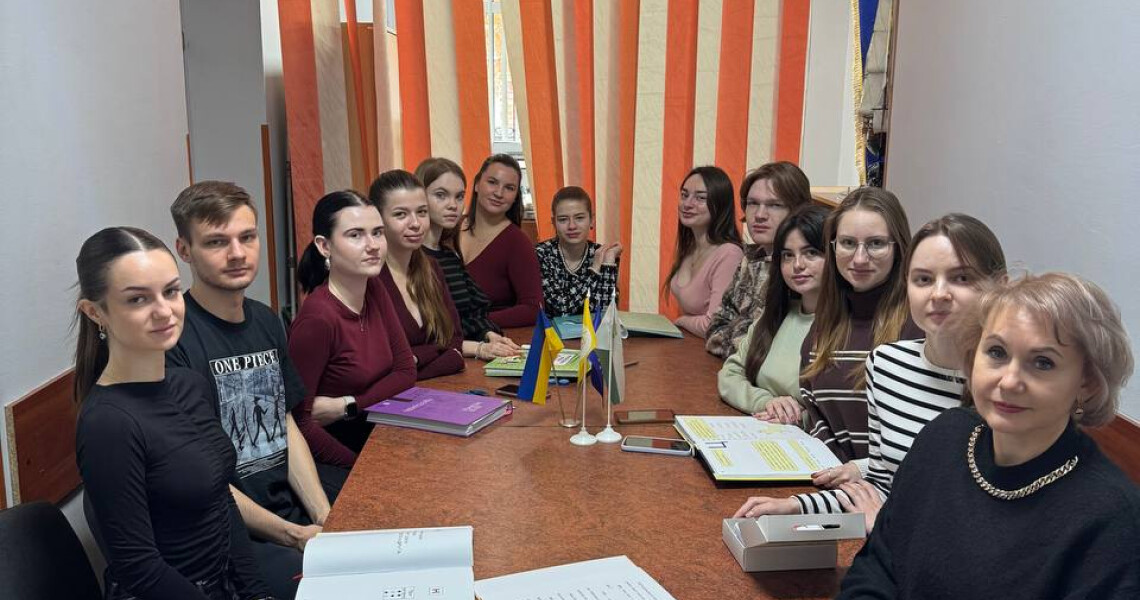
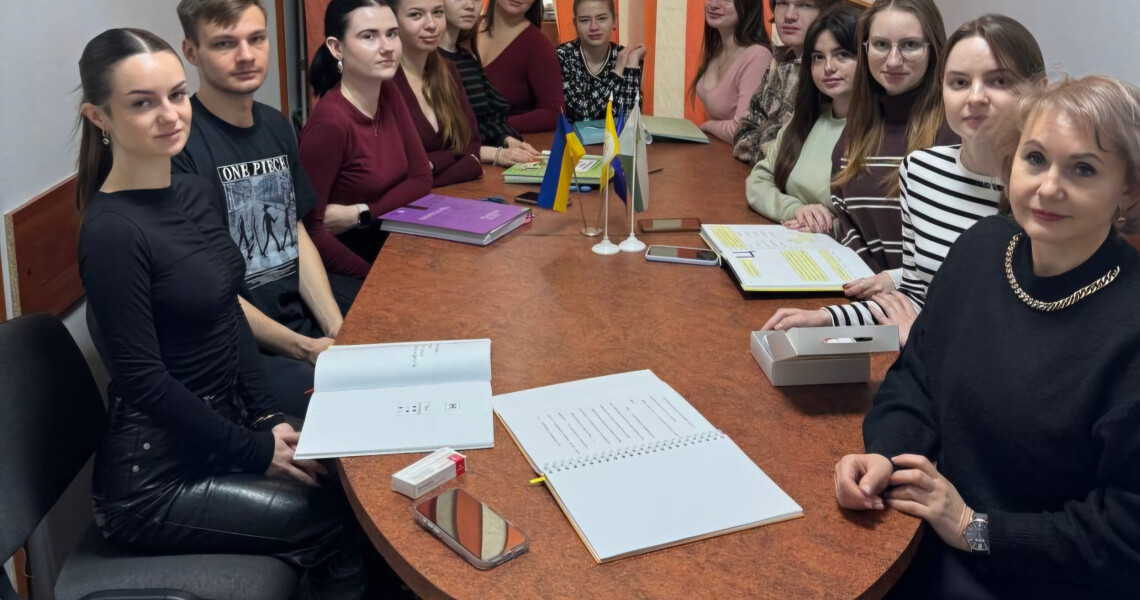
З нагоди Дня Гідності та Свободи за ініціативи кафедри ендокринології з дитячими інфекційними хворобами ПДМУ (завідувачка кафедри – доцентка Оксана Муравльова, відповідальна за виховну роботу – доцентка Катерина Пікуль) відбулася тематична зустріч зі здобувачами освіти 5 курсу медичного факультету № 1.
Звернення до теми безбар’єрності в контексті цього дня не випадкове, адже повага до людської гідності передбачає визнання рівних прав кожної людини незалежно від її фізичних можливостей, стану здоров’я та індивідуальних особливостей. У сфері охорони здоров’я ці принципи мають особливе значення: кожен пацієнт повинен мати рівний доступ до медичних послуг, зрозумілої інформації про стан свого здоров’я та можливість брати участь у прийнятті рішень щодо лікування. Важливою складовою безбар’єрності є також свобода пересування та доступність громадського простору, транспорту й медичних закладів, щоб фізичні перешкоди не обмежували можливості людини самостійно пересуватися, звертатися по медичну допомогу та брати повноцінну участь у суспільному житті.
Захід організовано відділом управління освітньо-виховною та гуманітарною роботою з молоддю за участю практичного психолога Фахового медико-фармацевтичного коледжу ПДМУ Тетяни Климач.
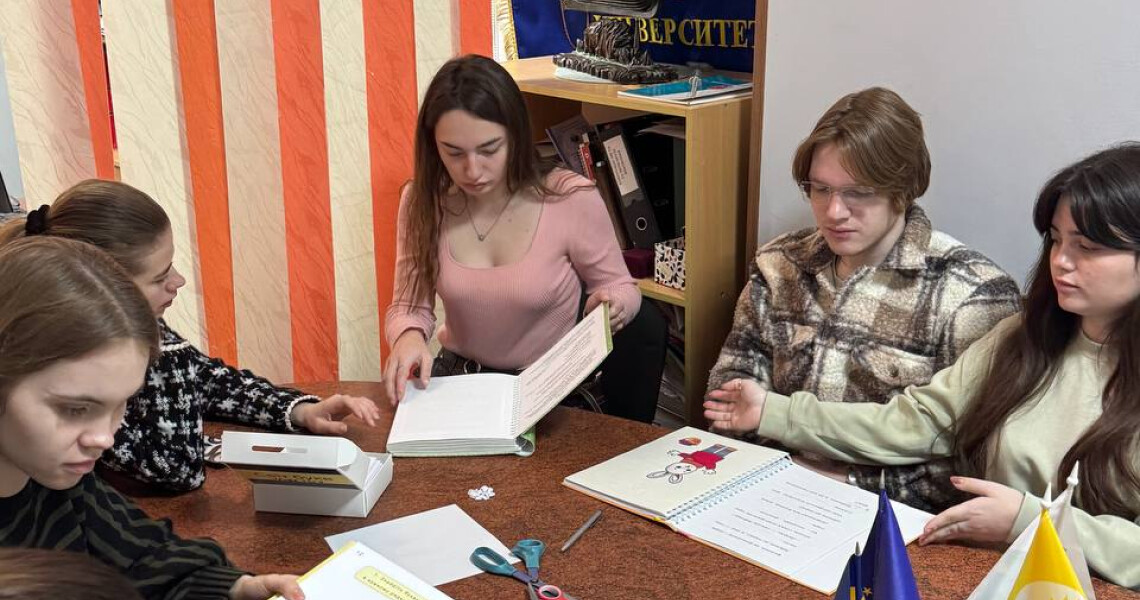
Під час зустрічі учасники обговорили важливість формування культури безбар’єрності, забезпечення рівних можливостей і поваги до індивідуальних особливостей кожної людини. Одним із ключових питань стала доступність інформації для людей із порушеннями зору.
Здобувачі освіти ознайомилися з особливостями рельєфно-крапкового письма, принципами побудови шрифту Брайля та його значенням у повсякденному житті людей із порушеннями зору. Також розглянули можливості його використання у фармацевтичній галузі та медичній практиці, зокрема для забезпечення доступності інформації про лікарські засоби й медичні послуги.
Зустріч стала нагодою замислитися над тим, що безбар’єрність – це не лише фізична доступність простору, а й доступність інформації та послуг, можливість кожної людини бути почутою, отримувати необхідну допомогу й повноцінно брати участь у суспільному житті. Для майбутніх медиків розуміння цих принципів є важливою складовою професійної культури та поважного ставлення до пацієнта.
Безбар’єрність починається з поваги до людини, її гідності, потреб і права на рівні можливості.
Пресслужба Полтавского державного медицинского университета
Accessibility Begins with Respect: A Meeting with Students on the Day of Dignity and Freedom
On the occasion of the Day of Dignity and Freedom, a тематical meeting was held with fifth-year students of Medical Faculty No. 1 at Poltava State Medical University (PSMU), at the initiative of the Department of Endocrinology with Paediatric Infectious Diseases (Head of the Department – Associate Professor Oksana Muravlova; Person Responsible for Educational Activities – Associate Professor Kateryna Pikul).
Addressing the issue of accessibility and inclusion in the context of this commemorative day was no coincidence, as respect for human dignity implies recognition of the equal rights of every individual, regardless of their physical abilities, health status or personal characteristics. These principles are particularly important in healthcare: every patient should have equal access to medical services, clear information about their health condition, and the opportunity to participate in decisions concerning their treatment. Freedom of movement and accessibility of public spaces, transport and healthcare facilities are also essential components of an inclusive environment, ensuring that physical barriers do not restrict people's ability to move independently, seek medical assistance and participate fully in society.
The event was organised by the Department for the Management of Educational, Upbringing and Youth Development Activities, with the participation of Tetiana Klymach, Practical Psychologist at the PSMU Professional Medical and Pharmaceutical College.
During the meeting, participants discussed the importance of fostering a culture of accessibility and inclusion, ensuring equal opportunities and respecting the individual characteristics of every person. One of the key topics was access to information for people with visual impairments.
The students learned about the features of tactile writing, the principles underlying the Braille system and its importance in the everyday lives of people with visual impairments. They also explored its potential applications in the pharmaceutical sector and medical practice, particularly in ensuring that information about medicinal products and healthcare services is accessible to everyone.
The meeting provided an opportunity to reflect on the fact that accessibility and inclusion involve not only physical access to the environment but also access to information and services, as well as the opportunity for every individual to be heard, receive the assistance they need and participate fully in society. For future healthcare professionals, understanding these principles is an essential component of professional ethics and a respectful approach to patients.
Accessibility begins with respect for every individual, their dignity, needs and right to equal opportunities.