


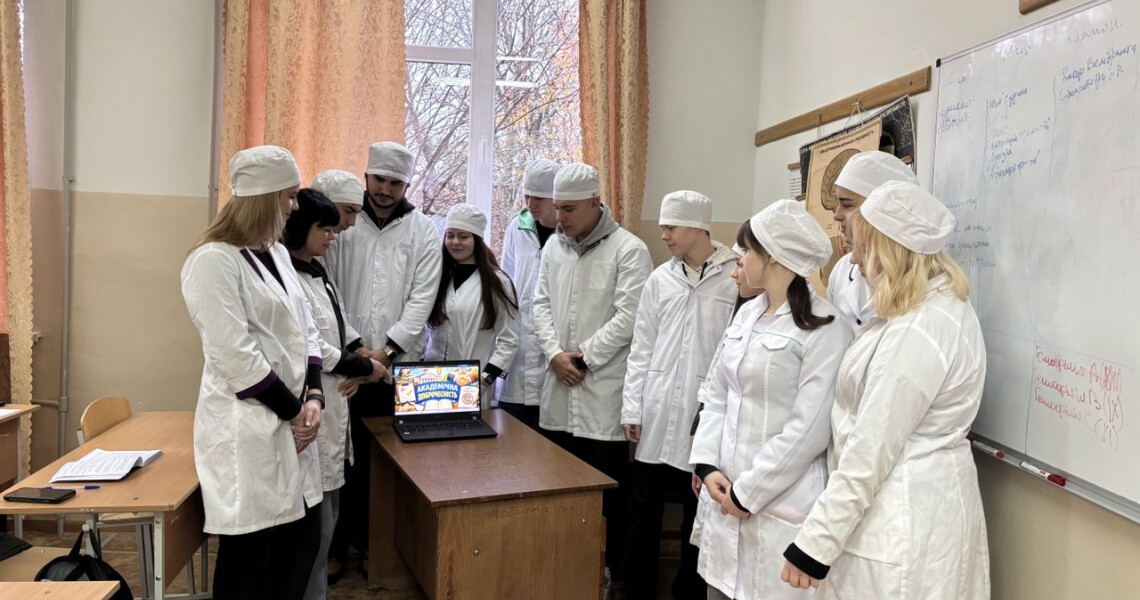
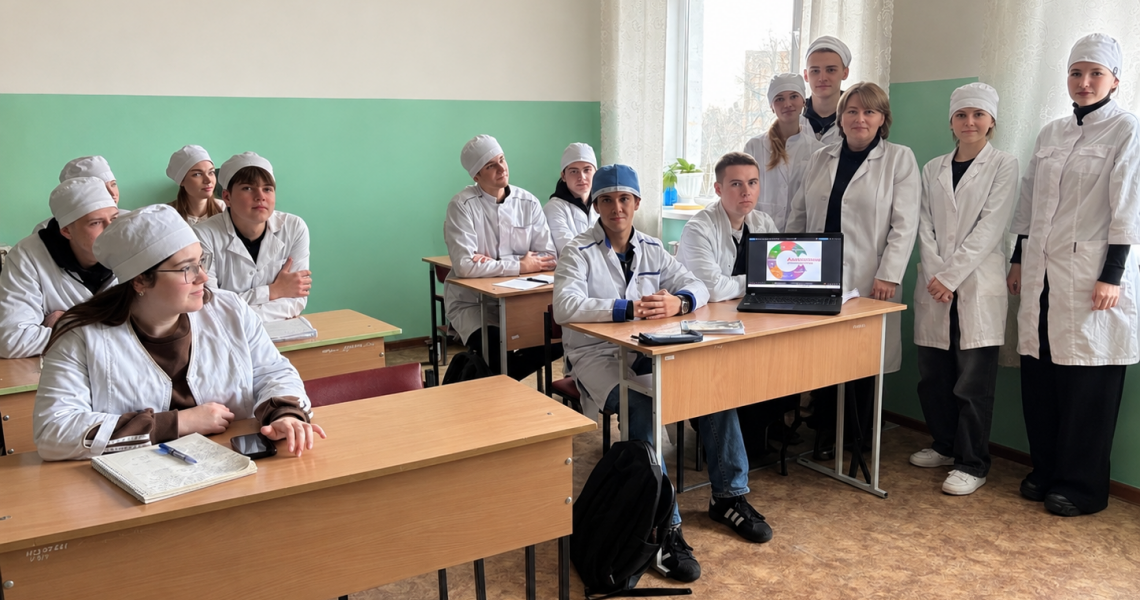
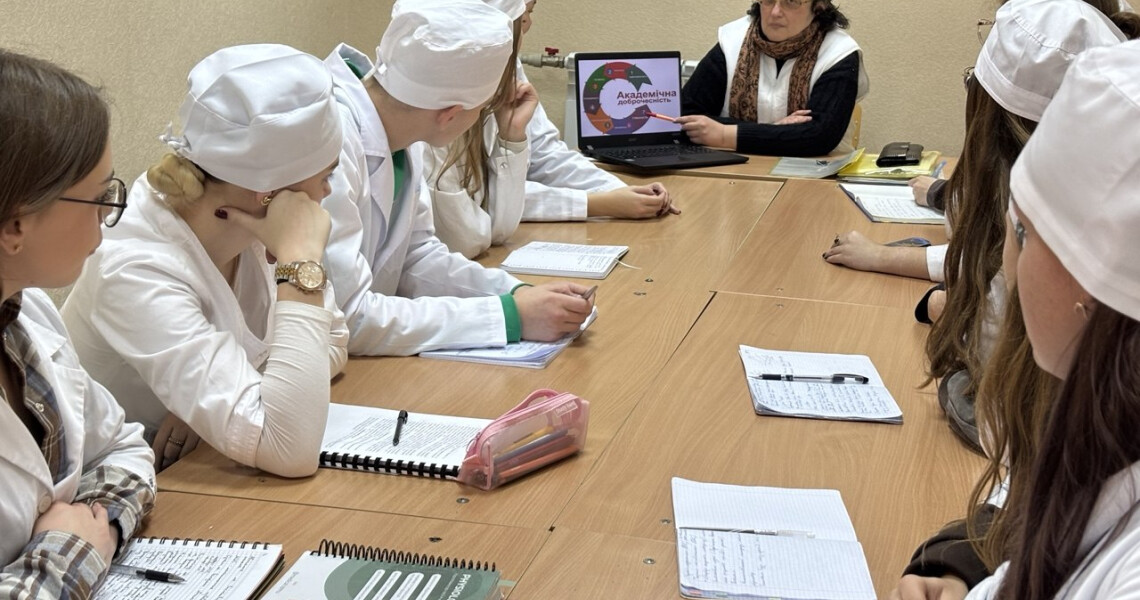
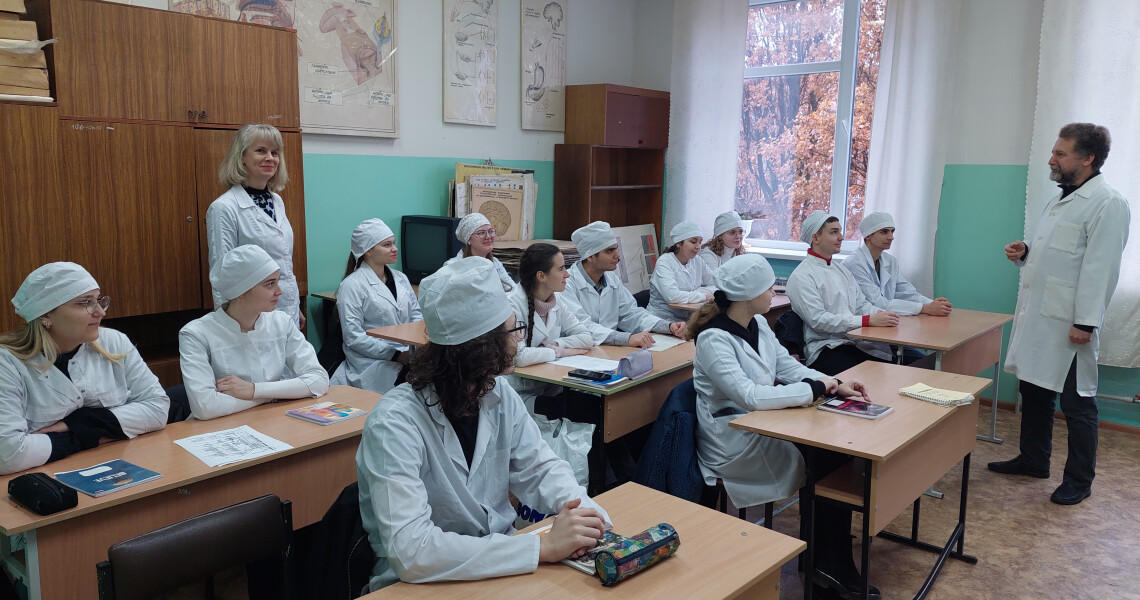
Напередодні екзаменаційної сесії на кафедрі фізіології Полтавського державного медичного університету провели інформаційно-роз’яснювальну зустріч зі здобувачами освіти, присвячену питанням академічної доброчесності.
Під час спілкування викладачі та студенти детально розглянули ключові засади чесного навчання: відповідальність за результати власної праці, об’єктивність оцінювання, повагу до інтелектуальної власності та неприпустимість академічного плагіату. Особливу увагу приділили правилам самостійного складання іспитів і заліків, що є особливо актуальним напередодні сесії.
Викладачі наголосили, що дотримання етичних норм в освітньому процесі є не лише вимогою часу та запорукою якісної підготовки, а й основою професійної чесності майбутнього лікаря.
Учасники зустрічі відзначили важливість відкритого діалогу та свідомого ставлення молоді до навчання, адже саме академічна культура в університеті формує подальшу довіру пацієнтів до медичної професії.
Пресслужба Полтавского державного медицинского университета
The Foundation of Medical Ethics: PSMU Department of Physiology Discusses the Principles of Academic Integrity
Ahead of the examination session, the Department of Physiology at Poltava State Medical University held an information and awareness-raising meeting with students on the principles of academic integrity.
During the meeting, academic staff and students discussed the key principles of honest learning in detail: taking responsibility for one's own work, ensuring objective assessment, respecting intellectual property, and avoiding academic plagiarism. Particular attention was paid to the rules for independently taking examinations and completing assessments, an especially relevant topic ahead of the examination period.
The academic staff emphasized that adherence to ethical standards in the educational process is not only a requirement of the times and a prerequisite for high-quality education, but also the foundation of professional integrity for future doctors.
Participants highlighted the importance of open dialogue and students' conscious approach to learning, noting that the academic culture fostered at university helps build patients' trust in the medical profession in the future.