


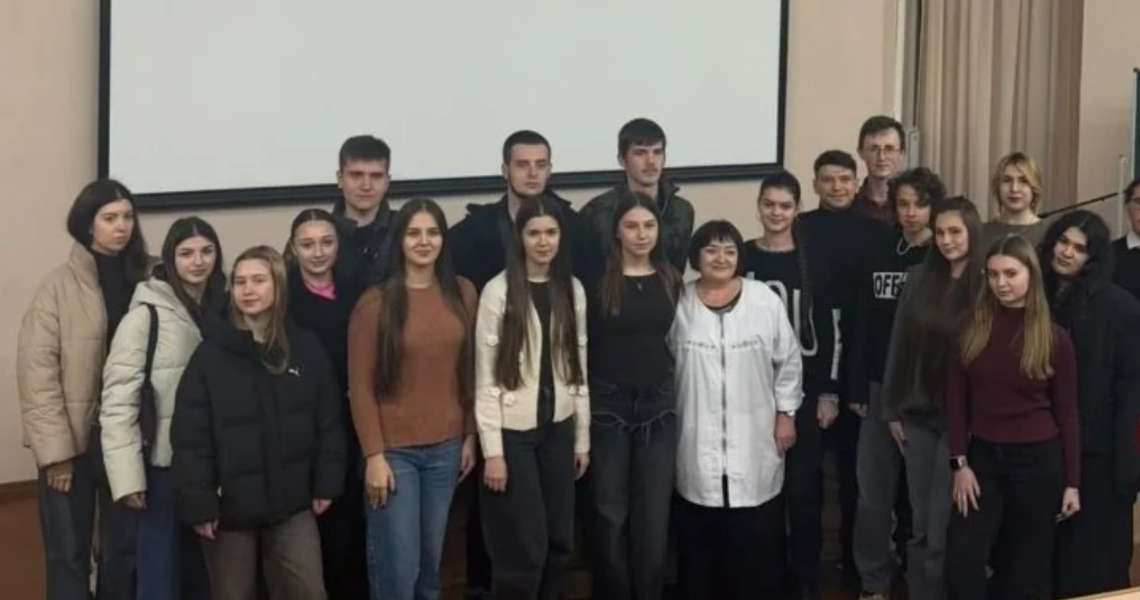
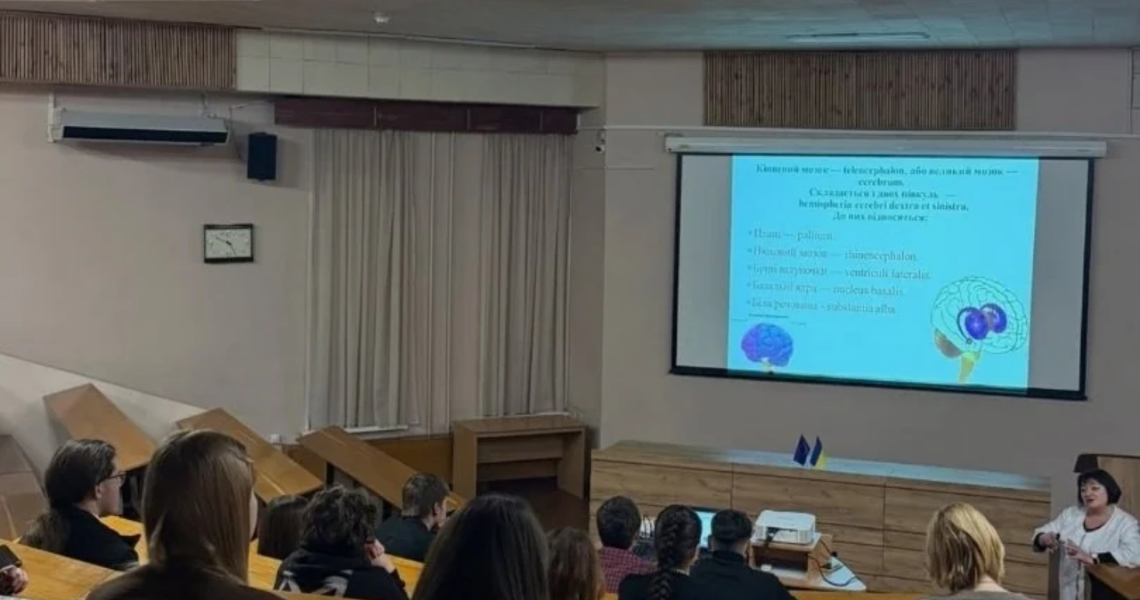
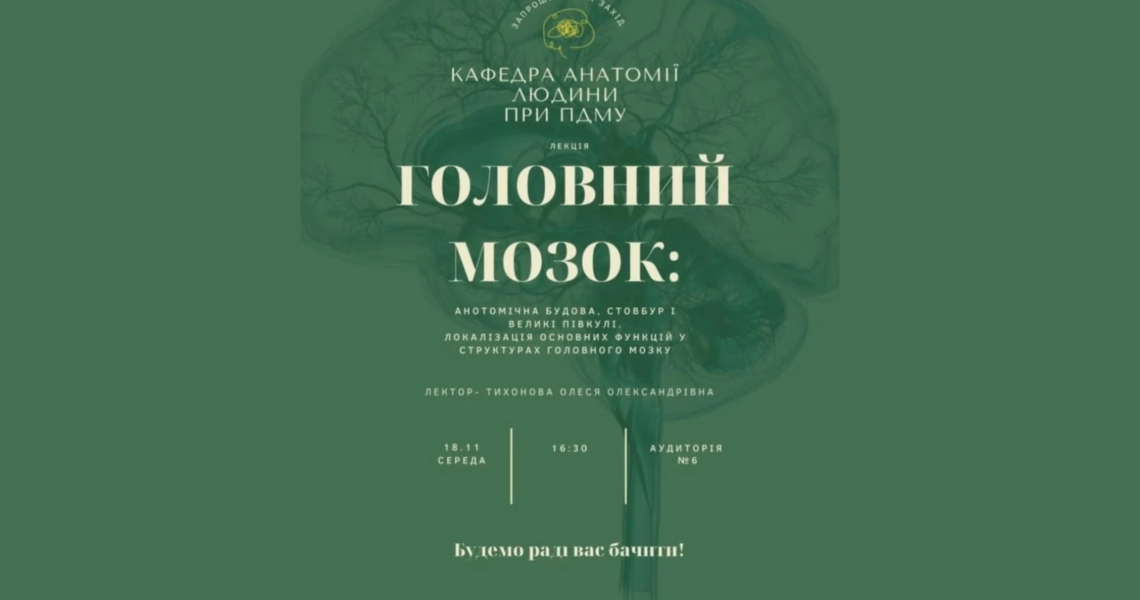
18 листопада 2026 року за ініціативи Студентського парламенту Полтавського державного медичного університету доцентка кафедри анатомії людини Олеся Тихонова провела тематичну лекцію «Головний мозок: анатомічна будова, стовбур головного мозку та великі півкулі. Локалізація основних функцій у корі головного мозку».
Захід відбувся в межах підготовки здобувачів вищої освіти до складання ліцензійного інтегрованого іспиту «Крок 1» та був спрямований на систематизацію й поглиблення знань із нейроанатомії.
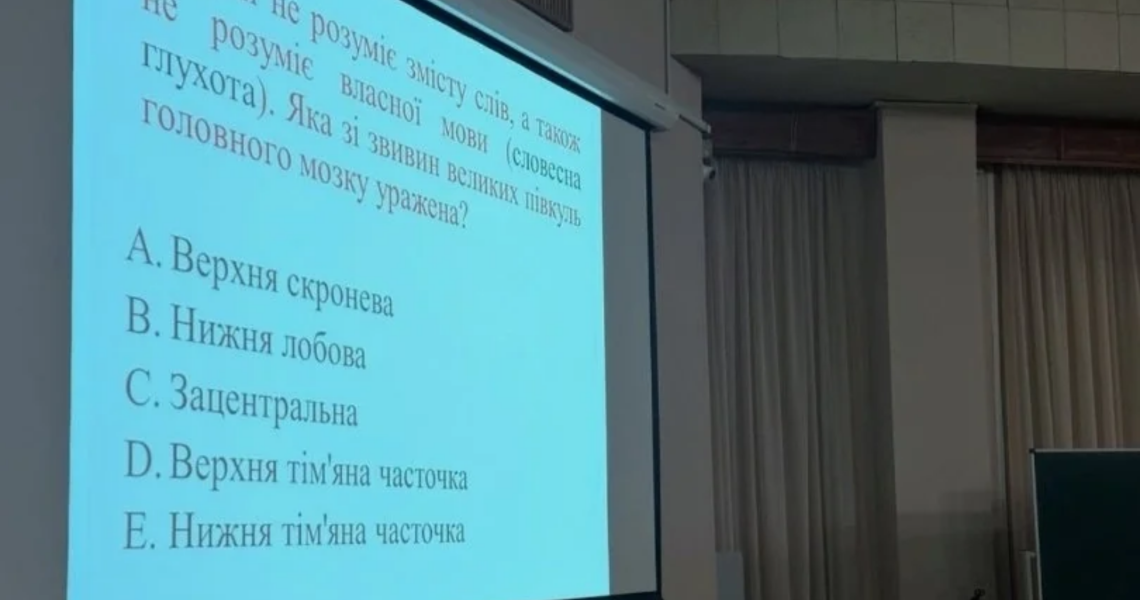
Під час лекції особливу увагу приділено структурно-функціональній організації головного мозку, анатомічним особливостям його стовбурових відділів, будові великих півкуль та кірковій локалізації основних рухових, чутливих і вищих нервових функцій.
Такі освітні ініціативи є важливою складовою співпраці студентського самоврядування та кафедри анатомії людини. Вони сприяють усвідомленому засвоєнню фундаментальних медичних знань, розвитку клінічного мислення та впевненій підготовці майбутніх лікарів до складання «Крок 1».
Пресслужба Полтавского державного медицинского университета
Preparing for the “Krok 1” Exam: PSMU Holds Lecture on Brain Anatomy
On 18 November 2026, at the initiative of the Student Parliament of Poltava State Medical University (PSMU), Olesia Tykhonova, Associate Professor at the Department of Human Anatomy, delivered a specialized lecture entitled “The Brain: Anatomical Structure, the Brainstem and Cerebral Hemispheres. Cortical Localization of Major Brain Functions”.
The event was organized as part of students’ preparation for the “Krok 1” Licensing Integrated Examination and aimed to systematize and deepen their knowledge of neuroanatomy.
The lecture focused particularly on the structural and functional organization of the brain, the anatomical features of its brainstem regions, the structure of the cerebral hemispheres, and the cortical localization of major motor, sensory and higher nervous functions.
Such educational initiatives are an important part of the collaboration between student self-government and the Department of Human Anatomy. They help students develop a deeper understanding of fundamental medical knowledge, strengthen their clinical thinking skills and prepare confidently for the “Krok 1” examination.