


Міжнародний день мікроорганізмів традиційно відзначають 17 вересня. Саме цього дня у 1683 році Антоні ван Левенгук надіслав лист до Лондонського королівського товариства з першим описом «невидимих живих істот», яких він побачив під саморобним мікроскопом.
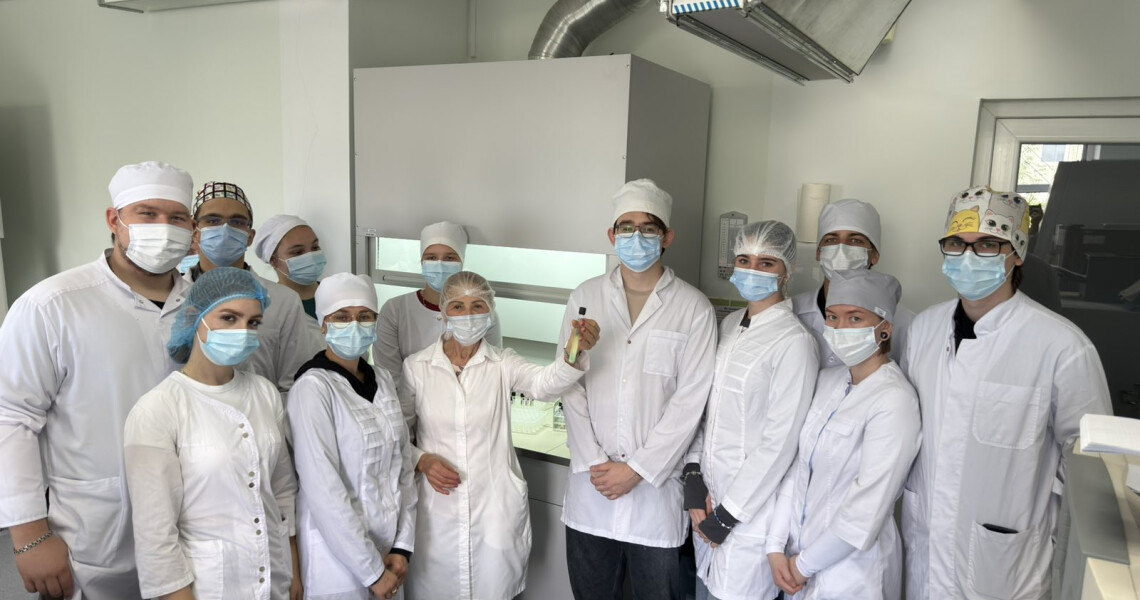
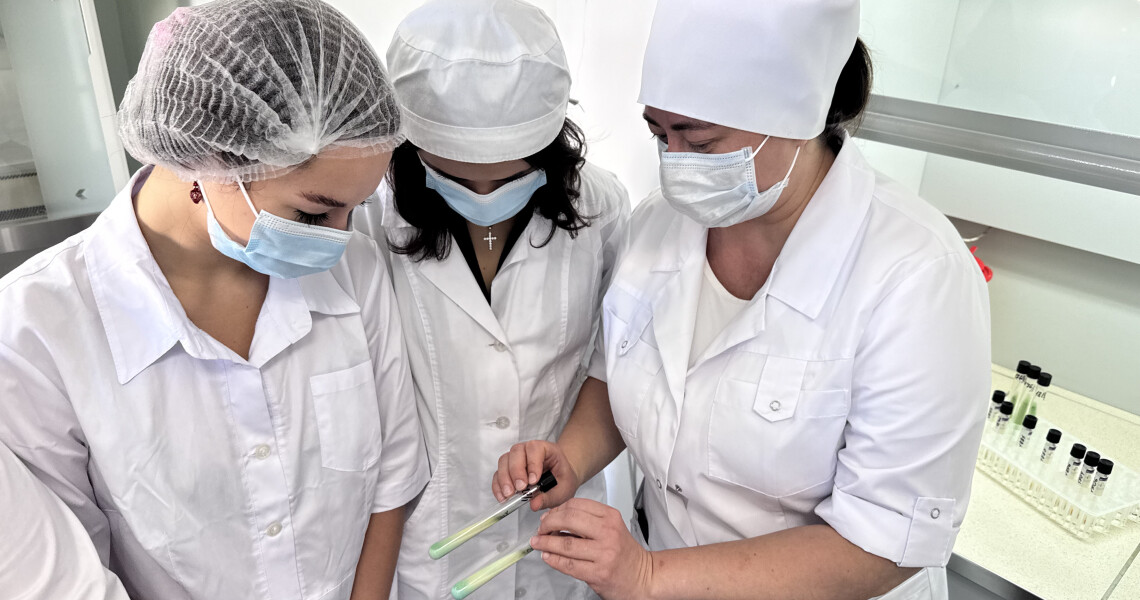
З нагоди цієї дати викладачі кафедри внутрішньої медицини № 3 з фтизіатрією ПДМУ Алла Вородюхіна та Марина Куліш провели інформаційно-виховний захід зі здобувачами освіти 5-ї та 16-ї груп 4 курсу медичного факультету. Його метою було привернути увагу до ролі мікроорганізмів у житті людини та природи.
Викладачі нагадали майбутнім лікарям, що не всі мікроорганізми є хвороботворними. Студенти активно взяли участь в обговоренні ролі мікроорганізмів у житті людини. Окрему увагу приділили корисному мікробіому кишечника, шкіри та слизових оболонок людини та його впливу на імунітет.
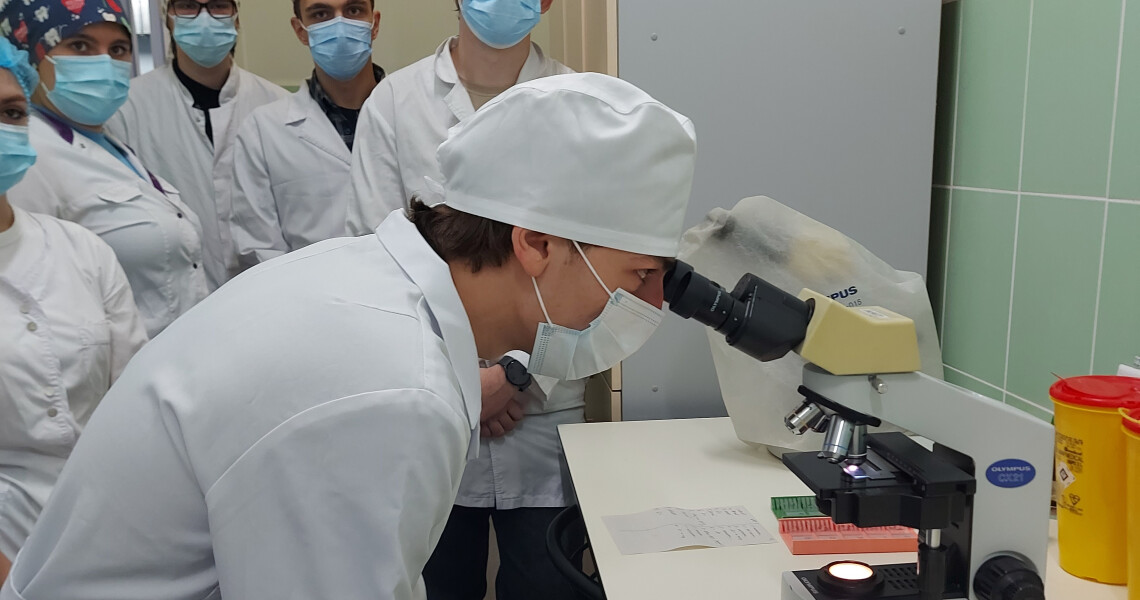
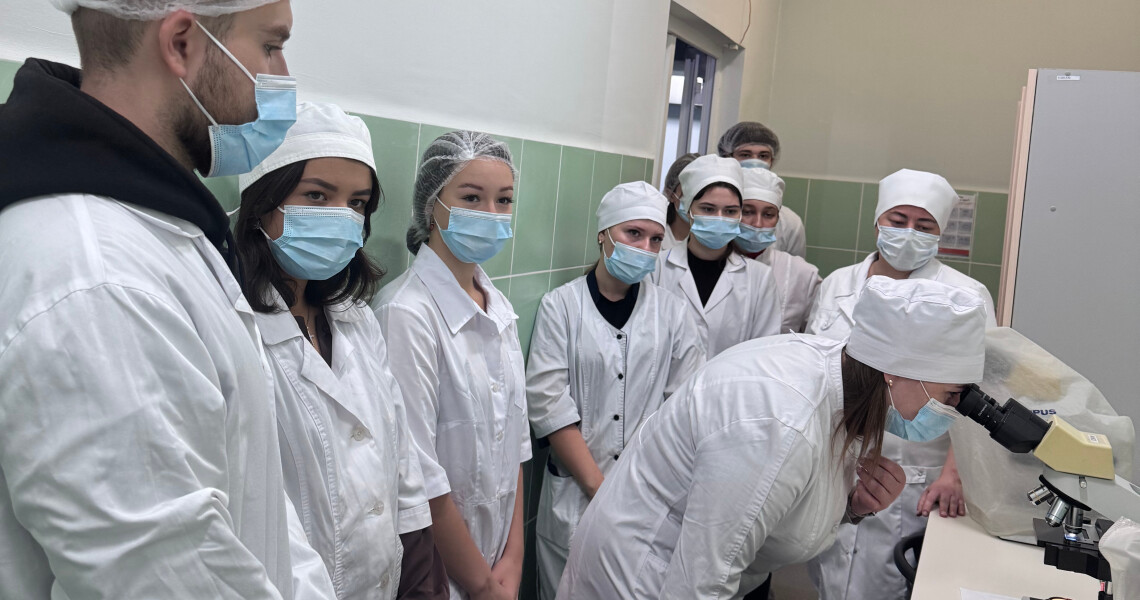
Співробітники кафедри наголосили на ключовій ролі лабораторної діагностики у сучасній практичній медицині та, зокрема, у фтизіатрії. Здобувачі освіти мали можливість поглибити свої теоретичні знання та ознайомитися з методами виявлення збудника туберкульозу і сучасним високотехнологічним обладнанням бактеріологічної лабораторії КП «Обласний клінічний медичний центр соціально небезпечних захворювань Полтавської обласної ради».
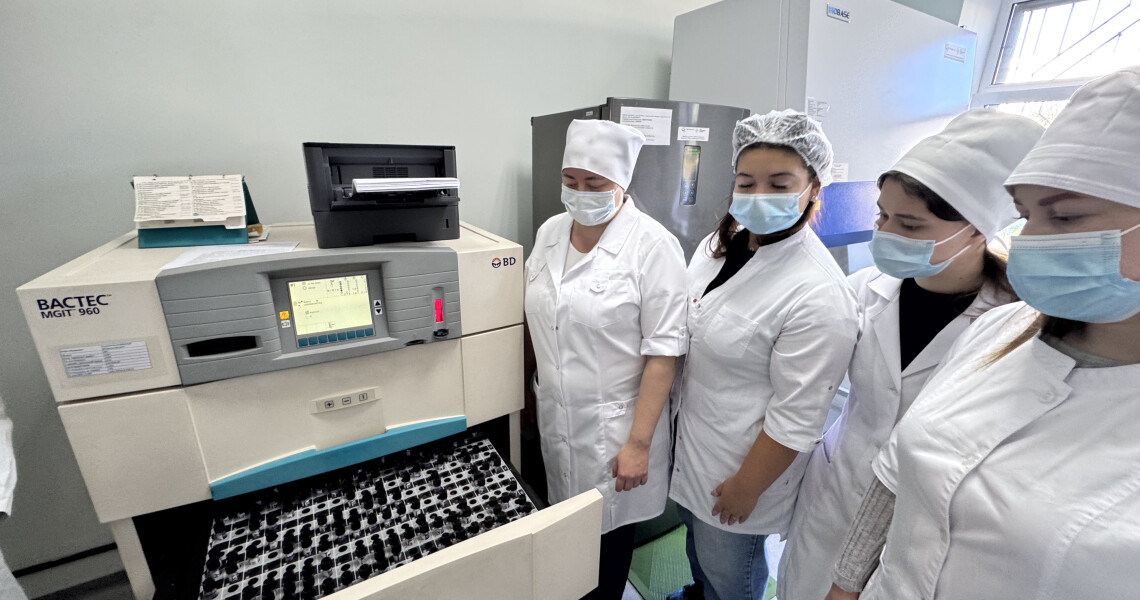
Майбутні лікарі побачили роботу системи швидкої ідентифікації ДНК мікобактерій (GeneXpert), яка дає змогу виявити збудника туберкульозу та його стійкість до рифампіцину за лічені години. Фахівці лабораторії продемонстрували принцип роботи аналізатора BACTEC MGIT 960, що дає змогу прискорити отримання результатів посіву, та детально пояснили здобувачам освіти вимоги до роботи з патологічним матеріалом і важливість засобів індивідуального захисту персоналу.
Захід не лише розширив теоретичні знання майбутніх фахівців, а й сприяв формуванню практичного розуміння важливості лабораторної ланки у клінічній фтизіатрії та посиленню професійної мотивації студентів до обраної медичної спеціальності.
Пресслужба Полтавского державного медицинского университета
The Role of Microorganisms in Human Life: PSMU Students Mark International Microorganism Day
International Microorganism Day is traditionally celebrated on 17 September. On this day in 1683, Antoni van Leeuwenhoek sent a letter to the Royal Society of London containing the first description of the “invisible living creatures” he had observed through a homemade microscope.
To mark the occasion, lecturers of the PSMU Department of Internal Medicine No. 3 with Phthisiology, Alla Vorodiukhina and Maryna Kulish, held an educational and awareness-raising event for the fourth-year students from Groups 5 and 16 of the Faculty of Medicine. The event aimed to draw attention to the role of microorganisms in human life and nature.
The lecturers reminded the future doctors that not all microorganisms are pathogenic. The students actively participated in a discussion on the role of microorganisms in human life. Particular attention was paid to the beneficial microbiome of the human intestine, skin, and mucous membranes and its impact on the immune system.
The Department’s staff emphasized the key role of laboratory diagnostics in modern clinical medicine, particularly in phthisiology. The students had an opportunity to deepen their theoretical knowledge and learn about methods for detecting the causative agent of tuberculosis, as well as modern high-tech equipment used in the bacteriological laboratory of the Regional Clinical Medical Centre for Socially Dangerous Diseases of the Poltava Regional Council.
The future doctors observed the operation of the GeneXpert rapid DNA identification system, which makes it possible to detect the causative agent of tuberculosis and determine its resistance to rifampicin within just a few hours. Laboratory specialists demonstrated how the BACTEC MGIT 960 analyzer works, enabling faster culture results, and explained in detail the requirements for handling pathological specimens and the importance of personal protective equipment for laboratory personnel.
The event not only expanded the future specialists’ theoretical knowledge but also contributed to their practical understanding of the importance of laboratory diagnostics in clinical phthisiology and strengthened their professional motivation to pursue their chosen medical specialty.