


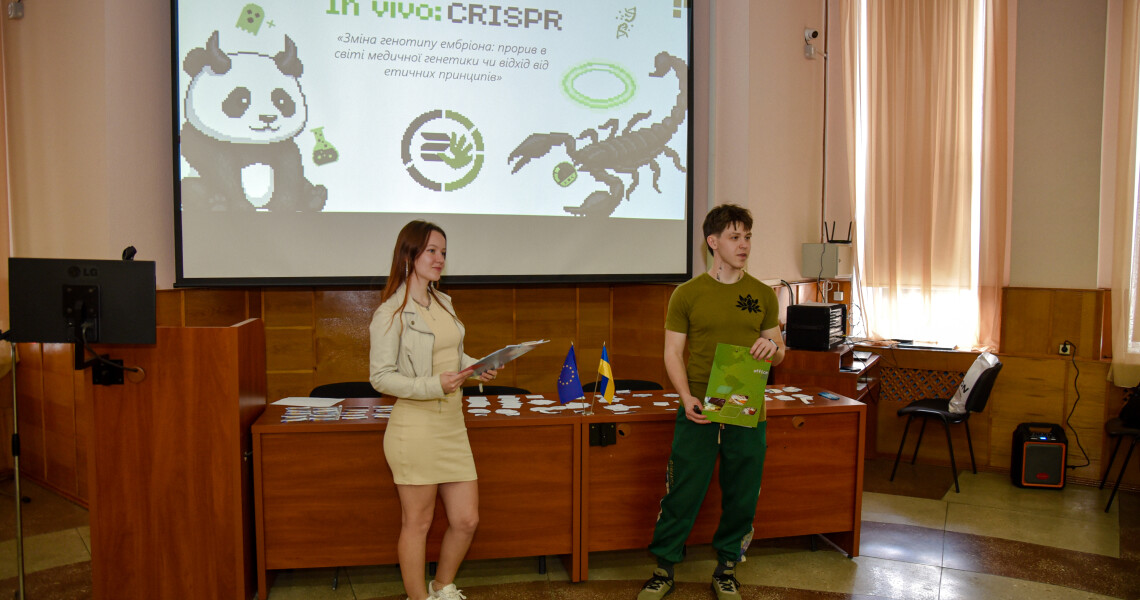
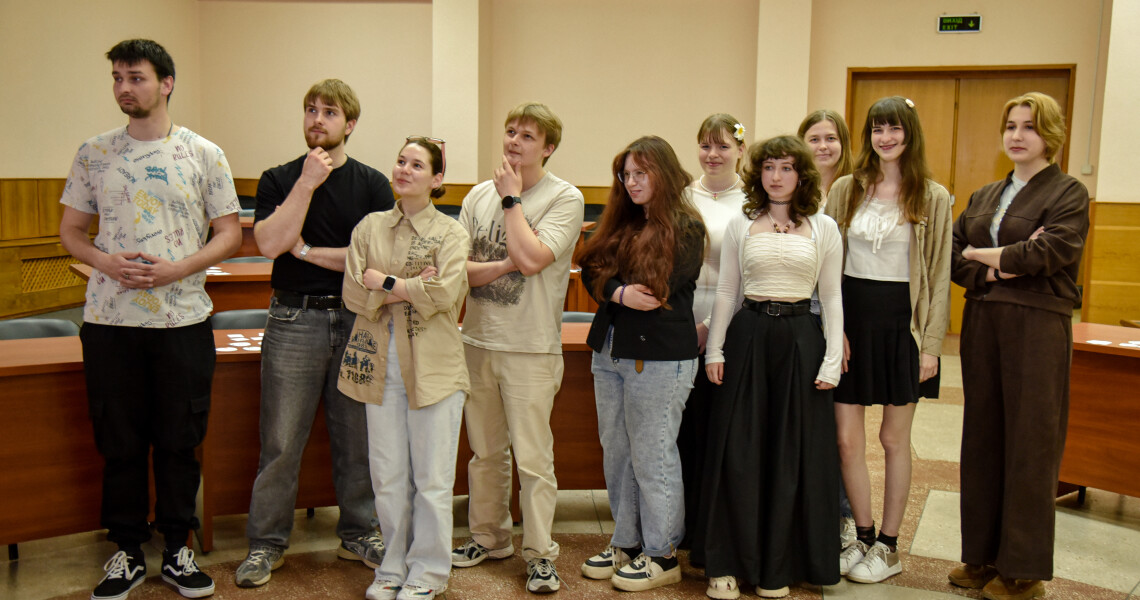
7 травня 2026 року в Полтавському державному медичному університеті відбувся інтерактивний освітній захід «In Vivo: CRISPR», організований членами локального представництва Української медичної студентської асоціації у місті Полтаві – комітетами SCOME (медична освіта) та SCORP (права людини та мир).
Тема заходу – «Зміна генотипу ембріона: прорив у світі медичної генетики чи відхід від етичних принципів?» – об’єднала студентів навколо однієї з найактуальніших і найдискусійніших проблем сучасної медицини та біоетики.
Захід розпочався з лекційної частини, під час якої учасники ознайомилися із сучасними методиками редагування геному ембріона, зокрема технологією CRISPR, можливими наслідками генетичних втручань, реальними випадками застосування таких методів, експериментальними дослідженнями та перспективами розвитку медичної генетики.
Представниця комітету SCOME (Радміла Чумакова) висвітлили науково-медичний аспект проблеми: технічні можливості генетичного втручання, потенційні ризики для здоров’я ембріона та можливі довгострокові наслідки.
Водночас представник комітету SCORP (Антон Кутімов) акцентував увагу на етичних і моральних дилемах, зокрема принципі «не нашкодь», автономії майбутнього життя, праві на генетичну недоторканність та можливих соціальних і психологічних наслідках розвитку подібних технологій.
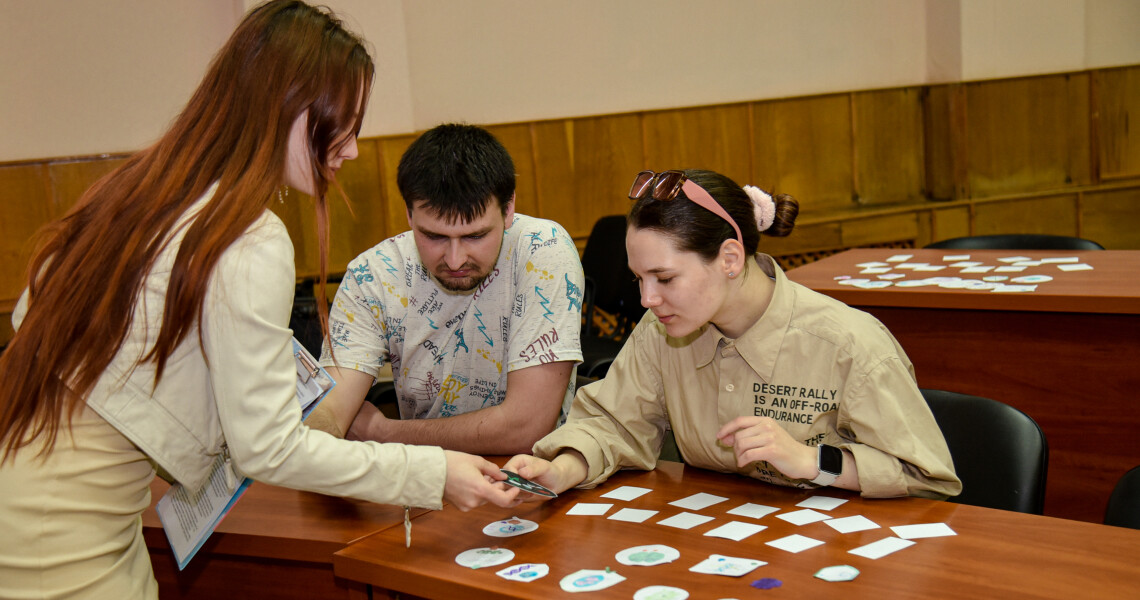
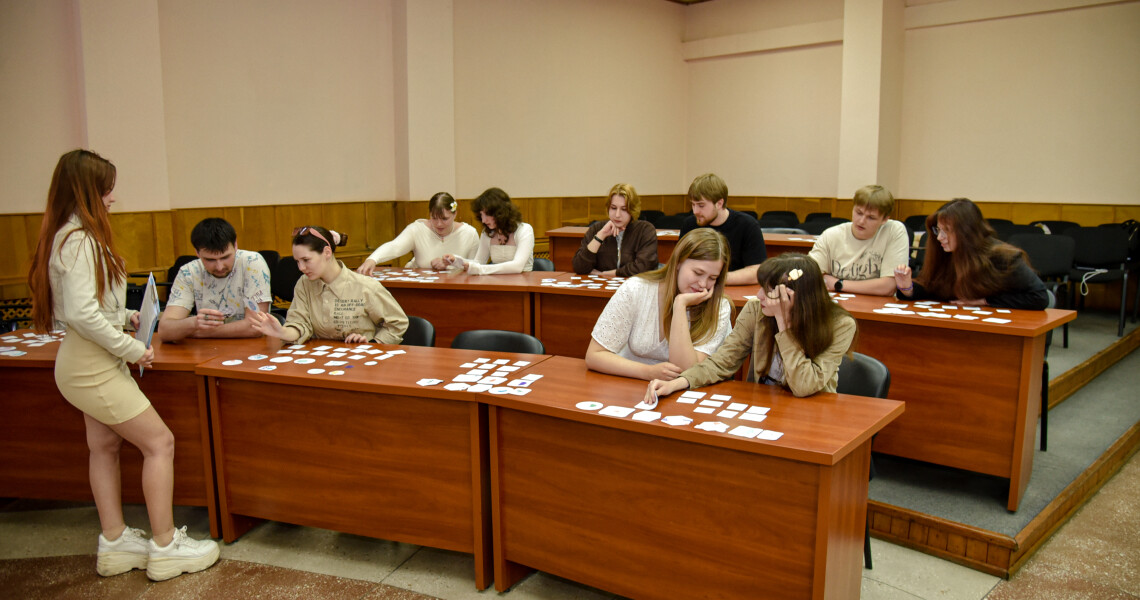
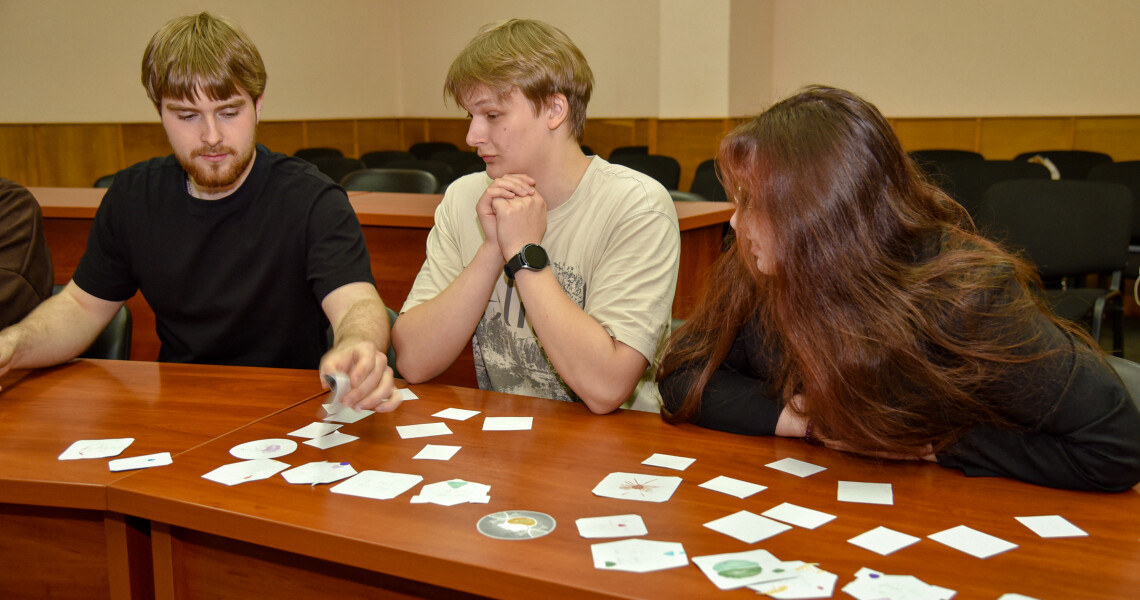
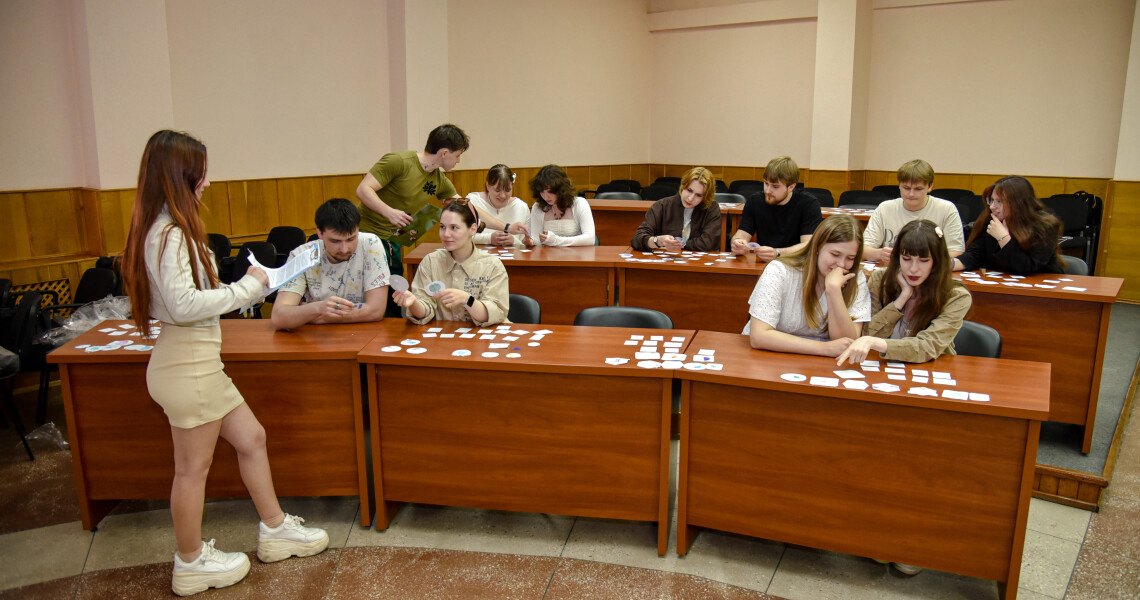
Після теоретичної частини учасники долучилися до інтерактивної симуляційної гри «Архітектори геному». У межах гри команди отримували ролі генетичного інженера, біоетика, юриста та журналіста, що дозволило комплексно оцінювати процес створення зміненого генотипу ембріона.
Протягом п’яти етапів розвитку ембріона учасники працювали з різними генетичними модифікаціями – інтелектуальними, фізичними, емоційними та медичними характеристиками. Додаткові події, які моделювали вірусні загрози, наукові прориви або суспільні скандали, впливали на перебіг гри та змушували команди адаптувати власні рішення. Генетичні інженери обґрунтовували наукову доцільність і ризики втручання, біоетики оцінювали моральні аспекти рішень, юристи аналізували їхню правову допустимість, а журналісти визначали суспільний вплив та репутаційні наслідки.
Наприкінці гри команди оцінювалися за кількома критеріями: рівнем генетичного прогресу, етичним балансом, соціальним впливом та відсотком ризику. Перемогу здобувала команда, якій вдалося досягти найкращого співвідношення між науковим результатом, безпечністю та етичністю рішень.
Завершився захід відкритим обговоренням результатів, під час якого учасники мали можливість поділитися власними думками, поставити запитання та обговорити межі допустимого втручання в людський геном.
«In Vivo: CRISPR» став не лише інтерактивним освітнім заходом, а й простором для формування критичного мислення, міждисциплінарної дискусії та глибшого розуміння взаємозв’язку між науковим прогресом, біоетикою та суспільством.
Пресслужба Полтавського державного медичного університету
Interactive Event “In Vivo: CRISPR”: PSMU Students Explored the Boundaries of Genetic Intervention
On May 7, 2026, Poltava State Medical University hosted the interactive educational event “In Vivo: CRISPR,” organized by members of the local branch of the Ukrainian Medical Students’ Association in Poltava, namely the SCOME Committee (medical education) and the SCORP Committee (human rights and peace).
The topic of the event — “Changing the Genotype of an Embryo: A Breakthrough in Medical Genetics or a Departure from Ethical Principles?” — brought students together to discuss one of the most relevant and controversial issues in modern medicine and bioethics.
The event began with a lecture session during which participants learned about modern methods of embryo genome editing, particularly CRISPR technology, the possible consequences of genetic interventions, real-life applications of such methods, experimental research, and future prospects for the development of medical genetics.
A representative of the SCOME Committee, Radmila Chumakova, highlighted the scientific and medical aspects of the issue, including the technical possibilities of genetic intervention, potential risks to embryo health, and possible long-term consequences.
At the same time, a representative of the SCORP Committee, Anton Kutimov, focused on ethical and moral dilemmas, particularly the principle of “do no harm,” the autonomy of future life, the right to genetic integrity, and the possible social and psychological consequences of the development of such technologies.
Following the theoretical part, participants joined the interactive simulation game “Architects of the Genome.” Within the game, teams assumed the roles of genetic engineers, bioethicists, lawyers, and journalists, allowing them to comprehensively evaluate the process of creating a modified embryo genotype.
Throughout five stages of embryo development, participants worked with various genetic modifications involving intellectual, physical, emotional, and medical characteristics. Additional events simulating viral threats, scientific breakthroughs, or public scandals influenced the course of the game and forced teams to adapt their decisions. Genetic engineers justified the scientific feasibility and risks of interventions, bioethicists evaluated the moral aspects of decisions, lawyers analyzed their legal permissibility, and journalists assessed social impact and reputational consequences.
At the end of the game, teams were evaluated according to several criteria: the level of genetic progress, ethical balance, social impact, and risk percentage. Victory was awarded to the team that achieved the best balance between scientific results, safety, and ethical decision-making.
The event concluded with an open discussion of the results, during which participants had the opportunity to share their views, ask questions, and discuss the boundaries of acceptable intervention in the human genome.
“In Vivo: CRISPR” became not only an interactive educational event, but also a platform for developing critical thinking, interdisciplinary discussion, and a deeper understanding of the relationship between scientific progress, bioethics, and society.