


Усі знають, що вишиванка – це не просто елемент гардероба, а справжня генетична матриця нашої культури.
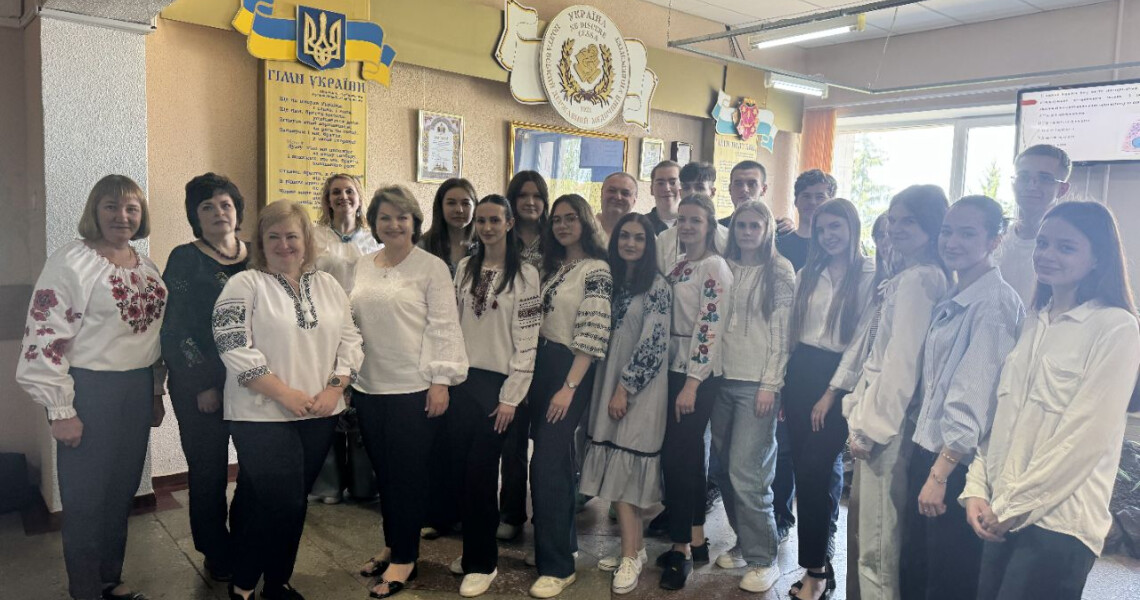
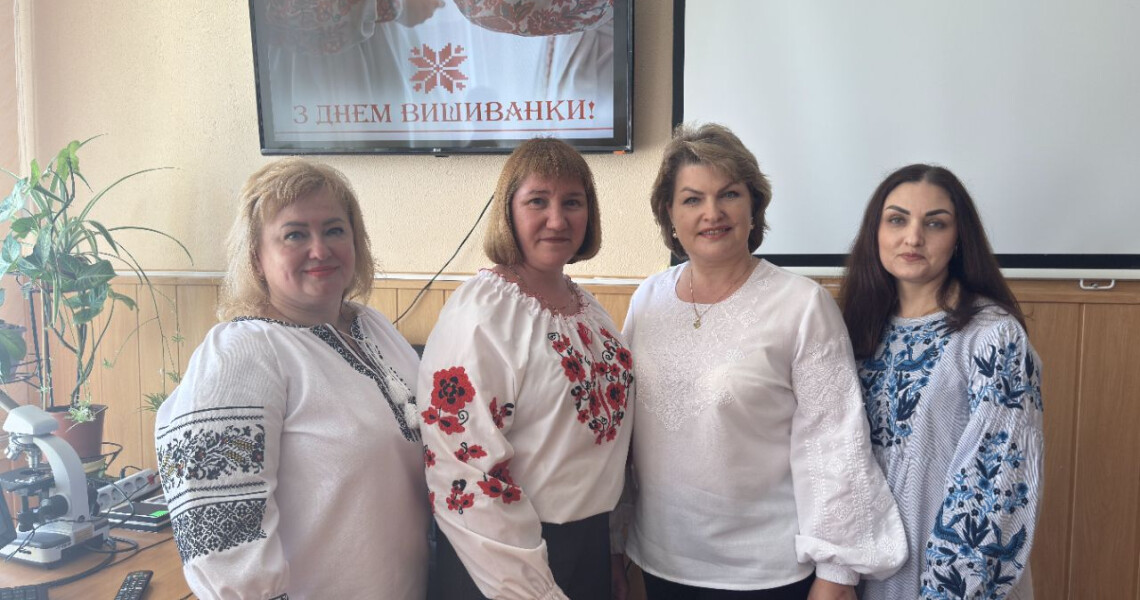
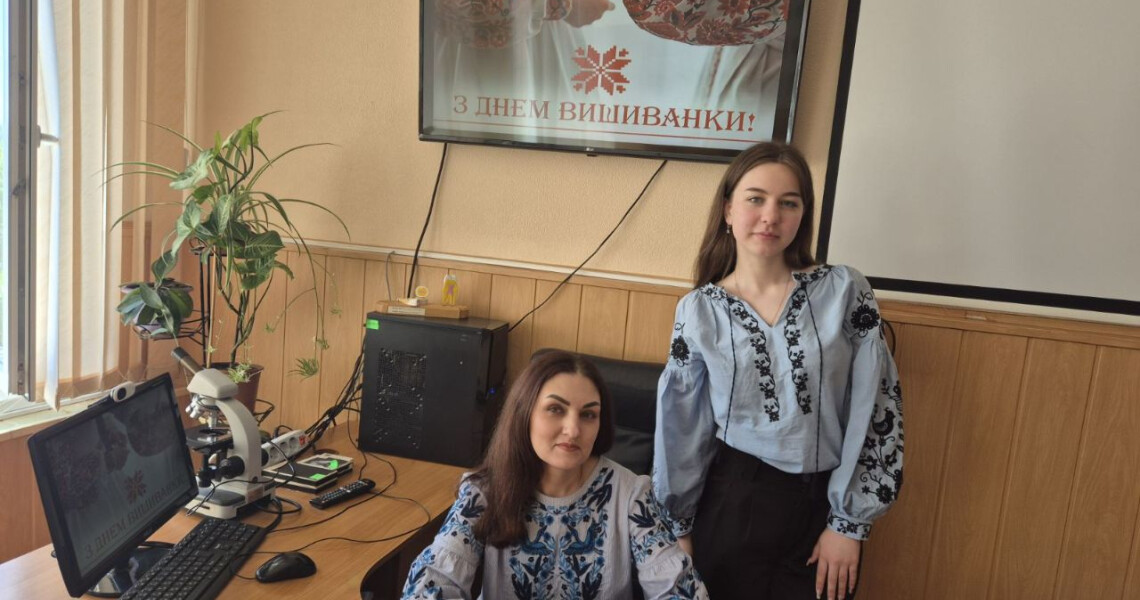
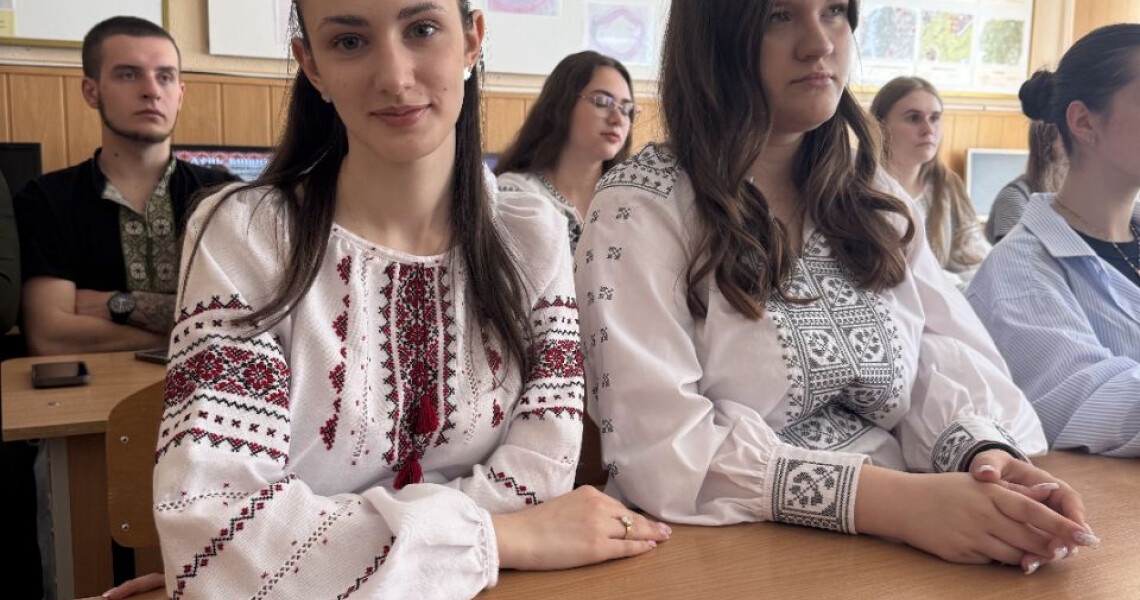
З нагоди Всесвітнього дня вишиванки викладачі двох, здавалося б, абсолютно різних світів – кафедри гістології, цитології та ембріології та кафедри філософії та суспільних наук – об’єднали свої зусилля, щоб провести захопливий бінарний виховний захід для здобувачів освіти ОПП «Медицина» та ОПП «Стоматологія».
Як поєднати сувору біологічну точність мікросвіту з глибинними сенсами українського буття, філософії та традицій? Цікаві факти про вишиванку дають відповідь на це питання:
- Гістологія у стібках: якщо придивитися до традиційних орнаментів під «філософсько-біологічним мікроскопом», можна помітити дивовижну схожість: ромби, спіралі та кола у вишивці символізують циклічність життя та структури клітин і ДНК, які ми вивчаємо на гістології.
- Перший «модний блогер»: видатний український письменник Іван Франко став одним із перших, хто поєднав вишиту сорочку з європейським костюмом (піджаком), започаткувавши тренд, який ми з гордістю підтримуємо й сьогодні.
- Броня та оберіг: у давнину вишивка ніколи не створювалася «просто для краси». Кожен колір і кожен стібок мали сакральне значення. Для майбутніх медиків це особливо відгукується, адже вишиванка – це ніби психологічний і духовний імунітет, що захищав від усього лихого.
- Унікальний літопис: кожен регіон України має свій неповторний код вишивки. Це як фенотип у генетиці – прояв унікальних ознак залежно від умов середовища.
Філософська мудрість свята: День вишиванки вчить нас, що краса і здоров’я душі починаються з поваги до свого коріння. А для майбутніх лікарів розуміння культури свого народу – це ключ до серця кожного пацієнта.
Пресслужба Полтавського державного медичного університету
“The Code of a Nation that Unites Generations and Sciences”: A Binary Educational Event Dedicated to Vyshyvanka Day Was Held at PSMU
Everyone knows that the vyshyvanka is not merely an element of clothing, but a true genetic matrix of Ukrainian culture.
On the occasion of World Vyshyvanka Day, lecturers from two seemingly completely different worlds — the Department of Histology, Cytology and Embryology and the Department of Philosophy and Social Sciences — joined efforts to hold an engaging binary educational event for students of the educational programs “Medicine” and “Dentistry” at Poltava State Medical University.
How can the strict biological precision of the microworld be combined with the profound meanings of Ukrainian existence, philosophy, and traditions? Interesting facts about the vyshyvanka provide the answer:
Histology in stitches: If we look at traditional ornaments through a “philosophical-biological microscope,” we can notice astonishing similarities: diamonds, spirals, and circles in embroidery symbolize the cyclical nature of life as well as the structures of cells and DNA studied in histology.
The first “fashion blogger”: Outstanding Ukrainian writer Ivan Franko was among the first to combine an embroidered shirt with a European-style suit jacket, creating a trend that Ukrainians proudly continue to support today.
Armor and talisman: In ancient times, embroidery was never created “simply for beauty.” Every color and every stitch carried sacred meaning. For future medical professionals, this resonates especially deeply, as the vyshyvanka can be seen as a form of psychological and spiritual immunity protecting a person from evil.
A unique chronicle: Every region of Ukraine has its own distinctive embroidery code. This resembles the concept of phenotype in genetics — the manifestation of unique traits depending on environmental conditions.
The philosophical wisdom of the celebration: Vyshyvanka Day teaches us that beauty and the health of the soul begin with respect for one’s roots. For future doctors, understanding the culture of their people is the key to reaching the heart of every patient.