


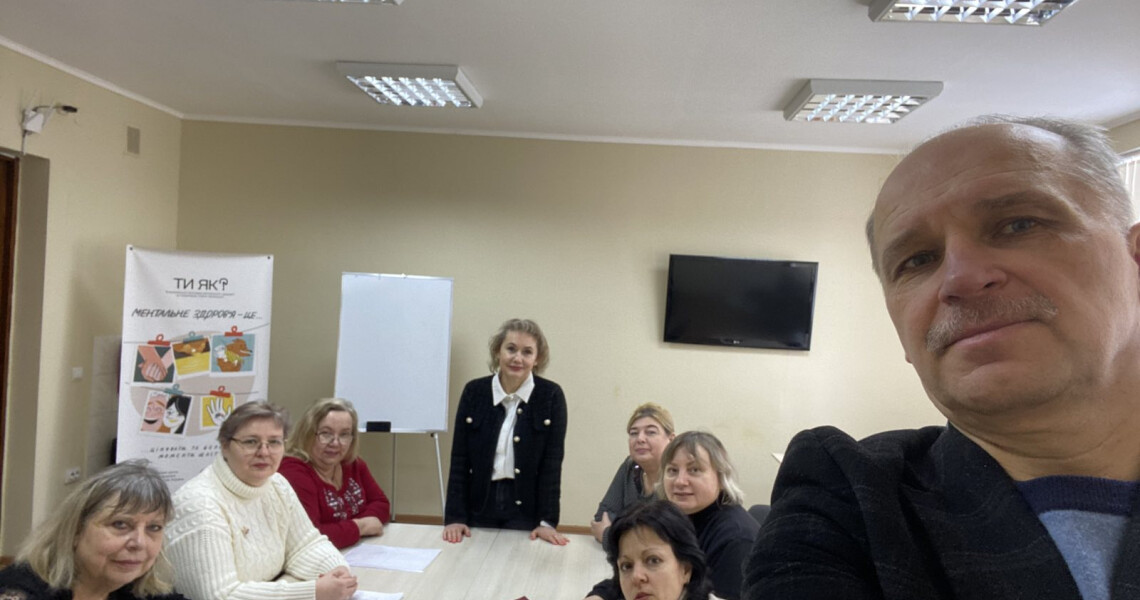
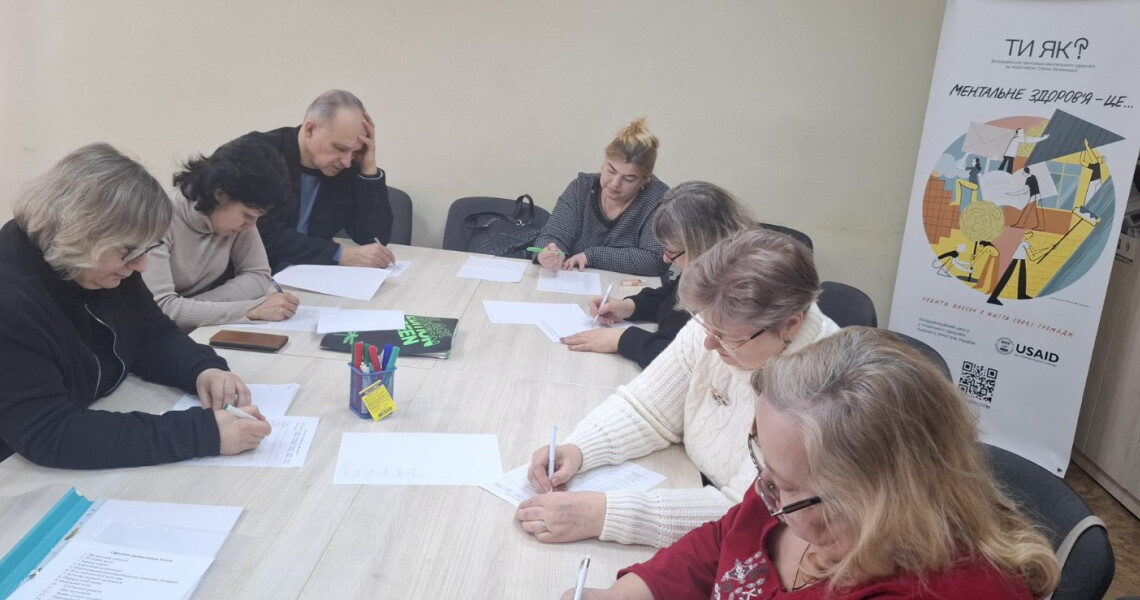
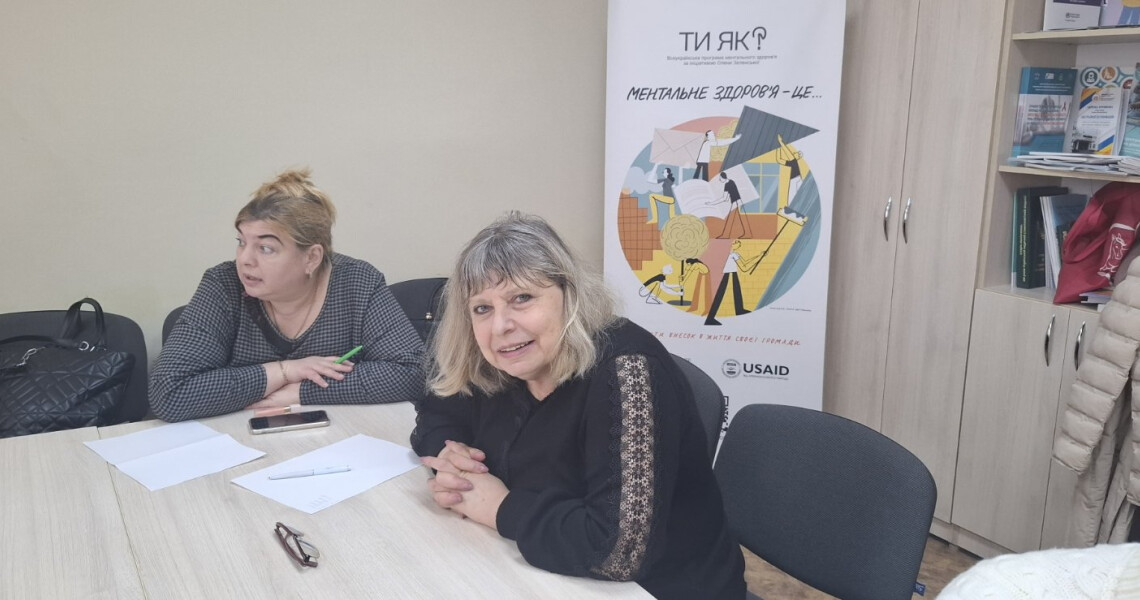
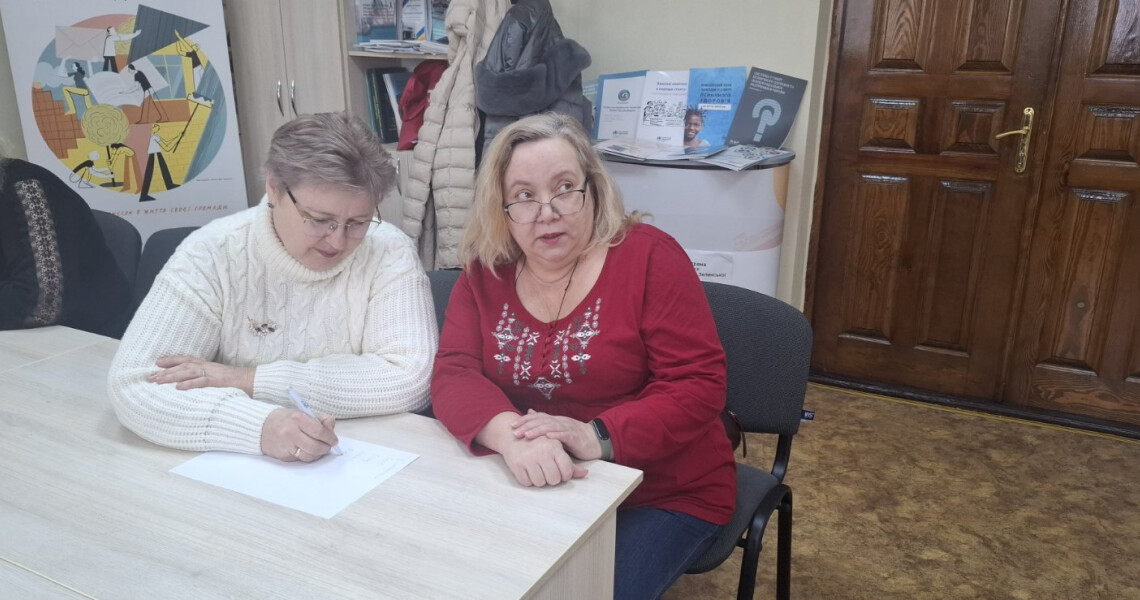
У межах системної роботи з підтримки ментального здоров’я академічної спільноти в Навчально-науковому центрі ментального здоров’я відбулася професійна зустріч зі співробітниками кафедри педіатрії №1 із неонатологією ПДМУ за участю практичного психолога ФМФК Тетяни Климач. Захід було присвячено питанням ненасильницької поведінки, подолання стереотипів мислення та зміцнення командної згуртованості.
Під час зустрічі обговорено психологічні аспекти професійної комунікації в умовах підвищеного емоційного навантаження, характерного для медичної освіти й клінічної практики. Особливу увагу приділено впливу стереотипів на процес прийняття рішень, взаємодію зі студентами та колегами, а також профілактиці професійного вигорання.
Учасники опрацювали практичні інструменти ненасильницької комунікації, що сприяють:
- зниженню рівня напруження в колективі;
- формуванню атмосфери довіри та взаємопідтримки;
- підвищенню психологічної безпеки в освітньому середовищі;
- збереженню особистісного ресурсу викладача.
Інтерактивний формат зустрічі дозволив не лише актуалізувати теоретичні знання, а й здійснити професійну рефлексію власного стилю професійної взаємодії.
Підтримка ментального здоров’я викладачів є важливою складовою забезпечення якості освітнього процесу, адже саме емоційна стабільність, культура діалогу та взаємоповага формують безпечний простір для професійного становлення майбутніх лікарів.
Захід проведений у межах реалізації Всеукраїнської програми ментального здоров’я «Ти як?», що впроваджується за ініціативою першої леді Олени Зеленської.
Пресслужба Полтавського державного медичного університету
Mental Health and the Culture of Nonviolent Interaction: A Meeting with the Faculty of the Department of Pediatrics No. 1 with Neonatology
As part of the activities to support the mental health of the academic community, a professional meeting was held at the Mental Health Education and Research Center with staff members of the Department of Pediatrics No. 1 with Neonatology of PSMU, with the participation of practical psychologist Tetiana Klymach. The event was dedicated to issues of nonviolent behavior, overcoming thinking stereotypes, and strengthening team cohesion.
During the meeting, participants discussed the psychological aspects of professional communication under conditions of increased emotional strain, which are characteristic of medical education and clinical practice. Special attention was given to the impact of stereotypes on decision-making processes, interaction with students and colleagues, as well as the prevention of professional burnout.
Participants worked through practical tools of nonviolent communication aimed at:
reducing tension within the team;
fostering an atmosphere of trust and mutual support;
enhancing psychological safety in the educational environment;
preserving the personal resources of faculty members.
The interactive format of the meeting made it possible not only to reinforce theoretical knowledge but also to engage in professional reflection on one’s own style of professional interaction.
Supporting the mental health of faculty members is an important component of ensuring the quality of the educational process, as emotional stability, a culture of dialogue, and mutual respect create a safe environment for the professional development of prospective physicians.
The event was conducted within the framework of the National Mental Health Program “How Are You?”, implemented at the initiative of First Lady Olena Zelenska.