


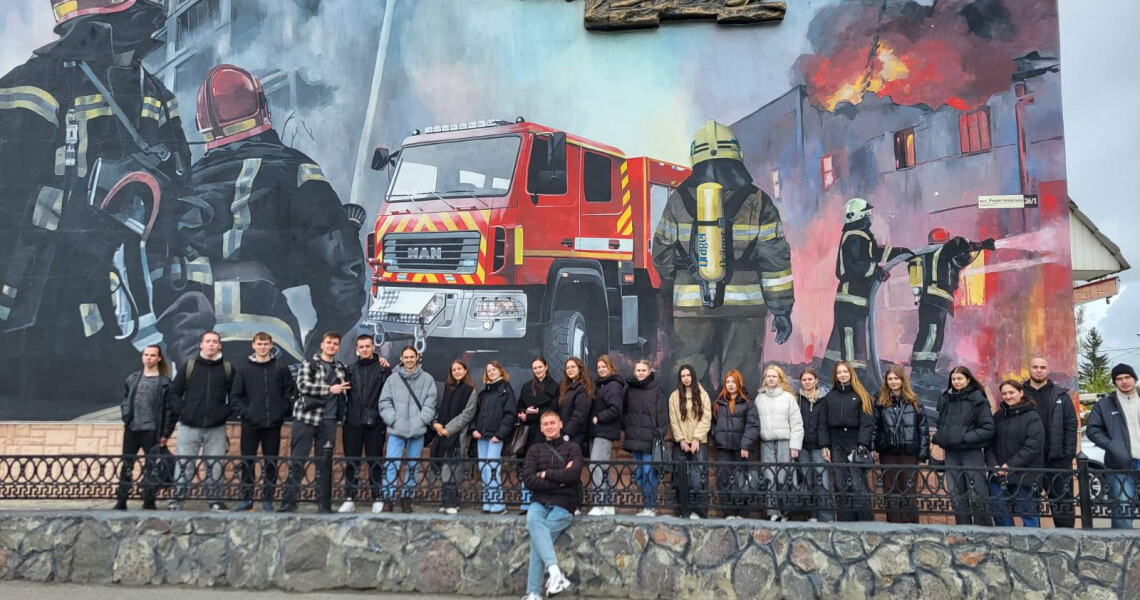
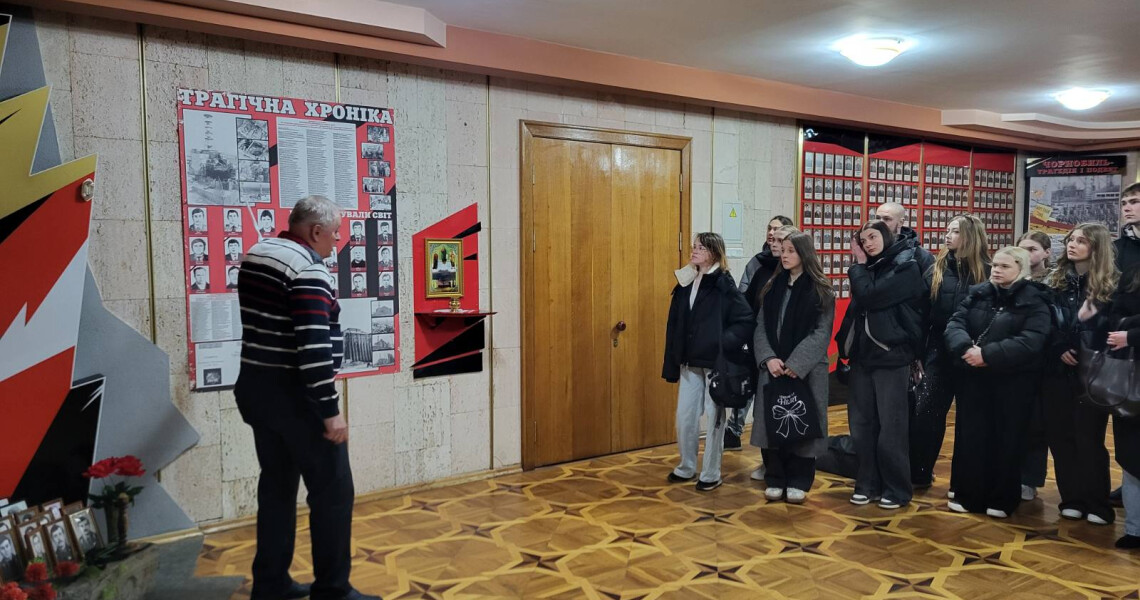
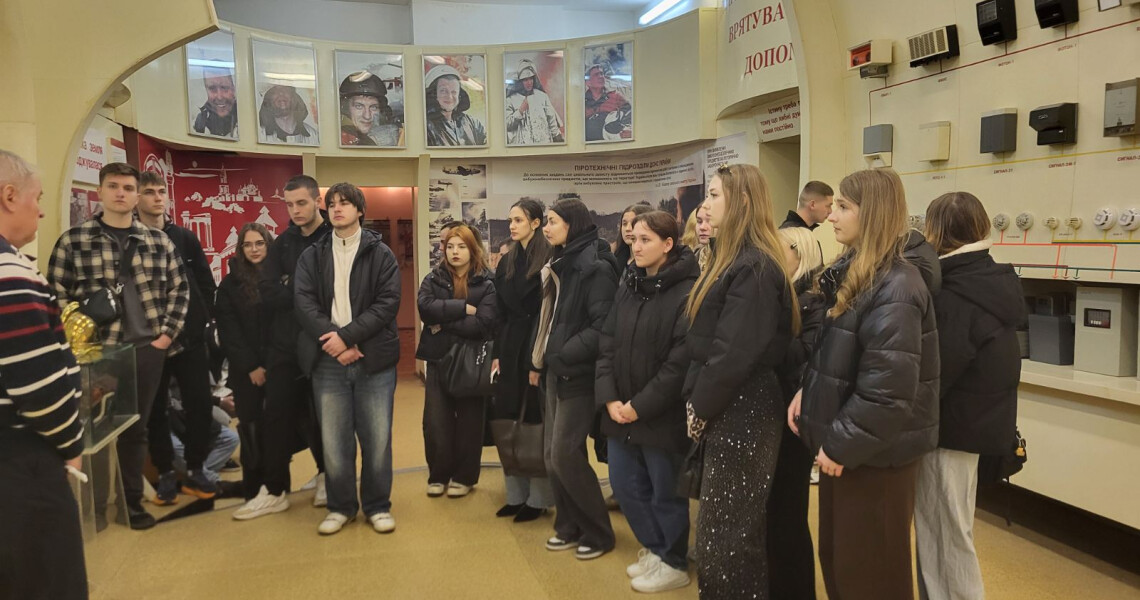
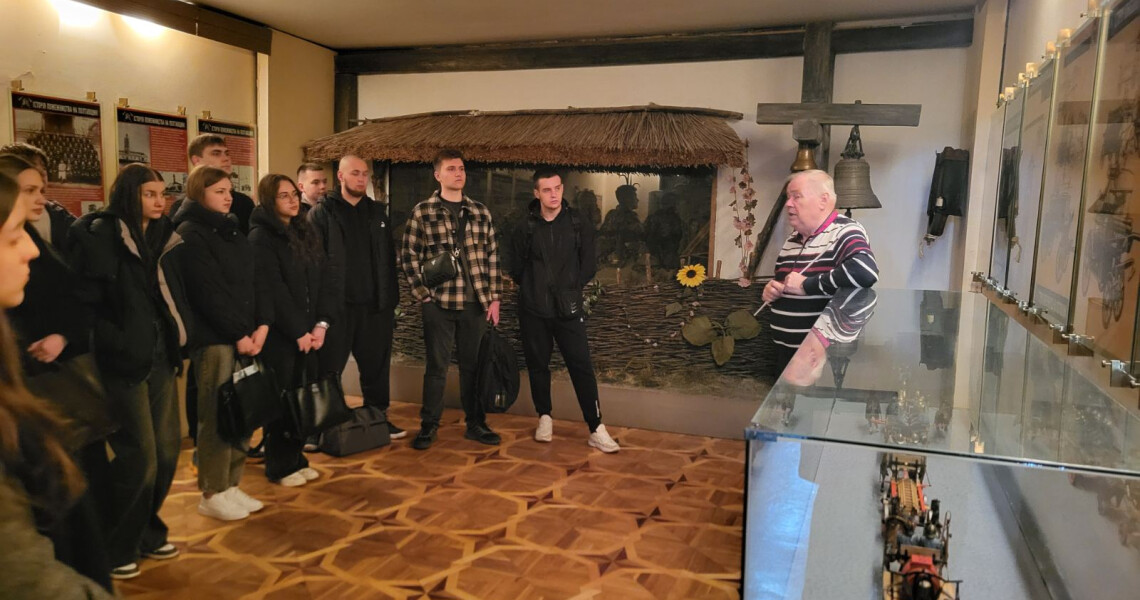
27 квітня 2026 р. за ініціативи в.о. завідувача кафедри філософії та суспільних наук ПДМУ Вікторії Каюн та доцента Наталії Зінченко, здобувачі освіти ОПП «Медицина» та «Медсестринство» здійснили пізнавальний візит до музею історії пожежної охорони Полтавщини при Головному управлінні ДСНС України у Полтавській області.
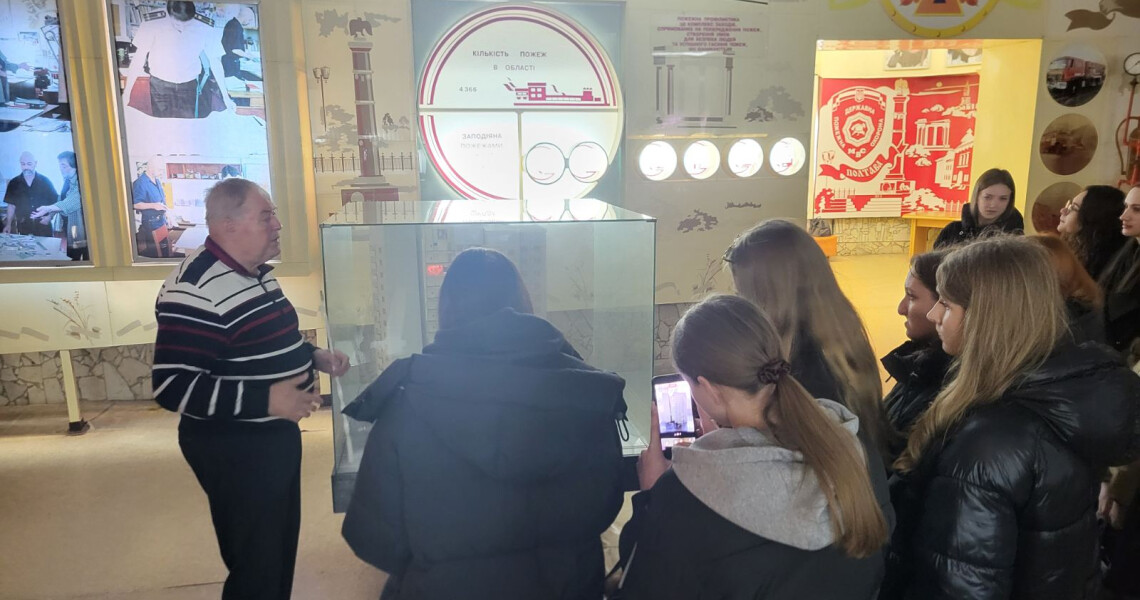
Ця поїздка стала не просто екскурсією, а справжнім зануренням у світ мужності та самовідданості. Студенти відкрили для себе історію становлення пожежно-рятувальної служби, дізналися про щоденні виклики, з якими стикаються рятувальники, та ознайомилися з сучасною технікою, що допомагає долати наслідки надзвичайних ситуацій.
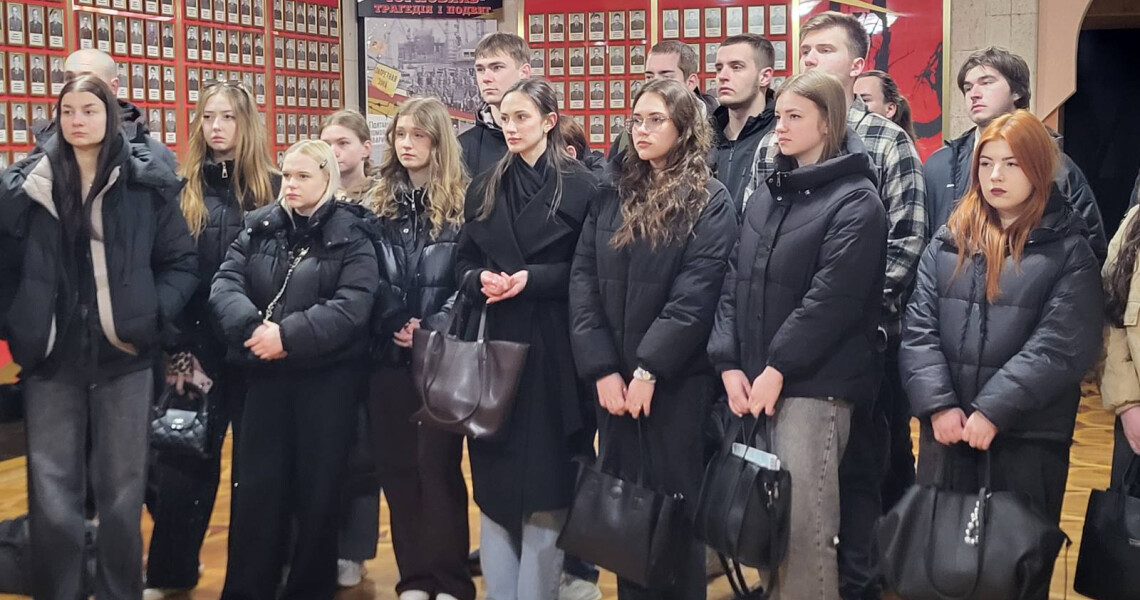
Особливе місце в експозиції займає пам’ять про ліквідаторів Чорнобильської аварії – людей, чий подвиг назавжди залишиться символом героїзму та самопожертви. Майбутні медики змогли глибше усвідомити складність роботи в умовах радіаційного ураження, а також значення професійної підготовки у ситуаціях, де ціна помилки – людське життя.
Відвідування музею стало важливою частиною освітнього процесу, адже дозволило не лише розширити фахові знання, а й сформувати ціннісне розуміння професії лікаря – як покликання рятувати, допомагати та діяти навіть у найскладніших обставинах.
Пресслужба Полтавського державного медичного університету
Memory That Saves: Future Doctors Reflect on the Lessons of Chornobyl and the Work of the State Emergency Service in Poltava Region
On April 27, 2026, at the initiative of Acting Head of the Department of Philosophy and Social Sciences at PSMU Viktoriia Kaiun and Associate Professor Nataliia Zinchenko, students of the “Medicine” and “Nursing” educational programs paid an educational visit to the Museum of the History of Fire Protection of the Poltava Region at the Main Directorate of the State Emergency Service of Ukraine in the Poltava Region.
This trip became more than just an экскурсия—it was a true immersion into a world of courage and dedication. The students discovered the history of the development of the fire and rescue service, learned about the daily challenges faced by rescuers, and explored modern equipment used to respond to emergencies.
A special place in the exhibition is dedicated to the memory of the liquidators of the Chornobyl disaster—individuals whose feat remains an enduring symbol of heroism and self-sacrifice. Future medical professionals gained a deeper understanding of the complexity of working under radiation exposure, as well as the importance of professional training in situations where the cost of a mistake is human life.
The museum visit became an important part of the educational process, as it not only expanded professional knowledge but also helped shape a value-based understanding of the medical profession—as a calling to save lives, provide help, and act even in the most challenging circumstances.