


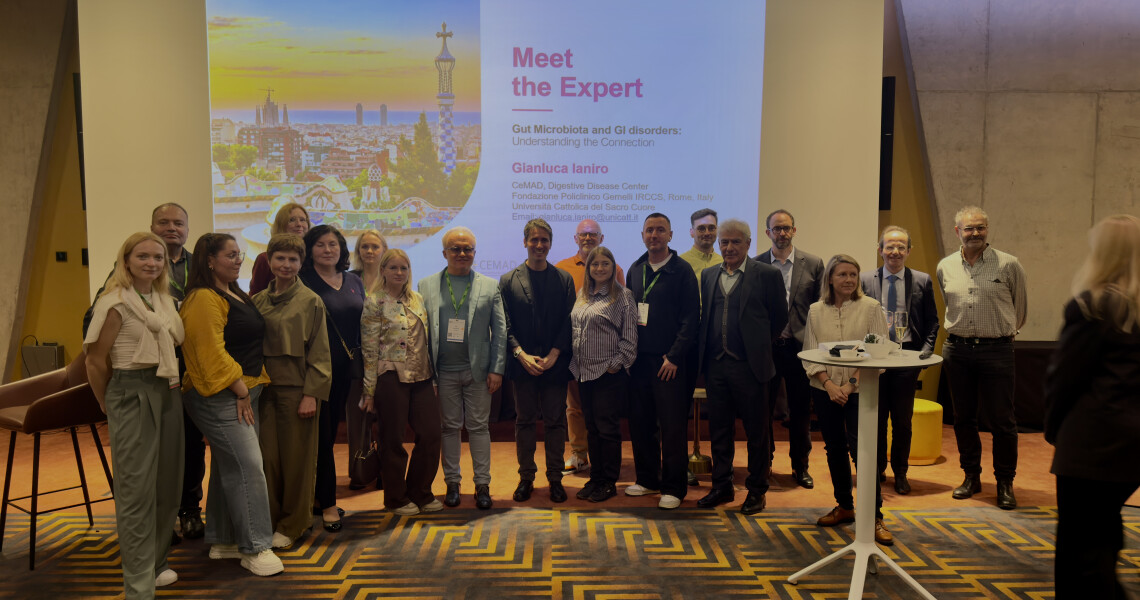
З 17 до 20 жовтня 2026 року в Барселоні (Королівство Іспанія) відбувся 34-й Об’єднаний Європейський гастроентерологічний тиждень (UEG Week 2026) – один із масштабних наукових конгресів року.
У роботі конгресу взяли участь 14 147 осіб зі 122 країн світу, з них 9 % долучилися у віртуальному форматі. Найбільшу частку учасників становили представники європейських країн – 61,55 %. Також були представлені Азія (17,45 %), Північна Америка (11,7 %), Латинська Америка та країни Карибського басейну (4,28 %), Африка (3,56 %) й Австралія (1,46 %). За кількістю учасників серед окремих країн лідирували Італія (818 осіб), Велика Британія (711), Німеччина (642), США (639) та Іспанія (603).
Традиційно в перший і другий дні конгресу відбувався курс післядипломної освіти, на який зареєструвалися 5 878 учасників.
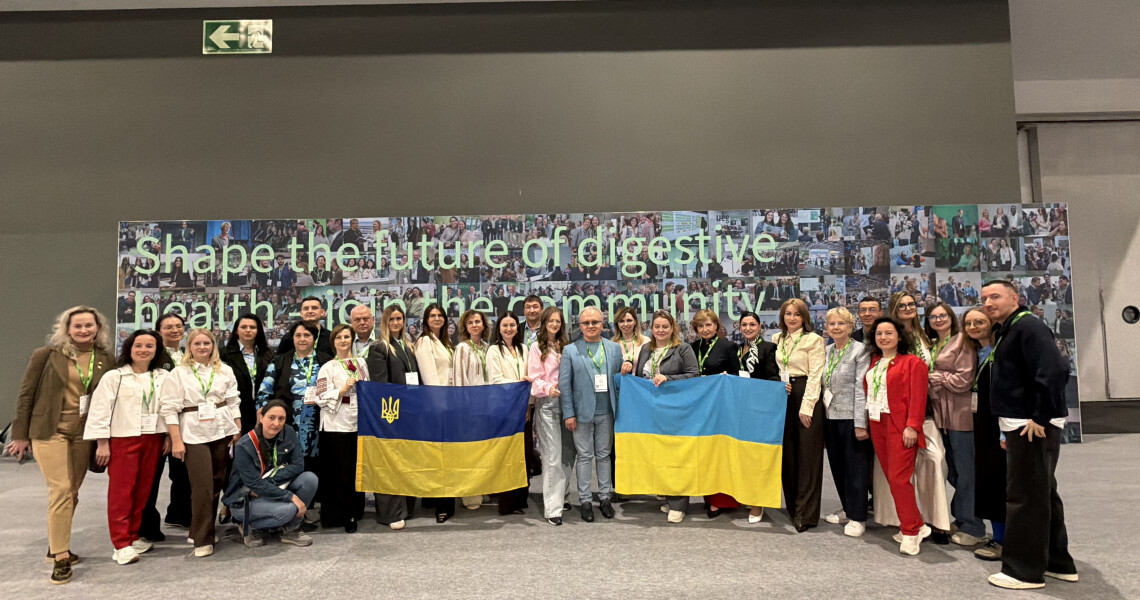
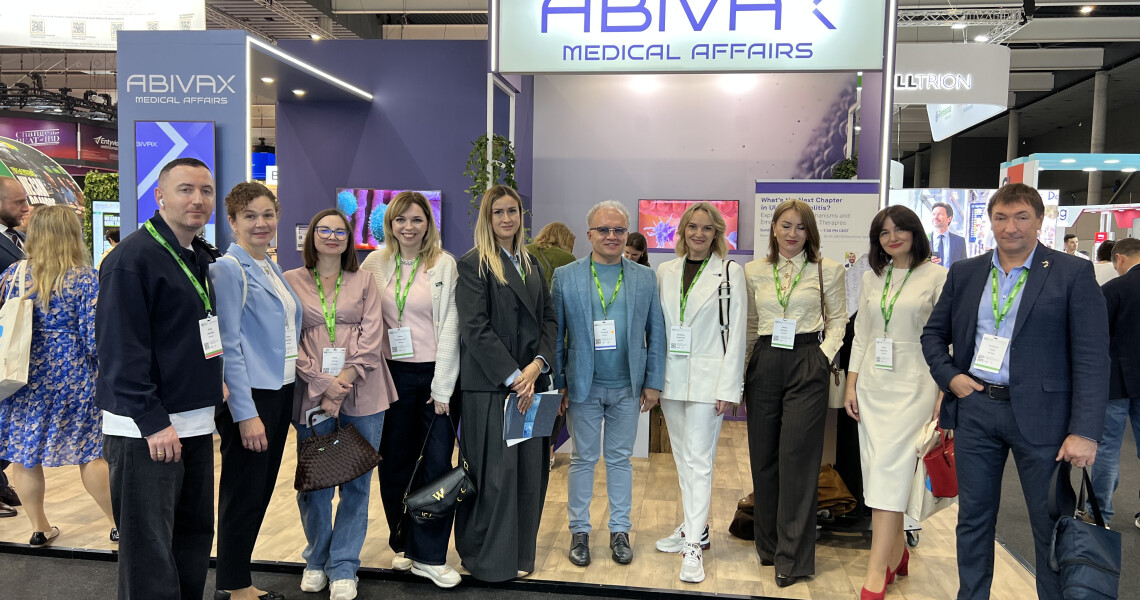
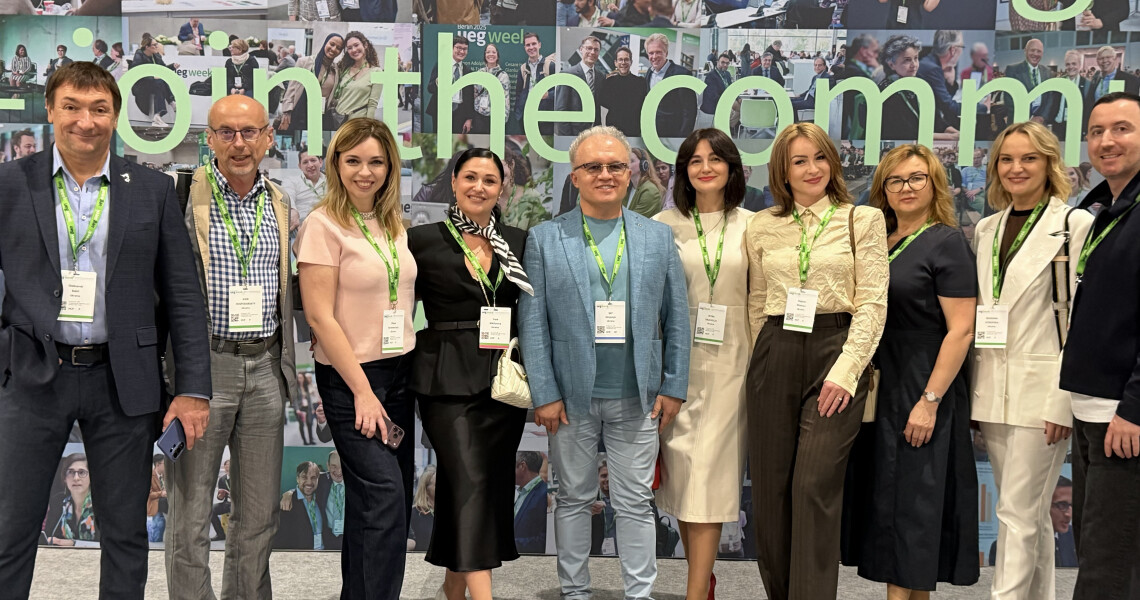
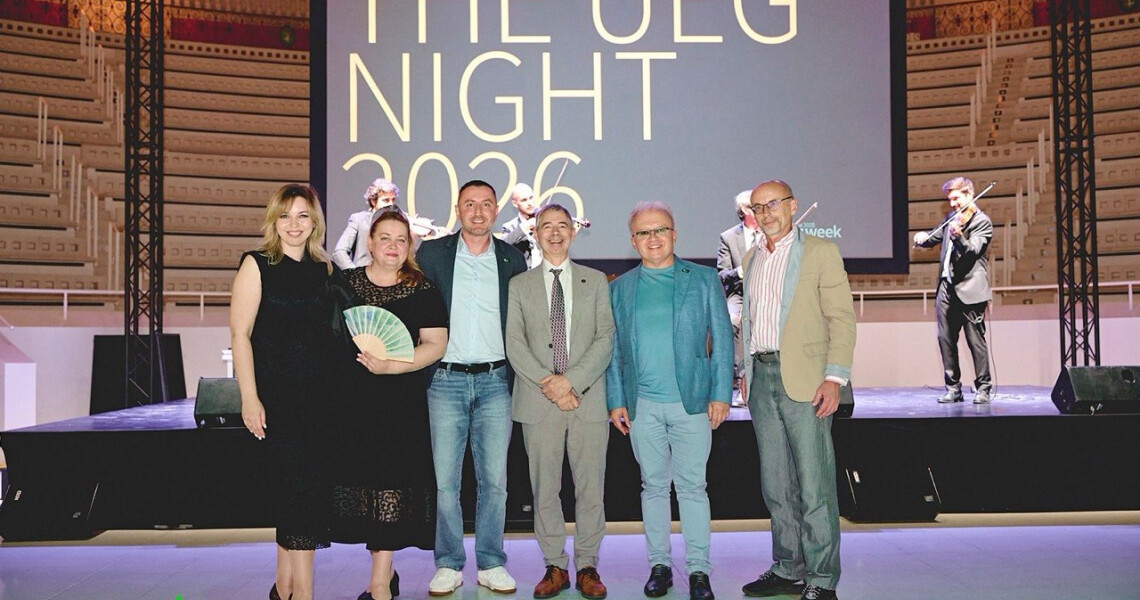
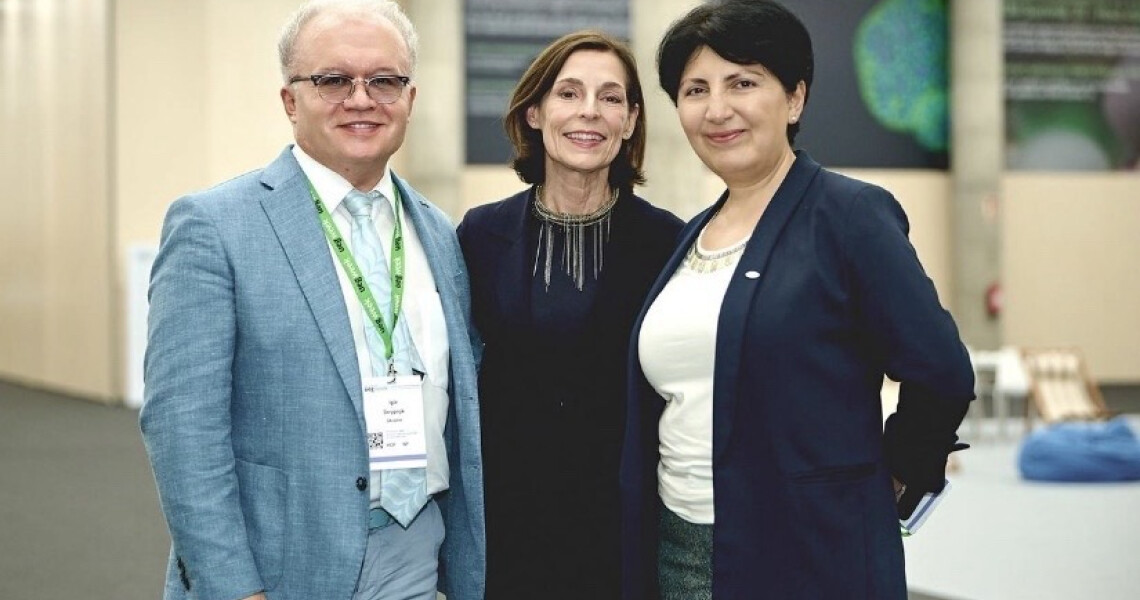
У роботі конгресу взяв участь проректор з науково-педагогічної роботи та післядипломної освіти, професор кафедри внутрішньої медицини № 1 Полтавського державного медичного університету, президент Української гастроентерологічної асоціації Ігор Скрипник.
Він долучився до спільного засідання членів UEG та Форуму національних товариств, а також зустрічі Групи спільних інтересів (CIG) «Майбутнє навчання гастроентерології: мінімальні стандарти для навчальних програм з гастроентерології», що відбулася під головуванням голови освітнього комітету UEG Генрієтти Гайнріх (Henriette Heinrich).
Під час зустрічі, яка стала платформою для обміну знаннями між фахівцями, обговорили попередні результати проєкту MAGIC, спрямованого на визначення мінімальних стандартів навчальних програм з гастроентерології, а також результати спільного дослідження шляхів розвитку гастроентерологічної освіти в країнах Європи.
Окрім участі в пленарних засіданнях і наукових симпозіумах конгресу, Ігор Скрипник успішно завершив трирічну навчальну програму післядипломної освіти UEG з гастроентерології та отримав відповідний сертифікат.
Також Ігор Скрипник представив постерну доповідь за матеріалами наукових досліджень кафедри внутрішньої медицини № 1 ПДМУ, присвячених оптимізації лікування метаболічно-асоційованої стеатотичної хвороби печінки в поєднанні з ішемічною хворобою серця.
Участь у такому масштабному науковому заході дала змогу долучитися до наукових дискусій, ознайомитися з представленими доповідями та поспілкуватися з провідними фахівцями європейської і світової гастроентерології та колегами з різних країн світу.
Пресслужба Полтавского державного медицинского университета
PSMU at the 34th United European Gastroenterology Week (UEG Week 2026)
The 34th United European Gastroenterology Week (UEG Week 2026), one of the major scientific congresses of the year, took place in Barcelona, Spain, from 17 to 20 October 2026.
A total of 14,147 participants from 122 countries attended the congress, with 9% joining virtually. European countries accounted for the largest share of participants (61.55%). Other regions represented included Asia (17.45%), North America (11.7%), Latin America and the Caribbean (4.28%), Africa (3.56%), and Australia (1.46%). The countries with the highest numbers of participants were Italy (818), the United Kingdom (711), Germany (642), the United States (639), and Spain (603).
As is customary, a postgraduate education course was held on the first and second days of the congress, attracting 5,878 registered participants.
Ihor Skrypnyk, Vice-Rector for Academic Affairs and Postgraduate Education at Poltava State Medical University (PSMU), Professor at the Department of Internal Medicine No. 1, and President of the Ukrainian Gastroenterological Association, participated in the congress.
He attended a joint meeting of UEG members and the National Societies Forum, as well as a meeting of the Common Interest Group (CIG) entitled “The Future of Gastroenterology Training: Minimum Standards for Gastroenterology Training Programs,” chaired by Henriette Heinrich, Chair of the UEG Education Committee.
The meeting provided a platform for knowledge exchange among specialists. Participants discussed the preliminary results of the MAGIC project, which aims to define minimum standards for gastroenterology training programs, as well as the findings of a collaborative study exploring ways to advance gastroenterology education across European countries.
In addition to attending the congress's plenary sessions and scientific symposia, Ihor Skrypnyk successfully completed the three-year UEG postgraduate education programme in gastroenterology and received the corresponding certificate.
He also presented a poster based on research conducted by the PSMU Department of Internal Medicine No. 1, focusing on optimizing the treatment of metabolic dysfunction-associated steatotic liver disease in patients with concomitant ischaemic heart disease.
Participation in this major international scientific event provided an opportunity to engage in scientific discussions, learn about the research presented, and exchange insights with leading European and international gastroenterology experts and colleagues from around the world.