



«Дуже важливо бути другом для жінки, порадником, щоб вона могла на вас спиратися»
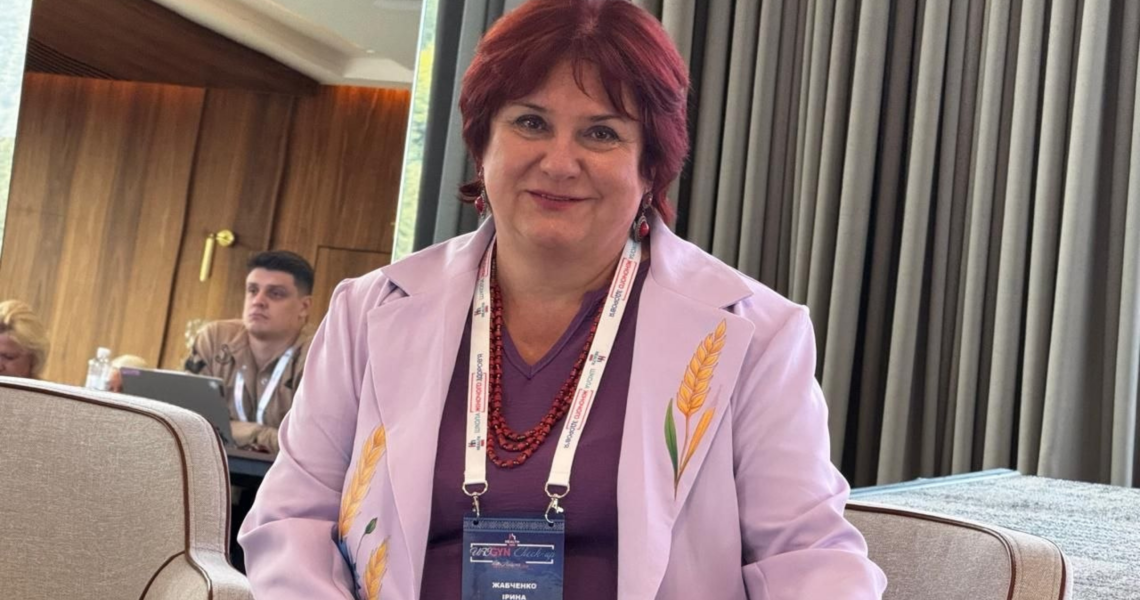
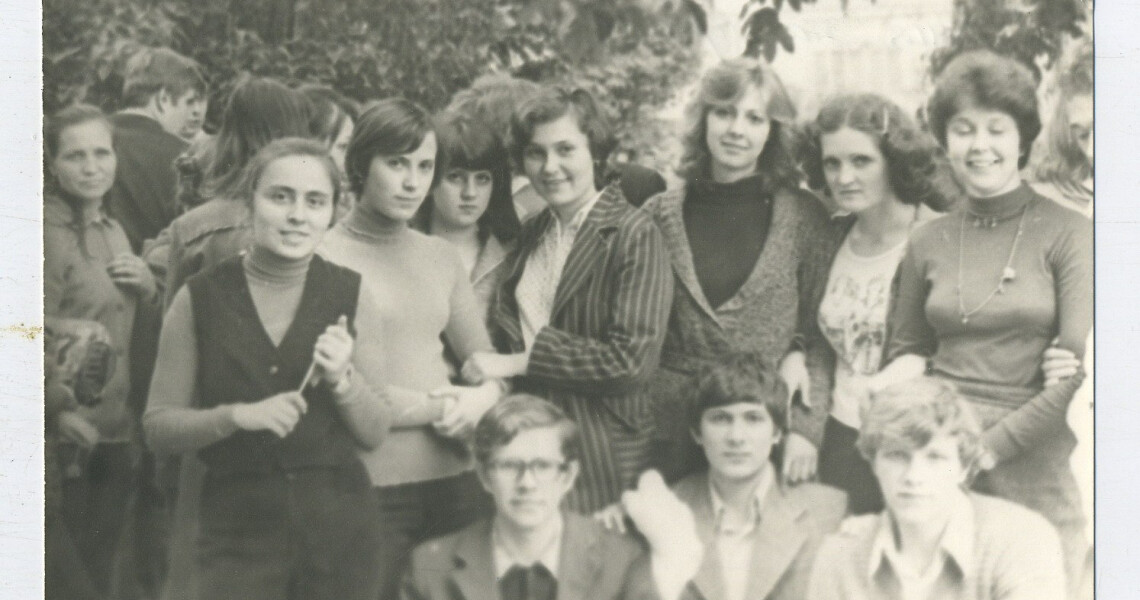
Минуло понад 40 років відтоді, як Ірина Жабченко закінчила Полтавський медичний стоматологічний інститут. За цей час вона стала докторкою медичних наук, професоркою, досвідченою акушер-гінекологинею та керівницею відділення патології вагітності та пологів ДУ «Всеукраїнський центр материнства та дитинства НАМН України» (Київ). Та зв’язок із роками навчання не перервався: з однокурсниками вона підтримує дружні стосунки й досі, а торік вони зустрілися з нагоди 40-річчя випуску.
— Ми, як і тоді, раді бачити одне одного. Відчуття єдиної родини, дружба, що заклалася з юних років, залишаються з нами й досі.
Особливе місце у спогадах випускниці посідають викладачі, які допомогли їй визначитися з майбутньою спеціальністю та підготували до самостійної роботи.
На початку навчання Ірина Жабченко розглядала різні напрями медицини, зокрема педіатрію та гастроентерологію. Зацікавлення акушерством з’явилося на четвертому курсі, значною мірою завдяки викладачам, які допомогли їй побачити особливості цієї спеціальності.
— Я дуже вдячна викладачам, які заклали в мені цікавість до акушерства. Тоді я вже говорила друзям і батькам, що, мабуть, це буде моє , – згадує Ірина Анатоліївна.
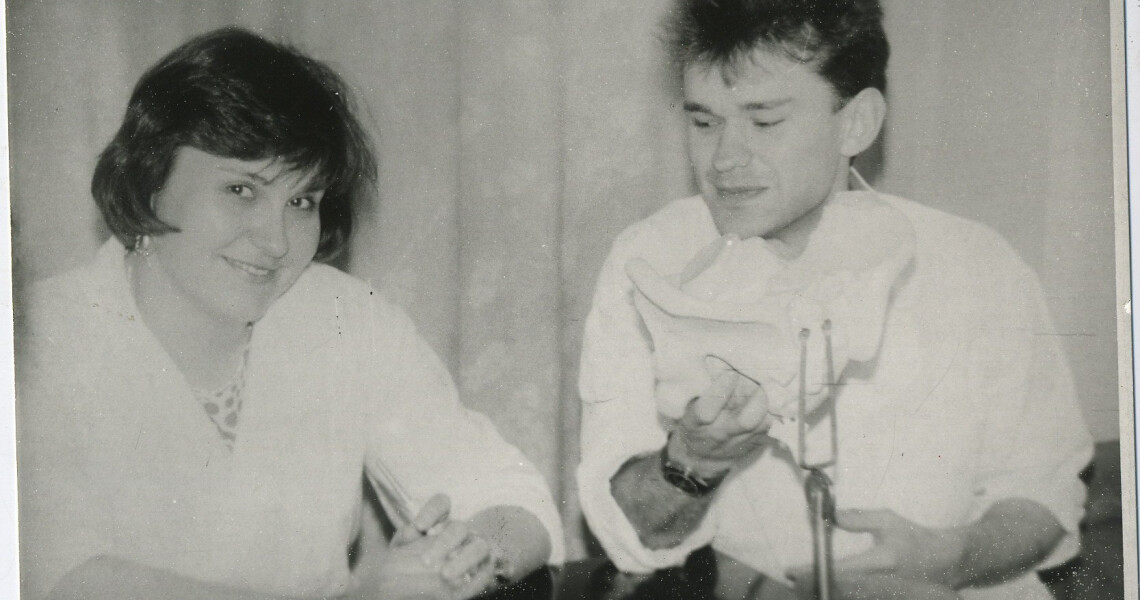
Важливу роль у професійному становленні майбутньої лікарки відіграв професор Володимир Костянтинович Ліхачов. Згодом викладач і колишня студентка стали колегами, а зв’язок із кафедрою акушерства та гінекології № 2 ПДМУ зберігся й донині.
— Серце моє все життя належить акушерству. Я так і працюю в акушерстві.
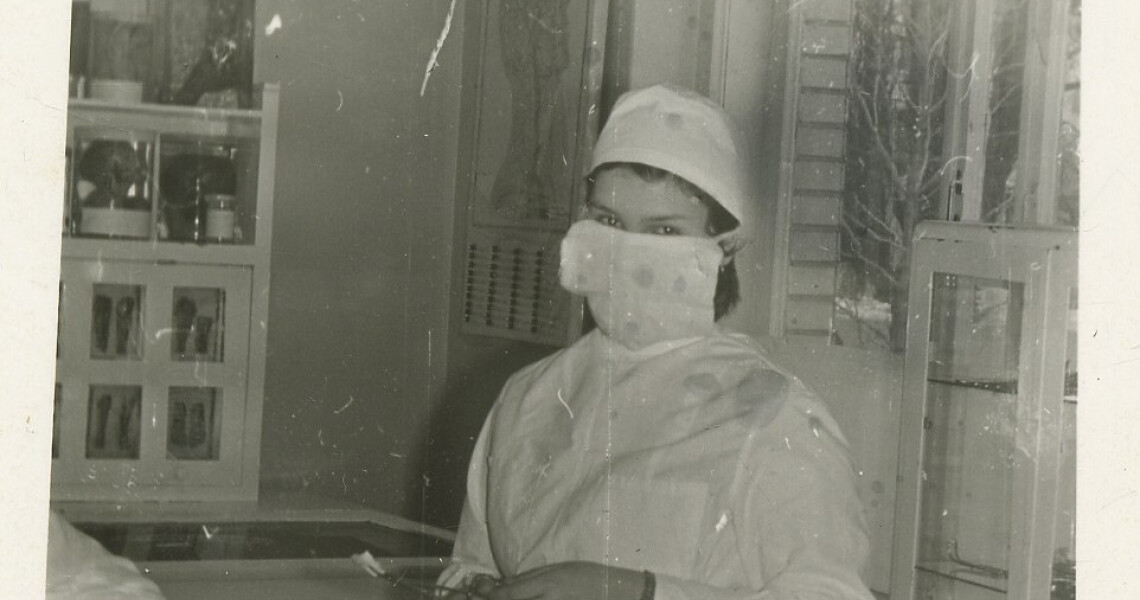
Після закінчення інституту вона вступила до клінічної ординатури на кафедрі акушерства та гінекології. Серед її наставників був професор Анатолій Петрович Голубєв. Саме тоді теоретичні знання поступово перетворювалися на практичний досвід: Ірина Жабченко вчилася приймати пологи, виконувати акушерські маніпуляції та діяти у складних клінічних ситуаціях.
— Я дуже вдячна тому досвіду, який почала отримувати ще під час клінічної ординатури. Коли наприкінці 1987 року приїхала до Києва продовжувати навчання в аспірантурі, вже багато чого вміла робити.
Науковий пошук і виклики сучасного акушерства
У 2004 році Ірина Жабченко захистила докторську дисертацію на тему «Профілактика та прогнозування акушерської та перинатальної патології у здорових вагітних». У центрі її дослідження було питання: чому ускладнення виникають навіть у жінок, які до вагітності не мали очевидних проблем зі здоров’ям?
— Зазвичай дослідники вивчають певну патологію та порівнюють пацієнток із нею зі здоровими жінками. А ми поставили інше запитання: що відбувається у практично здорових вагітних і чому навіть у них не завжди все перебігає сприятливо? – пояснює Ірина Жабченко.
Науковці аналізували різні чинники, що можуть впливати на перебіг вагітності, зокрема психологічний і гормональний стан жінки та вплив довкілля. Пандемія COVID-19, а згодом повномасштабна війна додали вагітним нових переживань, пов’язаних із небезпекою, невизначеністю та вимушеними змінами в житті. Повітряні тривоги, ракетні й дронові атаки, розлука з близькими та вимушене переміщення стали частиною повсякдення багатьох жінок. Серед пацієнток Ірини Жабченко є внутрішньо переміщені особи, дружини військовослужбовців, жінки, які виношують дитину після втрати чоловіка або доглядають за ним після тяжких поранень.
— Вагітні переживають не тільки за власну безпеку, а й за майбутнє своєї дитини, за майбутні пологи. Іноді психологічно дуже складно достукатися до їхньої душі, тому що вони закриваються, наче в мушлі, – розповідає лікарка.
— Ми не можемо відвернути ракетні атаки, але можемо допомогти жінкам, пояснити, як дбати про себе, за потреби призначити безпечну для вагітності підтримку, допомогти нормалізувати сон. Ми пристосовуємося до викликів сьогодення й дивимося, як вони впливають на наших пацієнток, – зазначає Ірина Анатоліївна.
Професійність, довіра та людяність
За десятиліття роботи в акушерстві змінилися медичні технології, підходи до діагностики й лікування, можливості допомоги пацієнткам. Водночас ця спеціальність і сьогодні вимагає від лікаря широких знань, готовності постійно вчитися та вміння знаходити спільну мову з жінкою.
Акушер-гінеколог має враховувати не лише перебіг вагітності, а й супутні захворювання, які можуть впливати на стан матері та дитини. Особливої уваги потребують жінки, які планують материнство у старшому репродуктивному віці або мають захворювання внутрішніх органів.
Професорка переконана, що лікар має постійно оновлювати свої знання.
— Лікар має навчатися все своє життя. Навіть коли я читаю лекції, це змушує мене оновлювати знання, шукати нову інформацію, спочатку самій розібратися в проблемі, а потім донести її до слухачів, – говорить Ірина Жабченко.
Не менш важливими вона вважає порядність і відповідальність у взаєминах із пацієнтами та колегами. В акушерстві особливе значення має командна робота: стан жінки може швидко змінитися, і злагоджені дії медиків нерідко визначають результат допомоги.
Окреме місце у професійних принципах Ірини Жабченко посідає довіра між лікарем і пацієнткою. Вона переконана, що важливо підтримати жінку, допомогти їй відчути впевненість у собі та своїх силах, зберегти віру в можливість материнства.
Особливо делікатного підходу потребують жінки, які пережили втрату вагітності. Важливо пояснити можливі причини того, що сталося, допомогти пройти необхідне обстеження та, якщо це можливо, підготуватися до наступної вагітності.
Клінічні історії, які запам’ятовуються
Близько п’ятнадцяти років тому Ірина Жабченко допомагала родині, яка після кількох втрат вагітності знову чекала на дитину. Під час пологів в іншому медичному закладі виникли тяжкі ускладнення: через масивну кровотечу лікарям довелося видалити матку, а дитину врятувати не вдалося.
Попри пережите, подружжя не полишило мрії стати батьками. Оскільки яєчники жінки вдалося зберегти, Ірина Анатоліївна запропонувала розглянути сурогатне материнство. Родина погодилася, вагітність сурогатної матері проходила під медичним супроводом, а розродження провела Ірина Жабченко.
Лікарка й досі пам’ятає момент, коли новонародженого хлопчика передали біологічним батькам. Нині він уже дорослий, займається футболом, а родина живе повноцінним життям.
Інша історія сталася минулого року. До медичного закладу перевели 48-річну жінку, яка після численних спроб лікування безпліддя нарешті завагітніла двійнею. Через супутні захворювання та загрозу передчасних пологів вагітність опинилася під загрозою вже на 23-му тижні. Завдяки зусиллям медичної команди її вдалося продовжити до 32-го тижня.
Після оперативного розродження на світ з’явилися Ліза й Тимофій. Малюки недовго перебували у відділенні інтенсивної терапії, а після виписки продовжили спостерігатися у фахівців. Коли дітям виповнився рік, родина приїхала провідати лікарів. Відтоді Ірина Жабченко час від часу отримує відео, на яких бачить, як двійня росте й бешкетує.
— Я бачу щастя цієї родини, і вік тут ні до чого, тому що вони отримали те, чого хотіли. У наш буремний час такі випадки надихають і допомагають зрозуміти, що ти недарма працюєш у цій професії, – ділиться лікарка.
Підручник для майбутніх медиків
Клінічна практика, наукова робота та викладання залишаються важливими складовими професійного життя Ірини Жабченко. Вона також долучилася до створення нового підручника «Акушерство» за участі фахівців Полтавського державного медичного університету.
Працюючи над окремими розділами, авторка спиралася на сучасні міжнародні рекомендації, переглядала підходи до діагностики й лікування та оновлювала наукові дані.
— Я досі пам’ятаю авторів підручників з акушерства, за якими ми навчалися. Один із них, синього кольору, і сьогодні стоїть у мене перед очима, – розповідає професорка.
Тепер вона сама працює над навчальним виданням і добре розуміє, наскільки важливо, щоб матеріал відповідав сучасним науковим даним і був зрозумілим для студентів.
— Це дуже цікава робота, але й дуже відповідальна. Треба, щоб інформація була максимально сучасною, доступною, щоб студенти могли зрозуміти основні проблеми, шляхи їх вирішення та використовувати ці знання у своїй подальшій практичній роботі, – зазначає Ірина Анатоліївна.
«Медицина вічна»
Сучасна медицина стикається з новими викликами: наслідками війни, змінами в системі охорони здоров’я та новими вимогами до роботи лікарів. Та попри труднощі, Ірина Жабченко закликає молодих колег, студентів та інтернів не втрачати інтересу до обраної справи й не боятися змін.
— Сьогодні є багато складнощів, і це не лише професійні питання чи взаємини між лікарем і пацієнтом. Є також труднощі, пов’язані з реформуванням медичної системи та новими вимогами. Я хочу побажати молодим лікарям, студентам, інтернам, щоб вони цього не лякалися. Тому що це все тимчасово, а медицина – вона вічна.
Пресслужба Полтавского державного медицинского университета
The Profession in Focus: PSMU Graduate and Obstetrician-Gynaecologist Iryna Zhabchenko
“It is very important to be a friend and an adviser to a woman, someone she can rely on.”
More than 40 years have passed since Iryna Zhabchenko graduated from the Poltava Medical Dental Institute. Over the years, she has become a Doctor of Medical Sciences, Professor, experienced obstetrician-gynaecologist, and Head of the Department of Pregnancy and Childbirth Pathology at the State Institution “All-Ukrainian Centre for Motherhood and Childhood” of the National Academy of Medical Sciences of Ukraine in Kyiv. Yet her connection with her student years has never faded: she still maintains close friendships with her former classmates, and last year they reunited to mark the 40th anniversary of their graduation.
“We are still happy to see one another, just as we were back then. The feeling of belonging to one family and the friendships formed in our youth have stayed with us to this day.”
Her memories of university are closely associated with the lecturers who helped her choose her future specialisation and prepared her for independent clinical practice.
At the beginning of her studies, Iryna Zhabchenko considered several fields of medicine, including paediatrics and gastroenterology. Her interest in obstetrics emerged in her fourth year, largely thanks to lecturers who helped her appreciate the distinctive nature of this specialty.
“I am very grateful to the lecturers who sparked my interest in obstetrics. By then, I was already telling my friends and parents that this would probably be my calling,” recalls Iryna Anatoliivna.
Professor Volodymyr Kostiantynovych Likhachov played a particularly important role in shaping her professional development. In time, the lecturer and his former student became colleagues, and her connection with PSMU’s Department of Obstetrics and Gynaecology No. 2 continues to this day.
“My heart has belonged to obstetrics throughout my entire life. And obstetrics is still what I practise.”
After graduating from the institute, she enrolled in a clinical residency programme at the Department of Obstetrics and Gynaecology. Among her mentors was Professor Anatolii Petrovych Holubiev. It was during this period that theoretical knowledge gradually became practical experience: Iryna Zhabchenko learned to deliver babies, perform obstetric procedures, and respond to complex clinical situations.
“I am very grateful for the experience I began gaining during my clinical residency. When I arrived in Kyiv at the end of 1987 to continue my studies as a postgraduate student, I already knew how to do quite a lot.”
Research and the Challenges of Modern Obstetrics
In 2004, Iryna Zhabchenko defended her doctoral dissertation entitled “Prevention and Prediction of Obstetric and Perinatal Pathology in Healthy Pregnant Women.” Her research focused on a fundamental question: why do complications arise even in women who had no apparent health problems before pregnancy?
“Researchers usually study a particular pathology and compare patients with that condition to healthy women. We asked a different question: what happens in women who are essentially healthy during pregnancy, and why does everything not always proceed favourably even in their cases?” explains Iryna Zhabchenko.
The researchers analysed various factors that may affect the course of pregnancy, including a woman’s psychological and hormonal status and environmental influences.
The COVID-19 pandemic, followed by the full-scale war, brought additional sources of distress into pregnant women’s lives, including danger, uncertainty, and forced changes in their circumstances. Air raid alerts, missile and drone attacks, separation from loved ones, and forced displacement have become part of everyday life for many women.
Among Iryna Zhabchenko’s patients are internally displaced women, wives of military personnel, women carrying a child after losing their husbands, and those caring for husbands who have sustained severe injuries.
“Pregnant women worry not only about their own safety but also about their child’s future and the delivery itself. Sometimes it is psychologically very difficult to reach them emotionally because they withdraw into themselves, as if retreating into a shell,” the doctor explains.
“We cannot stop missile attacks, but we can help women and explain how to take care of themselves. When necessary, we can prescribe support that is safe during pregnancy and help them restore normal sleep. We adapt to the challenges of our time and observe how they affect our patients,” says Iryna Anatoliivna.
Professional Expertise, Trust, and Humanity
Over decades of obstetric practice, medical technologies, diagnostic and treatment approaches, and the options available for patient care have changed considerably. Nevertheless, this specialty still requires extensive medical knowledge, a commitment to lifelong learning, and the ability to establish a rapport with each woman.
An obstetrician-gynaecologist must consider not only the course of pregnancy but also any underlying conditions that may affect the health of the mother and child. Particular attention is required when caring for women planning motherhood at an advanced reproductive age or those with diseases affecting internal organs.
Professor Zhabchenko firmly believes that doctors must continually update their knowledge.
“A doctor must study throughout their entire life. Even when I deliver lectures, I am compelled to update my knowledge, seek out new information, understand the problem myself first, and only then communicate it to my audience,” says Iryna Zhabchenko.
She considers integrity and responsibility in relationships with patients and colleagues equally important. Teamwork is particularly crucial in obstetrics: a woman’s condition can change rapidly, and coordinated action by healthcare professionals often determines the outcome of care.
Trust between a doctor and a patient holds a special place among Iryna Zhabchenko’s professional principles. She believes it is essential to support women, help them develop confidence in themselves and their abilities, and maintain their belief in the possibility of becoming mothers.
Women who have experienced pregnancy loss require an especially sensitive approach. It is important to explain the possible reasons for what happened, help them undergo the necessary examinations, and, where possible, prepare them for a subsequent pregnancy.
Clinical Stories That Stay with You
About fifteen years ago, Iryna Zhabchenko helped a couple who were expecting a child after experiencing several pregnancy losses. During childbirth at another medical facility, severe complications developed. Due to massive bleeding, the doctors had to remove the woman’s uterus, and the baby could not be saved.
Despite this devastating experience, the couple did not give up their dream of becoming parents. Since the woman’s ovaries had been preserved, Iryna Anatoliivna suggested considering surrogacy. The family agreed, and the surrogate pregnancy was monitored by medical professionals, with Iryna Zhabchenko overseeing the delivery.
The doctor still remembers the moment when the newborn boy was handed to his biological parents. Today, he is grown up and plays football, while the family enjoys a fulfilling life together.
Another memorable case occurred last year. A 48-year-old woman was transferred to the medical facility after finally becoming pregnant with twins following numerous unsuccessful fertility treatments. Due to underlying health conditions and the threat of premature labour, the pregnancy was already at risk at 23 weeks. Thanks to the efforts of the medical team, the pregnancy was prolonged to 32 weeks.
The twins, Liza and Tymofii, were born by caesarean section. They spent only a short time in the intensive care unit and continued receiving specialist follow-up care after discharge. When the children turned one, their family came to visit the doctors. Since then, Iryna Zhabchenko has occasionally received videos showing the twins growing up and getting into mischief.
“I can see how happy this family is, and age has nothing to do with it because they have achieved what they wanted. In these turbulent times, such cases are inspiring and help me understand that my work in this profession is worthwhile,” the doctor says.
A Textbook for Future Healthcare Professionals
Clinical practice, research, and teaching remain essential parts of Iryna Zhabchenko’s professional life. She has also contributed to the development of a new Obstetrics textbook involving specialists from Poltava State Medical University.
While working on individual chapters, the author drew on current international guidelines, reviewed diagnostic and treatment approaches, and updated the scientific evidence.
“I still remember the authors of the obstetrics textbooks we studied from. One of them, with a blue cover, is still vivid in my memory,” recalls the professor.
Today, she is contributing to an educational publication herself and understands how important it is for the material to reflect current scientific evidence and be accessible to students.
“This is very interesting work, but it also carries great responsibility. The information must be as up to date and accessible as possible, so that students can understand the main problems, learn how to address them, and apply this knowledge in their future clinical practice,” says Iryna Anatoliivna.
“Medicine Is Eternal”
Modern medicine faces new challenges, including the consequences of war, changes in the healthcare system, and evolving expectations of medical professionals. Despite these difficulties, Iryna Zhabchenko encourages young colleagues, students, and interns to remain passionate about their chosen profession and not to fear change.
“Today, we face many difficulties, and these are not limited to professional issues or relationships between doctors and patients. There are also challenges associated with healthcare reform and new requirements. I would like to encourage young doctors, students, and interns not to be afraid of these changes. All of this is temporary, but medicine is eternal.”