


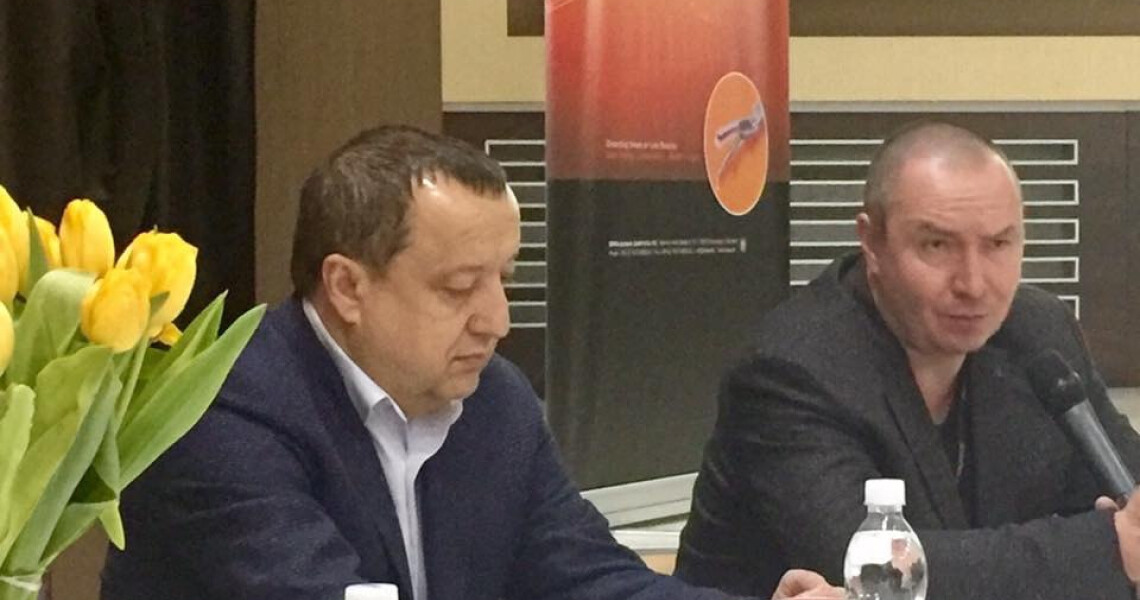
«Коли ти приходиш на роботу і займаєшся улюбленою справою, ти не працюєш жодного дня – ти просто живеш цим».
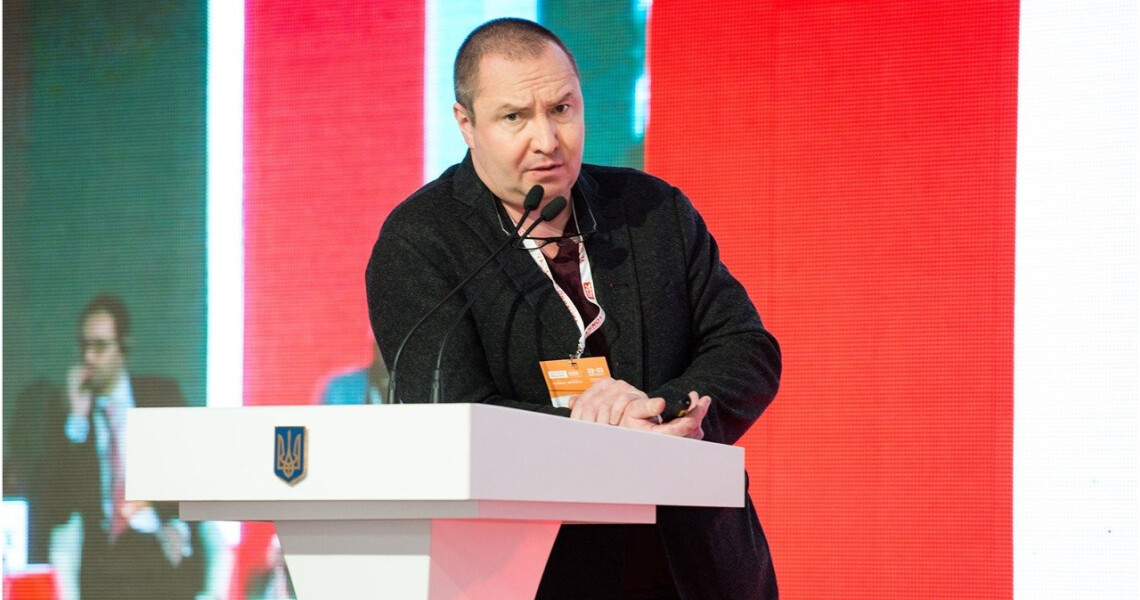
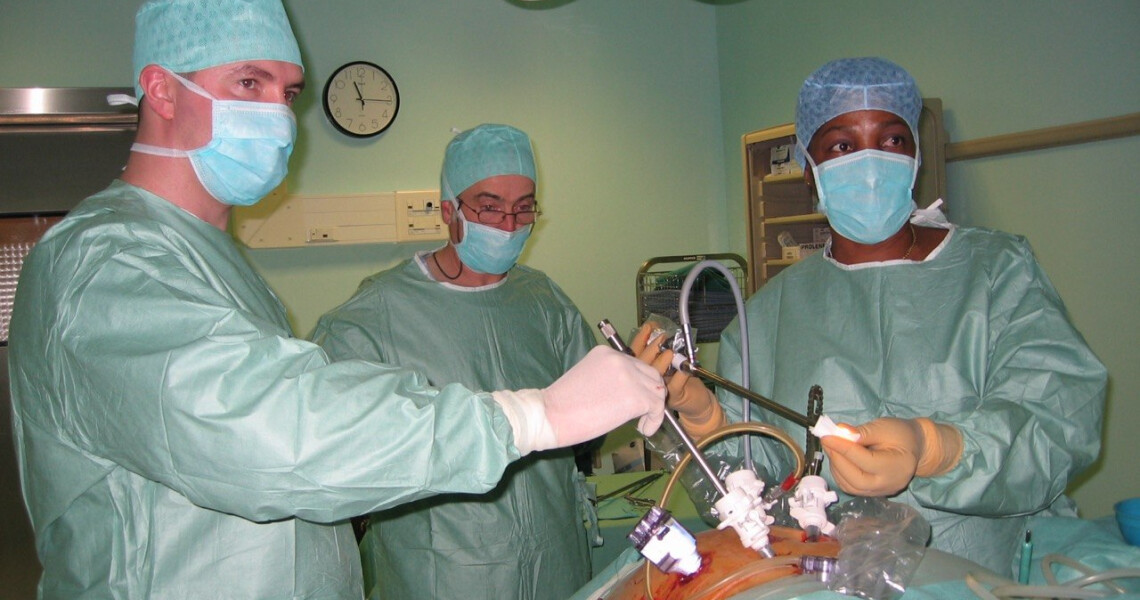
Сергій Байдо – випускник Полтавського медичного стоматологічного інституту 1994 року, який закінчив навчання з відзнакою. Він – кандидат медичних наук, онкохірург із понад 30-річним досвідом роботи, заступник медичного директора з хірургічної роботи Лікарні ізраїльської онкології LISOD (Київ), один із фахівців, які розвивали малоінвазивну онкохірургію в Україні. У його практиці – лапароскопічні гастректомії, радикальні гістеректомії та складні резекції, що належать до високотехнологічних онкологічних втручань.
Сьогодні Сергій Вікторович ділиться спогадами про студентські роки в Полтаві, перші кроки в професії у буремні 90-ті, розповідає про власне розуміння лікарської етики та справжню ціну професійного успіху.
— Чому свого часу ви обрали медицину? І чому саме Полтавський медичний університет? Це був одразу свідомий вибір чи все склалося випадково?
Якщо починати з жарту й без зайвого пафосу, то схильність до медицини я увібрав із молоком матері. Мої батьки стали першим поколінням медиків у родині. Щоправда, бабуся по батьковій лінії також була медсестрою. Батько – хірург, мама – офтальмохірург. Усе моє дитинство минуло в цьому середовищі. Пам'ятаю, років до п'яти я навіть мріяв, що коли виросту й стану лікарем, то обов'язково винайду таку пігулку, яка підніме «дідуся Леніна» з мавзолею. Нас же в радянські часи виховували на ідеології, що це «найлюдяніша людина». Звісно, малим я не усвідомлював усього політичного підтексту та суті тієї системи. Згодом дитячі мрії про лабораторні дослідження минули, і вже після п'ятого-шостого класу я цілком свідомо захотів піти батьковим шляхом – стати хірургом. У 1983 році, коли мені було 13 років, я зробив перший серйозний крок. Приблизно за рік до переходу в старші класи я пішов працювати санітаром до Першої міської клінічної лікарні Полтави.
Чому я так вчинив? Я цілеспрямовано готувався до вступу в медичний інститут. У ті часи наявність понад двох років загального медичного стажу давала вагомі пільги під час вступної кампанії. Це дозволяло вирівняти шанси з абітурієнтами-учасниками бойових дій в Афганістані, для яких виділяли велику кількість місць за окремим конкурсом. Тому мій вибір був абсолютно свідомим: щойно пролунав випускний дзвоник у школі, я одразу ж пішов подавати документи до медичного інституту.
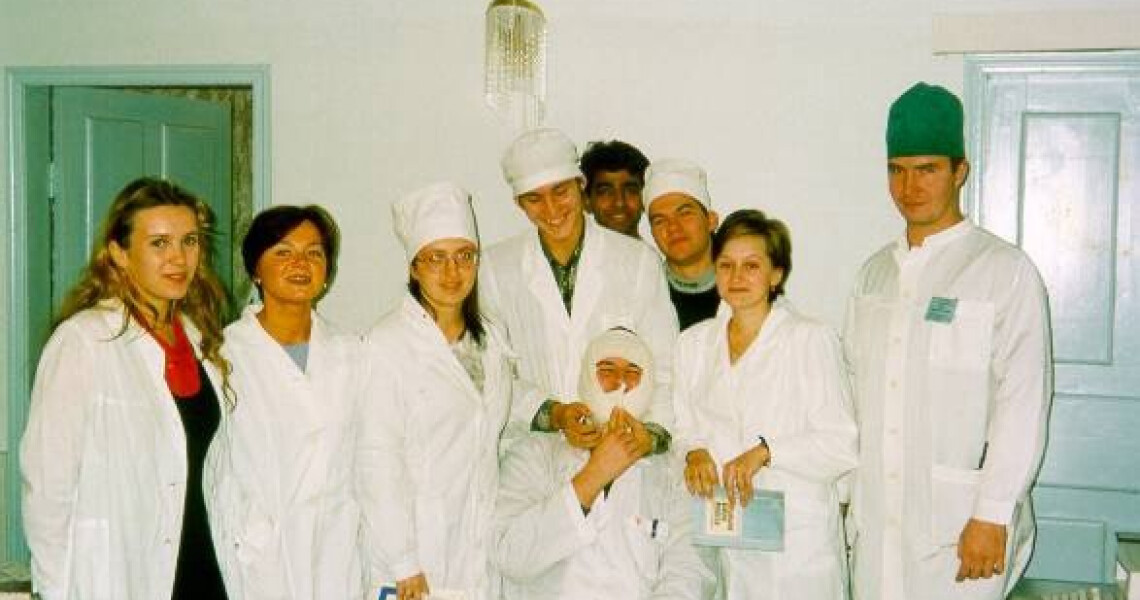
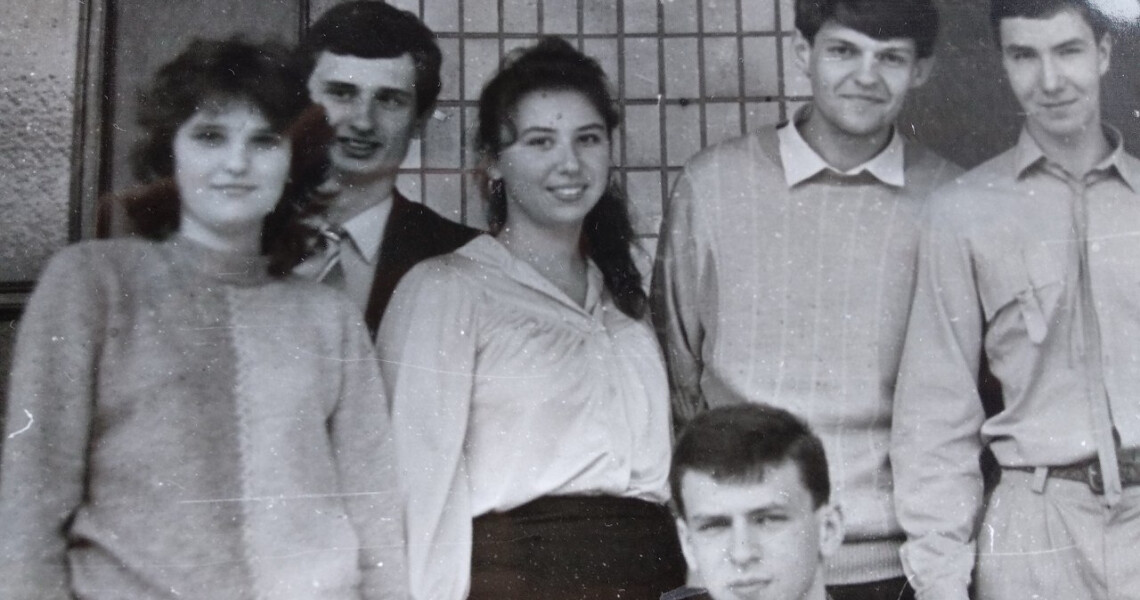
— Яким студентом ви були? Якою тоді була атмосфера в університеті, що найбільше запам'яталося – люди, друзі, викладачі?
Наше навчання збіглося з глобальними історичними змінами. У 1991 році розпався Радянський Союз, Україна проголосила незалежність. Ми завершили навчання у 1994-му, тож другу половину студентського життя провели вже в суверенній державі. Кінець 80-х і початок 90-х взагалі були непростими – період гіперінфляції, економічної кризи, появи перших фінансових пірамід. Вчитися в таких умовах було фінансово складно.
Я навчався дуже добре, отримував підвищену стипендію і зрештою закінчив інститут із червоним дипломом. Завдяки хорошій пам'яті та аналітичному мисленню матеріал давався мені легко. Проте зразковим студентом у класичному розумінні я не був: погано сприймав інформацію на слух, тому лекції часто пропускав, віддаючи перевагу самостійній роботі з книгами. Через це майже з кожним завідувачем кафедри мав дискусії, які, втім, швидко зникали після моїх успішних відповідей на іспитах.
Звісно, студентський погляд на викладачів із роками змінюється. Тоді ми дивилися на професорів знизу вгору, хоча серед них траплялися й доволі ексцентричні особистості. Наприклад, у нас викладав професор Чумак, який очолював кафедру загальної хірургії на базі центральної районної лікарні. У його кабінеті під стелею висіли портрети видатних діячів хірургії без підписів. Під час іспиту він міг раптово вказати пальцем на портрет і запитати: «Хто це і який його внесок у медицину?». Потрібно було одразу розповісти все про Амбруаза Паре чи Миколу Пирогова. Якщо студент не знав відповіді, професор мовчки брав заліковку й викидав її через вікно другого поверху. Старшокурсники нас про це попереджали, тому під вікном завжди чергував староста групи, який вправно ловив ці залікові книжки.
— Хто з наставників Полтавського медичного інституту відіграв вирішальну роль у вашому професійному становленні?
Якщо говорити про людей, які здійснили найбільший професійний внесок у моє становлення як клініциста, то це, безперечно, професор Максим Андрійович Дудченко. Він прожив понад 100 років. Хоча я обрав хірургію, а він був терапевтом, саме Максим Андрійович заклав у нас фундаментальні клінічні знання. Це були 90-ті роки, коли ми ще не мали комп’ютерних томографів чи МРТ. Діагнози у приймальному відділенні доводилося ставити виключно власними руками та вухами.
Професор Дудченко був жорстким, прискіпливим, але надзвичайно справедливим вчителем. Саме він викарбував у нашій пам'яті первинні мануальні навички: як правильно проводити пальпацію живота, перкусію грудної клітки, як слухати серце. За це я йому щиро вдячний. З Максимом Андрійовичем пов'язана й дивовижна історія моєї родини. Сам я народився в Актюбінську, а до Полтави переїхав разом із батьками у 1983 році. Виявилося, що професор Дудченко у свої молоді роки викладав в Актюбінському медичному інституті й навчав моїх батьків. У 1994 році його курс пройшов я. А значно пізніше мій син, який закінчив стоматологічний факультет уже Полтавського державного медичного університету, також складав йому іспит із терапії. Тобто три покоління нашої родини вчилися у цієї видатної людини! Максим Андрійович був справжньою людиною-епохою. На іспитах він був вимогливим і принциповим: високо цінував ґрунтовні знання та належну підготовку студентів
— Як ви прийшли саме в онкологічний напрям і що стало імпульсом для переходу?
Варто уточнити, що я саме онкохірург – займаюся хірургічною онкологією. Моя кар'єра розвивалася стрімко: вже у 30 років я мав серйозний досвід і виконував складні операції. Це збіглося з періодом стрімкого розвитку технологій, коли з'явилася малоінвазивна хірургія та лапароскопія. Мені пощастило бути серед першопрохідців на теренах колишнього пострадянського простору.
Десь у віці 32–33 років я відчув, що в загальній хірургії мені стає затісно. Обсяги онкохірургії значно ширші, а втручання – набагато масштабніші та складніші. Перехід в онкологію став логічним еволюційним кроком.
Після закінчення Полтавського медичного інституту я проходив інтернатуру та клінічну ординатуру в російській федерації, де згодом пропрацював майже 15 років. У 2010 році повернувся в Україну й зосередився виключно на онкохірургії, розпочавши роботу в приватній лікарні ізраїльської онкології LISOD. Чому саме цей напрям? Завдання, які онкохірургія ставить перед лікарем, набагато складніші, ніж у загальній хірургії. Але їх виконання приносить значне інтелектуальне та професійне задоволення.
— Як формувався ваш управлінський досвід та яку роль відіграло впровадження новітніх технологій в Україні?
Управляти хірургічними колективами мені довелося досить рано – ще з 24 років.
Ще під час інтернатури я впродовж чотирьох місяців виконував обов'язки завідувача хірургічного відділення на 60 ліжок. Там я фактично залишився один на вершині цієї відповідальності, тому нинішня керівна посада заступника медичного директора для мене – цілком природний етап.
Сьогодні я відповідаю за хірургічну службу сучасної клініки LISOD. Мені не соромно за той рівень, на який ми підняли планку хірургії в нашій лікарні та в країні загалом. Коли у 2010 році я повернувся в Україну, лапароскопічна онкохірургія тут фактично перебувала на початковому рівні з відставанням від світових тенденцій майже на два десятиліття. Ми стали тими, хто дав потужний поштовх цьому напряму в Україні. Сьогодні ситуація з лапароскопією в нашій державі є набагато кращою, ніж п'ятнадцять років тому.
— Розкажіть про свій закордонний досвід та стажування у провідних клініках Європи.
Мій закордонний етап кар'єри розпочався в обласному центрі в росії, де не було профільного медичного інституту й відчувався критичний дефіцит медичних кадрів. Навантаження виявилося колосальним: вже за два місяці інтернатури я самостійно виконував резекцію шлунка та холецистектомію – втручання, які тоді вважалися прерогативою професорів. Проте це була базова відкрита хірургія.
А от усе, що стосується сучасної малоінвазивної та лапароскопічної хірургії – це результат мого стажування в Швеції, Німеччині та Франції. Саме Франція здійснила найбільший вплив на мій професійний світогляд. Я вперше потрапив туди у 1998 році, коли мені було 28 років, і це знайомство повністю перевернуло моє розуміння хірургічного мистецтва. Французька хірургічна школа є неймовірно сильною та самодостатньою.
— Що саме має бути в людині, яка обирає шлях лікаря? Знання, досвід, характер чи співчуття?
Усе це має колосальне значення. Знання – це абсолютний базис. Фундаментальна біологічна освіта, знання анатомії та фізіології людини мають бути за замовчуванням. Специфічні знання потрібно поповнювати постійно: у медицині обсяг інформації подвоюється кожні п'ять років.
Проте без співчуття хорошого лікаря не буде. Якщо фахівець досвідчений, але цинічний і рівень його філантропії низький – він не зможе працювати з живими людьми. Лікар повинен вміти розмовляти з пацієнтом, перекладати складні медичні терміни на звичайну людську мову і залучати людину на свій бік. Лікування – це завжди спільне подолання хвороби та велика психологічна робота.Щодо життєвих уроків: окрім видатних наставників і прикладу моїх батьків, величезну роль відіграв і зворотний досвід. Спостерігаючи у своїй практиці за чужими професійними прорахунками, я чітко усвідомлював, як діяти не можна, і завдяки цьому зміг уберегти від фатальних помилок багатьох власних пацієнтів.
— Якби перед вами зараз сидів першокурсник, який сумнівається, чи правильно він обрав свій життєвий шлях, що б ви йому сказали?
Я б сказав чесно: якщо ти вже на першому курсі серйозно сумніваєшся, то в медицині тобі робити нічого. Краще піти одразу і не гаяти свій дорогоцінний час. Медицина – це надто довготривалий і складний шлях. Тут не буває швидких результатів. Від моменту, коли ти засіваєш перше зерно знань, до часу, коли починаєш збирати реальні плоди свого успіху, минає щонайменше двадцять років. І йти цим шляхом лише заради того, щоб забезпечити собі базовий заробіток – абсолютна помилка.
Моє студентство припало на буремні 90-ті. На п'ятому курсі ми з дружиною вже виховували первістка. Хірургія тоді не приносила прибутку, і мені доводилося паралельно займатися комерцією, будівництвом. До 36 років я збудував і продав понад 15 будинків, перш ніж звести власне житло. Але я жодного разу не кинув медицину, бо щиро «хворів» хірургією.
Секрет простий: коли ти приходиш на роботу і займаєшся улюбленою справою, ти не працюєш жодного дня – ти просто живеш цим. У медицині будуть десятки моментів, коли захочеться все кинути. Але професію лікаря потрібно любити беззастережно. Лише тоді цей довгий шлях матиме високий сенс.
Пресслужба Полтавского державного медицинского университета
A Profession in Portraits: PSMU Graduate Serhii Baido, Oncological Surgeon
“When you come to work and do what you love, you never work a single day in your life – you simply live it.”
Serhii Baido is a 1994 graduate of the Poltava Medical Stomatological Institute, which he completed with honors. He holds a PhD in Medical Sciences degree and is an oncological surgeon with over 30 years of professional experience. He currently serves as Deputy Medical Director for Surgical Services at LISOD, the Israeli Oncology Hospital in Kyiv. He is one of the specialists who helped advance minimally invasive oncological surgery in Ukraine. His surgical practice includes laparoscopic gastrectomies, radical hysterectomies, and complex resections involving advanced surgical techniques in cancer treatment.
Today, Serhii Viktorovych shares his memories of student life in Poltava, his first professional steps during the turbulent 1990s, and his personal understanding of medical ethics and the true value of professional success.
— Why did you choose medicine in the first place? And why specifically Poltava Medical University? Was it a conscious decision from the very beginning, or did things simply work out that way?
To start with a joke and without unnecessary solemnity, I would say that I inherited my inclination towards medicine with my mother's milk. My parents were the first generation of medical professionals in our family. Although my paternal grandmother had also been a nurse. My father was a surgeon, and my mother was an ophthalmic surgeon. I spent my entire childhood in this environment.
I remember that until I was about five years old, I even dreamed that when I grew up and became a doctor, I would certainly invent a pill that could bring “Grandfather Lenin” back to life from his mausoleum. After all, in soviet times, we were brought up to believe that he was “the most humane person”. Of course, as a child, I did not understand the political implications or the true nature of that system.
Later, my childhood dreams of laboratory research faded, and by the fifth or sixth grade, I had made a conscious decision to follow in my father's footsteps and become a surgeon.
In 1983, when I was 13, I took my first serious step towards this goal. Approximately a year before moving on to senior school, I started working as a hospital orderly at Poltava First City Clinical Hospital.
Why did I do that? I was deliberately preparing to enter medical school. At that time, having more than two years of general medical work experience offered significant advantages during the university admission process. It helped applicants compete on more equal terms with those who had participated in the military operations in Afghanistan and were allocated a considerable number of places through a separate admissions quota.
So my choice was entirely deliberate: as soon as the final school bell rang, I went straight to submit my application to the medical institute.
— What kind of student were you? What was the atmosphere like at the institute at the time? What do you remember most – the people, friends, or lecturers?
Our studies coincided with major historical changes around the world. In 1991, the Soviet Union collapsed and Ukraine declared its independence. We graduated in 1994, which meant that we spent the second half of our student years in an independent country.
The late 1980s and early 1990s were difficult times in general – a period of hyperinflation, economic crisis, and the emergence of the first financial pyramid schemes. Studying under such circumstances was financially challenging.
I was an excellent student, received a higher-than-standard scholarship, and eventually graduated with honors. Thanks to my good memory and analytical thinking, I found it relatively easy to master the material. However, I was not a model student in the traditional sense. I found it difficult to absorb information by listening, so I often skipped lectures and preferred studying independently from books.
As a result, I had disagreements with almost every department head, although these usually disappeared quite quickly after I demonstrated my knowledge during examinations.
Of course, our perception of lecturers has changed over the years. Back then, we looked up to professors, although some of them were rather eccentric personalities.
For example, we had Professor Chumak, who headed the Department of General Surgery based at the Central District Hospital. In his office, portraits of prominent figures in surgery hung near the ceiling, without any captions. During an examination, he could suddenly point to one of them and ask: “Who is this, and what was his contribution to medicine?”
You had to be ready to talk about everything from Ambroise Paré to Mykola Pirogov. If a student did not know the answer, the professor would silently take their record book and throw it out of the second-floor window. Senior students had warned us about this, so the group monitor always stood on duty beneath the window, ready to catch the record books!
— Which mentors at Poltava Medical Institute played a decisive role in your professional development?
When speaking about the people who made the greatest professional contribution to my development as a clinician, I would undoubtedly name Professor Maksym Andriiovych Dudchenko. He lived to be over 100 years old.
Although I chose surgery and he was an internist, it was Maksym Andriiovych who laid the foundations of our clinical knowledge.
These were the 1990s, when we did not yet have CT scanners or MRI machines. Diagnoses in the admissions department had to be made entirely through our own hands and ears.
Professor Dudchenko was a strict and demanding teacher, but he was extraordinarily fair. He instilled in us the fundamental skills of clinical examination: how to perform abdominal palpation correctly, how to percuss the chest, and how to listen to the heart. I am sincerely grateful to him for that.
There is also an extraordinary family story associated with Professor Dudchenko. I was born in Aktobe and moved to Poltava with my parents in 1983. It turned out that in his younger years, Professor Dudchenko had taught at Aktobe Medical Institute, where he had taught both of my parents.
In 1994, I completed his course. Much later, my son, who graduated from the Faculty of Dentistry at what is now Poltava State Medical University, also took his examination in internal medicine with him.
In other words, three generations of our family studied under this remarkable man!
Maksym Andriiovych was truly a man of his era. He was demanding and principled during examinations, placing great value on thorough knowledge and proper student preparation.
— How did you enter the field of oncology, and what prompted you to make that transition?
It is worth clarifying that I am specifically an oncological surgeon, working in surgical oncology.
My career developed rapidly: by the age of 30, I had already gained considerable experience and was performing complex operations. This coincided with a period of rapid technological development, when minimally invasive surgery and laparoscopy began to emerge. I was fortunate to be among the pioneers of this field across the former Soviet Union.
At around 32–33, I began to feel that general surgery was becoming too restrictive for me. Surgical oncology offers a much broader scope, with procedures that are considerably more extensive and complex. Moving into oncology was therefore a natural next step in my professional development.
After graduating from Poltava Medical Institute, I completed my internship and clinical residency in the russian federation, where I subsequently worked for almost 15 years.
In 2010, I returned to Ukraine and focused exclusively on oncological surgery, joining LISOD, the Israeli Oncology Hospital.
Why did I choose this particular field? The challenges that oncological surgery presents to a physician are far more complex than those encountered in general surgery. However, overcoming them brings enormous intellectual and professional satisfaction.
— How did your management experience develop, and what role did the introduction of advanced technologies play in Ukraine?
I started managing surgical teams relatively early, at the age of 24.
During my internship, I spent four months acting as the head of a 60-bed Surgery Unit. I was essentially left alone at the top, carrying the full weight of that responsibility. Therefore, my current position as Deputy Medical Director feels like a natural stage in my professional development.
Currently, I am responsible for the surgical services at the modern LISOD clinic. I am proud of the level of surgical care we have achieved at our hospital and of the contribution we have made to advancing surgery in Ukraine as a whole.
When I returned to Ukraine in 2010, laparoscopic oncological surgery was still at a very early stage here, lagging behind global developments by almost two decades. We were among those who gave this field a significant impetus in Ukraine.
Nowadays, the situation with laparoscopic surgery in our country is considerably better than it was fifteen years ago.
— Tell us about your international experience and training at leading European clinics.
My international career experience began in a regional center in russia, where there was no specialized medical institute and a critical shortage of medical personnel.
The workload was enormous. Just two months into my internship, I was independently performing gastric resections and cholecystectomies – procedures that at the time were considered the preserve of professors. However, this was conventional open surgery.
As for everything related to modern minimally invasive and laparoscopic surgery, that is the result of my training placements in Sweden, Germany, and France.
France had the greatest influence on my professional outlook. I first went there in 1998, when I was 28, and that experience completely transformed my understanding of the art of surgery. The French school of surgery is exceptionally strong and self-sufficient.
— What qualities should a person possess to choose the path of medicine? Knowledge, experience, character, or compassion?
All of these are tremendously important.
Knowledge is the absolute foundation. A solid education in biology, together with a thorough understanding of human anatomy and physiology, should be taken for granted. Specialized knowledge must be continuously updated: the volume of medical information doubles every five years.
However, without compassion, there can be no good doctor. Even if a specialist is highly experienced, if they are cynical and lack empathy, they will not be able to work effectively with real people.
A doctor must know how to communicate with patients, translate complex medical terminology into ordinary human language, and win the patient's trust and cooperation.
Treatment is always a joint effort to overcome illness, as well as a major psychological undertaking.
As for life lessons, besides the outstanding mentors and the example set by my parents, I also learned a great deal from negative experiences. Observing the professional mistakes of others in my practice helped me understand clearly what should never be done. This, in turn, enabled me to protect many of my own patients from potentially fatal errors.
— If a first-year student who was unsure whether they had chosen the right path were sitting in front of you today, what would you tell them?
I would be honest: if you are already seriously questioning your choice in your first year, then medicine may not be the right profession for you. It is better to leave now rather than waste your precious time.
Medicine is an exceptionally long and challenging journey. There are no quick results here. From the moment you plant the first seed of knowledge until you begin to reap the real rewards of your success, at least twenty years will pass.
Embarking on this journey solely to secure a basic income is a fundamental mistake.
My student years coincided with the turbulent 1990s. By my fifth year, my wife and I were already raising our first child. Surgery was not a lucrative profession at the time, so I had to pursue other activities alongside medicine, including business and construction.
By the age of 36, I had built and sold more than 15 houses before finally building a home of my own.
But I never once abandoned medicine because I was genuinely passionate about surgery.
The secret is simple: when you come to work and do what you love, you never work a single day in your life – you simply live it.
There will be dozens of moments in medicine when you feel like giving everything up. But you must love the medical profession wholeheartedly. Only then will this long journey have profound meaning.