


«Я ніколи не забуваю відкривати підручник з анатомії перед кожною операцією»
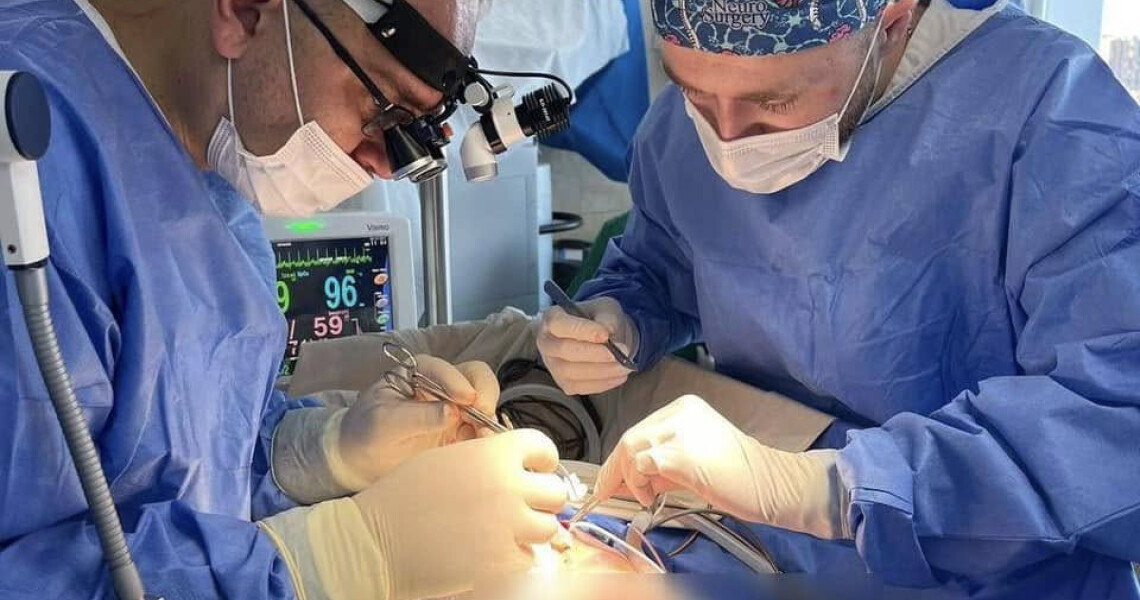
Щодня він працює в операційній, де важливі точність, зосередженість і професійний досвід. За його плечима – сотні складних втручань, робота з найменшими пацієнтами, постійне навчання та професійний розвиток.
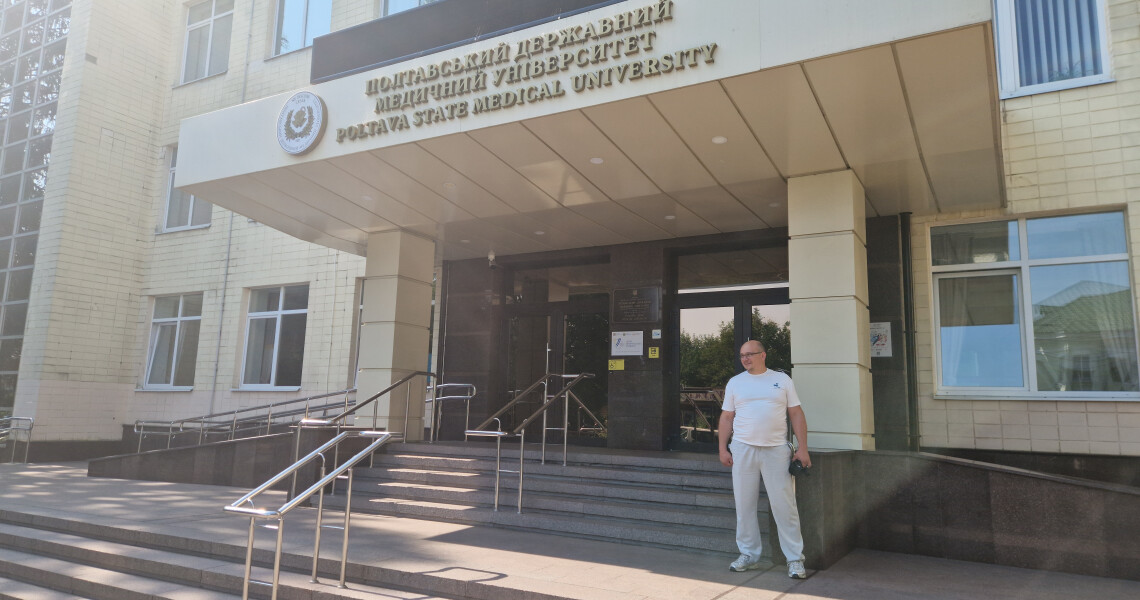
— Я ніколи не забуваю відкривати підручник з анатомії перед кожною операцією, – говорить випускник Української медичної стоматологічної академії (нині – Полтавський державний медичний університет), лікар-нейрохірург, дитячий нейрохірург нейрохірургічного відділення КП «Полтавська обласна клінічна лікарня імені М. В. Скліфосовського» Віталій Плохіх.
У 2016 році він закінчив академію, а у 2019-му завершив інтернатуру за спеціальністю «Дитяча хірургія». Наступного року здобув спеціалізації з нейрохірургії та дитячої нейрохірургії.
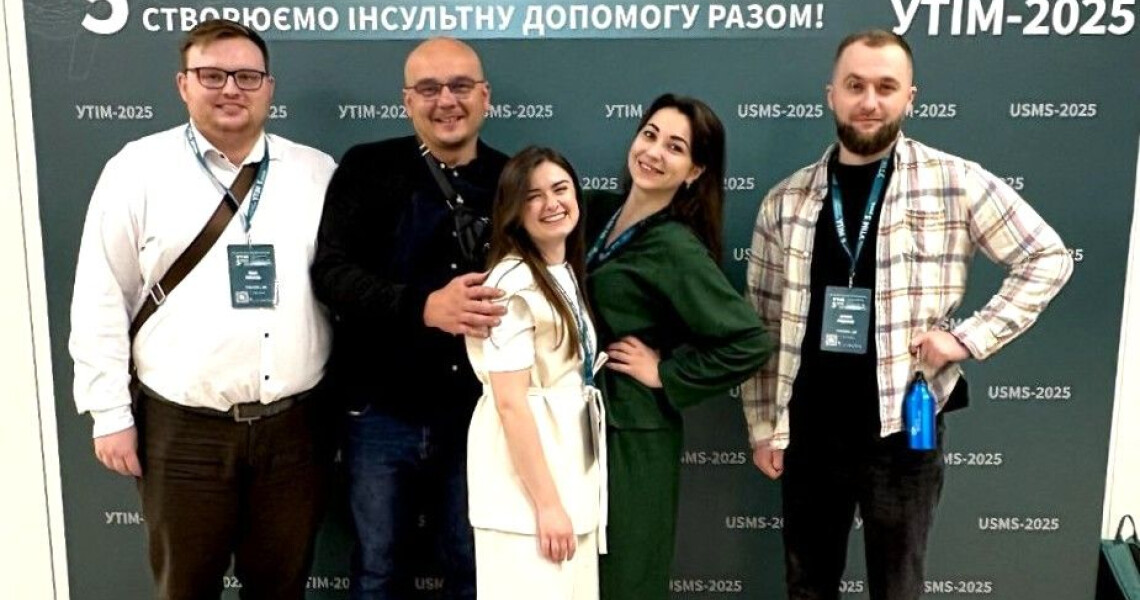
Сьогодні його професійне життя – це складні клінічні випадки, допомога дітям і дорослим, командна робота та постійне вдосконалення знань. Паралельно він розвиває професійну спільноту: є співзасновником і директором Спілки нейрохірургів Полтавщини, співзасновником медичного хабу «Нейрохаб» та членом Українського товариства інсультної медицини.
До нейрохірургії Віталій Плохіх прийшов не одразу.
Після дев'ятого класу він вступив до Лохвицького медичного училища, де здобув фах фельдшера. У 2004-му почав працювати. Згодом отримав освіту за напрямом «Менеджмент організацій». Проте з часом зрозумів: попри новий фах, саме медицина залишається справою, якою він хоче займатися все життя.
— Довелося фактично почати все спочатку: підготовчі курси, ЗНО і вступ на бюджет, – згадує він.
Так у 2010 році Віталій став студентом Української медичної стоматологічної академії.
Спочатку навчався на медичному факультеті, а згодом продовжив навчання на педіатричному. Роки в університеті стали для нього не лише часом здобуття професії, а й періодом особистісного становлення.
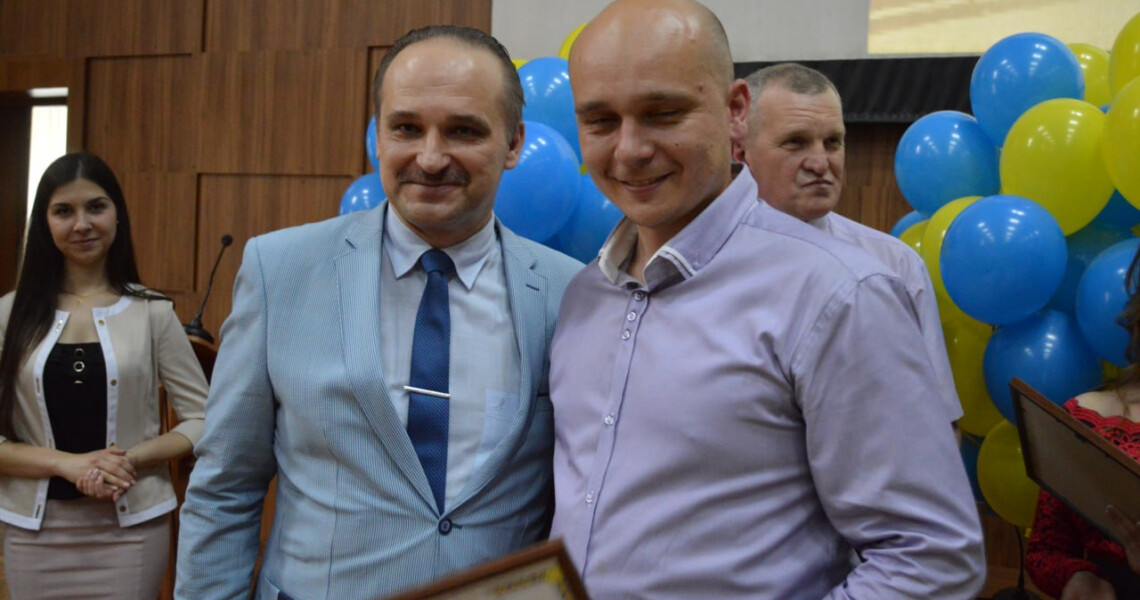
Його курс був одним із перших у період формування педіатричного факультету. Деканом тоді був професор Валерій Похилько.
— Грубо кажучи, я був координатором педіатричного факультету, – усміхається він.
Віталій спілкувався зі старостами академічних груп, брав участь в обговоренні навчального процесу, допомагав організовувати різноманітні студентські заходи.
Адже до університету він вступив у 25 років, уже маючи певний життєвий досвід. Під час навчання жив у гуртожитку, був старостою групи й не уникав відповідальності.
Студентське життя, пригадує, складалося не лише з лекцій, практичних занять і сесій. Разом із іншими студентами вони організовували толоки, спортивні заходи, долучалися до волонтерських ініціатив, допомагали одне одному й багато часу проводили разом.
Попри різницю у віці, він ніколи не відчував себе чужим серед одногрупників.
— У нас завжди були двері відкриті один до одного, – розповідає Віталій.
Цю атмосферу взаємної підтримки лікар згадує як одну з найцінніших складових студентських років. Маючи власний життєвий досвід, він приносив у студентське середовище свої погляди та бачення, а натомість отримував нові ідеї від молодших колег. Такий обмін, зізнається Віталій, значною мірою вплинув і на його особистий розвиток.
Визначаючись із професійним шляхом, Віталій Плохіх спочатку багато працював у сфері реабілітації та лікувального масажу. Саме цей досвід він називає одним із фундаментів свого професійного становлення. Поступово його дедалі більше почали цікавити неврологічні захворювання та нейрохірургія.
Переломним став 2011 рік, коли він уперше близько познайомився з роботою нейрохірургічного відділення.
— Я побачив команду, яка мене по-справжньому захопила, – згадує він.
Особливий вплив на вибір майбутньої спеціальності мав Михайло Тончев, фундатор полтавської нейрохірургії, якого Віталій згадує з особливою вдячністю.
Сьогодні працює у нейрохірургічному відділенні КП «Полтавська обласна клінічна лікарня імені М. В. Скліфосовського», де допомагає дорослим і дітям із найскладнішими нейрохірургічними патологіями.
Попри роки навчання, спеціалізації та практичний досвід, лікар переконаний: у нейрохірургії немає моменту, коли можна сказати, що знаєш усе.
— Я ніколи не забуваю відкривати підручник з анатомії перед кожною операцією, – говорить Віталій.
— Кожна людина – це нова сторінка, нова книга. Анатомія й фізіологія мають свої закономірності, але кожен організм індивідуальний, тому до кожної операції потрібно готуватися так само відповідально, як і до першої.
Тож навіть сьогодні, коли з’являється найменша можливість завітати до своєї Alma Mater, Віталій Плохіх не оминає бібліотеку – місце, де свого часу часто проходили його студентські будні. Повернувшись сюди, він знову відкриває підручник з анатомії – адже постійне навчання залишається невід’ємною частиною його професії.
Серед важливих моментів свого професійного становлення Віталій згадує і першу самостійну операцію.
Його пацієнтом стала чотирирічна дитина з великою епідуральною гематомою – скупченням крові, яке стискало головний мозок. Гематома займала майже п’яту частину внутрішньочерепного простору. Дивлячись на батьків маленького пацієнта, мимоволі думав про власну дитину, яка чекала його вдома.
З роками він навчився краще контролювати емоції, адже в операційній необхідні холодний розум і максимальна концентрація. Та співпереживання пацієнтам, переконаний Віталій, не зникає ніколи.
За роки роботи йому доводилося оперувати навіть немовля вагою лише 1 кілограм 200 грамів.
Та особливо пам’ятним став один із випадків після ракетного удару по Інституту зв’язку в Полтаві 3 вересня 2024 року.
Того дня у лікарні саме проходили курси зі спінальної хірургії, на які приїхали колеги з різних регіонів України. Після трагедії нейрохірургічне відділення почало приймати найтяжчих пацієнтів.
Серед них був військовослужбовець із тяжким травматичним ушкодженням спинного мозку. Лікарям довелося виконати надзвичайно складну й тривалу операцію, яка стала результатом злагодженої роботи всієї команди. Сьогодні цей молодий чоловік ходить.
Унікальність цього клінічного випадку привернула увагу й за кордоном – його опис опублікували у зарубіжних медичних виданнях. Для Віталія цей випадок став ще одним підтвердженням того, наскільки важливою в нейрохірургії є командна робота.
Сьогодні у команді, разом з якою він працює, – одинадцять активних нейрохірургів. Серед них два експерти Міністерства охорони здоров'я України, а один із колег нині проходить службу у лавах Збройних сил України.
Сьогодні Віталій Плохіх не лише оперує та вдосконалює власні професійні навички, а й ділиться досвідом із колегами. У Полтаві на базі тренінгового центру регулярно проходять навчання лікарі з різних регіонів України та з-за кордону.
— Сьогодні українські медики не лише переймають міжнародний досвід, а й самі мають чим поділитися, особливо з огляду на роботу української медицини в умовах війни, – говорить Віталій.
Попри можливості працювати за кордоном, пов'язувати своє майбутнє з іншою країною він не планує.
— Мій дім – тут. Тут моя родина, мама, моя робота і люди, з якими я працюю щодня.
Особливе місце в його житті посідає родинний будинок, пов'язаний з ім'ям українського художника, архітектора та етнографа Опанаса Сластіона, історія якого сягає початку ХХ століття. Уже понад століття він залишається оселею родини Плохіх – у ньому виросло сім поколінь.
Для Віталія це місце, пов'язане з родиною, пам'яттю поколінь і Полтавщиною.
Говорячи про професію лікаря, він насамперед радить майбутнім студентам і тим, хто тільки вступив до ПДМУ, бути готовими до постійної роботи над собою.
— Медицина – одна з найскладніших професій. Вона вимагає ґрунтовних знань, психологічної витримки, уміння працювати з людьми й постійно розвиватися.
А тим, хто лише розпочинає свій шлях у медицині, Віталій дає просту пораду:
— Не зупиняйтеся. Поважайте людей і себе. Працюйте, набувайте досвіду, не бійтеся складнощів. Робити, робити, робити – руками, головою.
Profession in Faces: PSMU Graduates – Neurosurgeon Vitalii Plokhikh
Пресслужба Полтавского державного медицинского университета
“I never forget to open an anatomy textbook before every operation.”
Every day, he works in the operating room, where precision, concentration, and professional experience are essential. Behind him are hundreds of complex procedures, work with the youngest patients, continuous learning, and professional development.
“I never forget to open an anatomy textbook before every operation,” says Vitalii Plokhikh, a graduate of the Ukrainian Medical Stomatological Academy (now Poltava State Medical University), neurosurgeon and pediatric neurosurgeon at the Neurosurgery Department of the M. V. Sklifosovskyi Poltava Regional Clinical Hospital.
In 2016, he graduated from the Academy, and in 2019 completed his internship in Pediatric Surgery. The following year, he obtained specializations in Neurosurgery and Pediatric Neurosurgery.
Today, his professional life involves complex clinical cases, helping children and adults, teamwork, and continuously improving his knowledge and skills. At the same time, he contributes to the development of the professional community: he is a co-founder and director of the Poltava Region Neurosurgeons Association, a co-founder of the NeuroHub medical hub, and a member of the Ukrainian Society of Stroke Medicine.
Vitalii Plokhikh did not enter neurosurgery immediately.
After completing the ninth grade, he enrolled at Lokhvytsia Medical College, where he qualified as a paramedic. In 2004, he began working. Later, he obtained a degree in Management of Organizations. However, over time he realized that, despite his new profession, medicine remained the field in which he wanted to work throughout his life.
“I essentially had to start everything from scratch: preparatory courses, the External Independent Evaluation, and admission on a state-funded place,” he recalls.
Thus, in 2010, Vitalii became a student at the Ukrainian Medical Stomatological Academy.
Initially, he studied at the Faculty of Medicine and later continued his studies at the Faculty of Pediatrics. His university years were not only a period of professional education but also a time of personal development.
His cohort was among the first during the establishment of the Faculty of Pediatrics. At that time, the Dean was Professor Valerii Pokhylko.
“Roughly speaking, I was the coordinator of the Faculty of Pediatrics,” he says with a smile.
Vitalii communicated with the heads of academic groups, participated in discussions of the educational process, and helped organize various student activities.
He entered university at the age of 25, already having considerable life experience. During his studies, he lived in a dormitory, served as the head of his academic group, and never shied away from responsibility.
As he recalls, student life consisted not only of lectures, practical classes, and examinations. Together with other students, they organized community clean-ups and sporting events, participated in volunteer initiatives, helped one another, and spent a great deal of time together.
Despite the age difference, he never felt like an outsider among his fellow students.
“Our doors were always open to one another,” Vitalii recalls.
The atmosphere of mutual support remains one of the most valuable aspects of his student years. Having his own life experience, he brought his views and perspectives to the student community, while gaining new ideas from his younger colleagues in return. This exchange, he admits, had a significant impact on his personal development as well.
While determining his professional path, Vitalii Plokhikh initially worked extensively in rehabilitation and therapeutic massage. He considers this experience one of the foundations of his professional development. Gradually, he became increasingly interested in neurological diseases and neurosurgery.
A turning point came in 2011, when he was first introduced closely to the work of a neurosurgery department.
“I saw a team that genuinely fascinated me,” he recalls.
A particularly important influence on his choice of specialty was Mykhailo Tonchev, the founder of neurosurgery in Poltava, whom Vitalii remembers with special gratitude. Today, he works in the Neurosurgery Department of the M. V. Sklifosovskyi Poltava Regional Clinical Hospital, where he helps adults and children with some of the most complex neurosurgical conditions.
Despite years of study, specialized training, and practical experience, the doctor is convinced that there is no point in neurosurgery when one can say that one knows everything.
“I never forget to open an anatomy textbook before every operation,” says Vitalii.
“Every person is a new page, a new book. Anatomy and physiology have their patterns, but every human body is unique, so every operation requires the same level of preparation and responsibility as the very first one.”
That is why even today, whenever he has the slightest opportunity to visit his Alma Mater, Vitalii Plokhikh makes a point of visiting the library – a place where much of his student life once took place. When he returns there, he once again opens an anatomy textbook, because continuous learning remains an integral part of his profession.
Among the important moments in his professional development, Vitalii also recalls his first independent operation.
His patient was a four-year-old child with a large epidural hematoma – a collection of blood compressing the brain. The hematoma occupied almost one-fifth of the intracranial space. Looking at the parents of the young patient, he could not help thinking about his own child waiting for him at home.
Over the years, he has learned to control his emotions better, because the operating room requires a cool head and maximum concentration. Yet, Vitalii believes, empathy for patients never disappears.
Over the course of his career, he has even operated on an infant weighing just 1.2 kilograms.
One case, however, was particularly memorable: a patient treated following the missile strike on the Institute of Communications in Poltava on 3 September 2024.
On that day, a spinal surgery course was being held at the hospital, with colleagues from different regions of Ukraine attending. Following the tragedy, the Neurosurgery Department began receiving the most severely injured patients.
Among them was a serviceman with a severe traumatic spinal cord injury. The doctors had to perform an exceptionally complex and lengthy operation, which was made possible by the coordinated efforts of the entire team. Today, the young man is able to walk.
The uniqueness of this clinical case attracted attention abroad as well, and its description was published in international medical journals. For Vitalii, this case provided yet another confirmation of the importance of teamwork in neurosurgery.
Today, the team he works with includes 11 active neurosurgeons. Two of them are experts of the Ministry of Health of Ukraine, while one of his colleagues is currently serving in the Armed Forces of Ukraine.
Today, Vitalii Plokhikh not only performs operations and improves his own professional skills but also shares his experience with colleagues. Doctors from different regions of Ukraine and from abroad regularly undergo training at a training center in Poltava.
“Today, Ukrainian doctors not only learn from international experience but also have much to share themselves, especially given the experience of Ukrainian medicine working under wartime conditions,” says Vitalii.
Despite opportunities to work abroad, he does not plan to build his future in another country.
“My home is here. My family, my mother, my work, and the people I work with every day are here.”
A special place in his life is occupied by the family home associated with the name of Opanas Slastion, a Ukrainian artist, architect, and ethnographer whose history dates back to the early twentieth century. For more than a century, it has remained the home of the Plokhikh family – seven generations have grown up there.
For Vitalii, this place is inseparable from his family, the memory of generations, and the Poltava region.
Speaking about the medical profession, he first of all advises prospective students and those who have just entered PSMU to be prepared for continuous self-improvement.
“Medicine is one of the most challenging professions. It requires solid knowledge, psychological resilience, the ability to work with people, and a commitment to constant development.”
And to those who are just beginning their journey in medicine, Vitalii offers simple advice:
“Do not stop. Respect people and respect yourself. Work, gain experience, and do not be afraid of difficulties. Do, do, do – with your hands and your head.”