


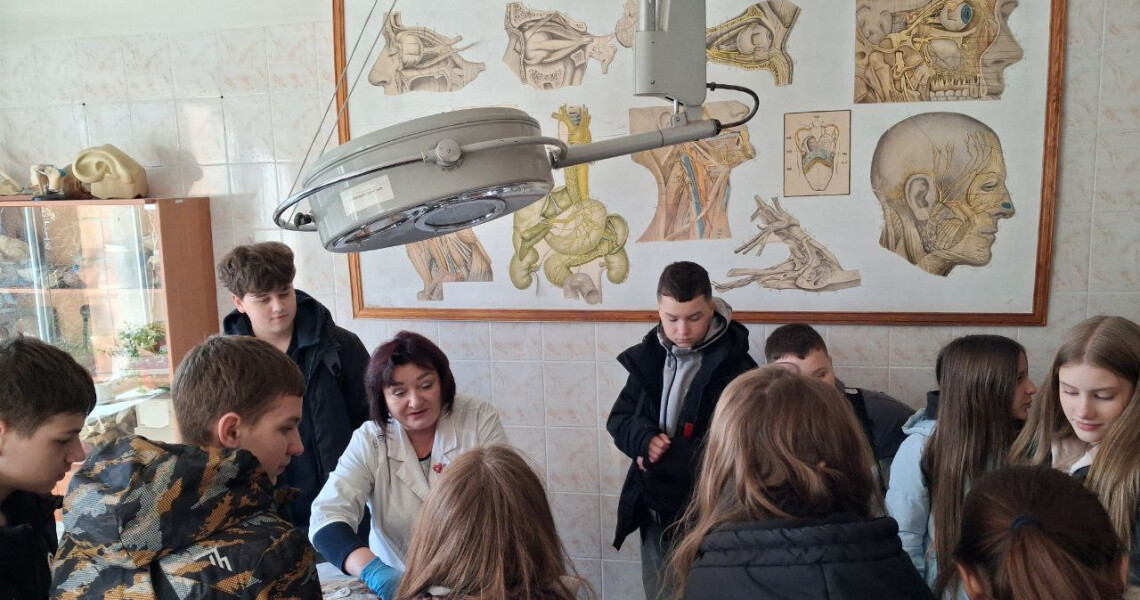
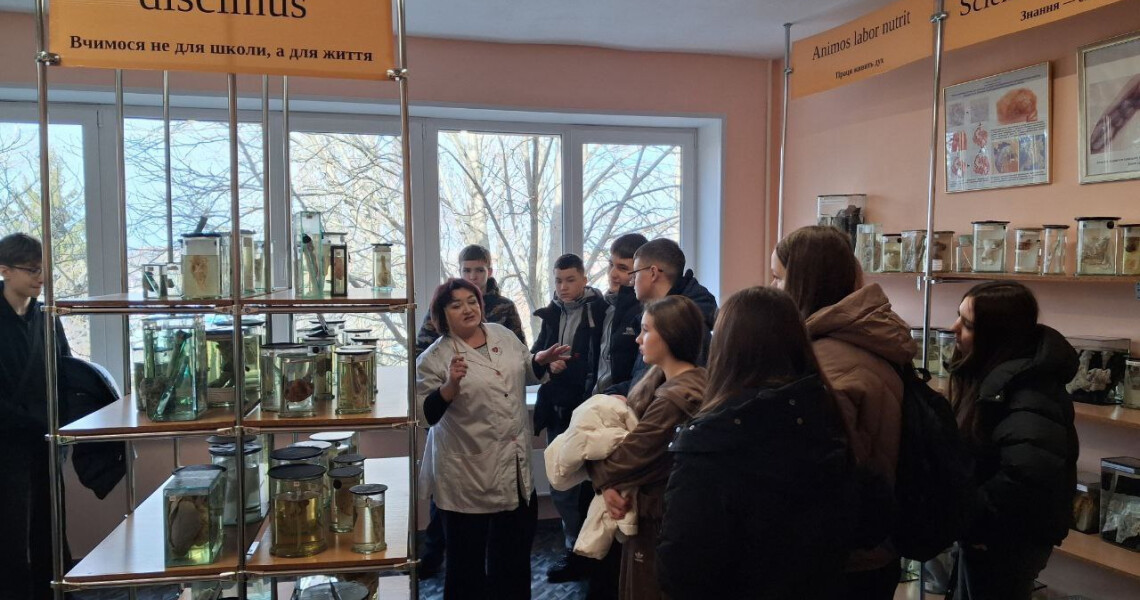
У межах реалізації програми профорієнтаційної роботи та поглиблення знань із курсу біології учні 8 класу Полтавського ліцею №29 відвідали кафедру анатомії людини ПДМУ. Навчальний візит відбувся за участі вчителя біології та класного керівника, що дозволило інтегрувати отримані знання безпосередньо в освітній процес.
Захід було організовано за ініціативи завідувача кафедри анатомії людини Володимира Гриня, який всебічно сприяє налагодженню зв’язків між закладами середньої освіти та медичним університетом для популяризації науки серед молоді.
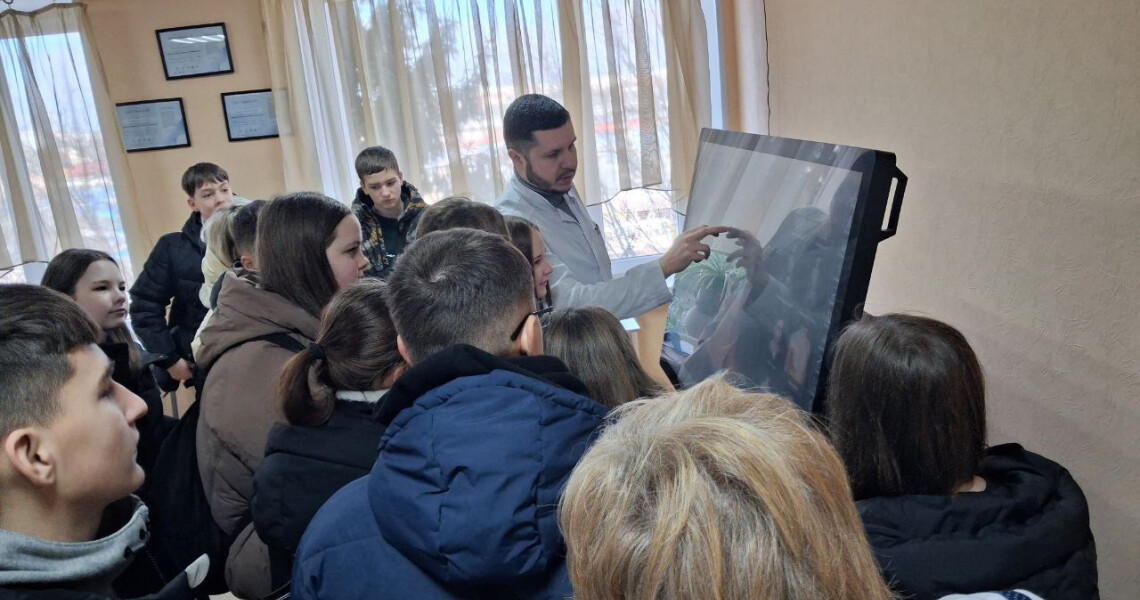
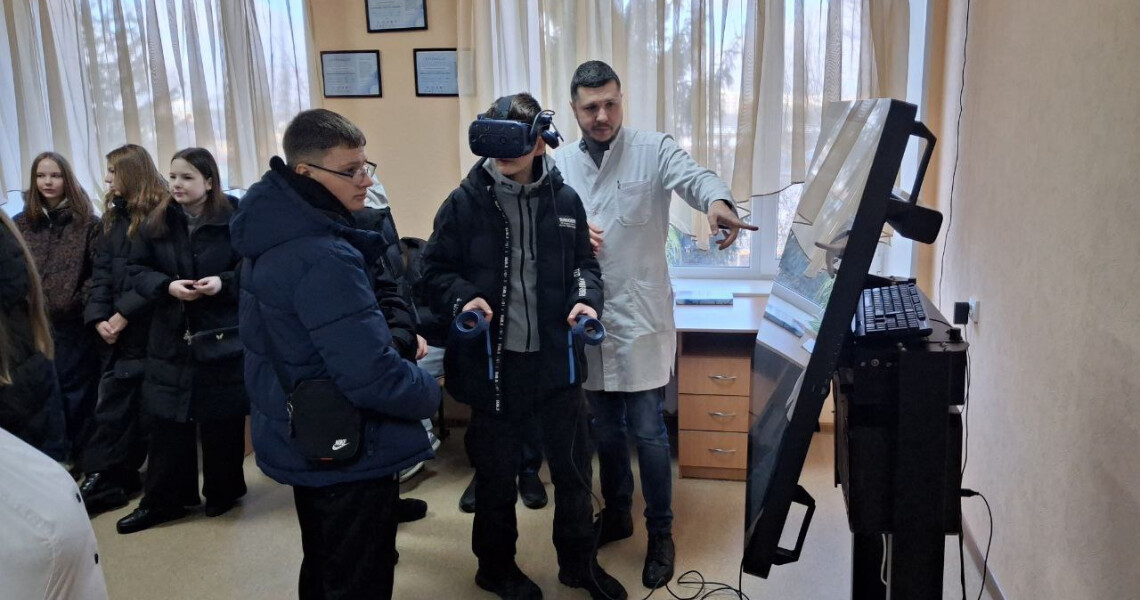
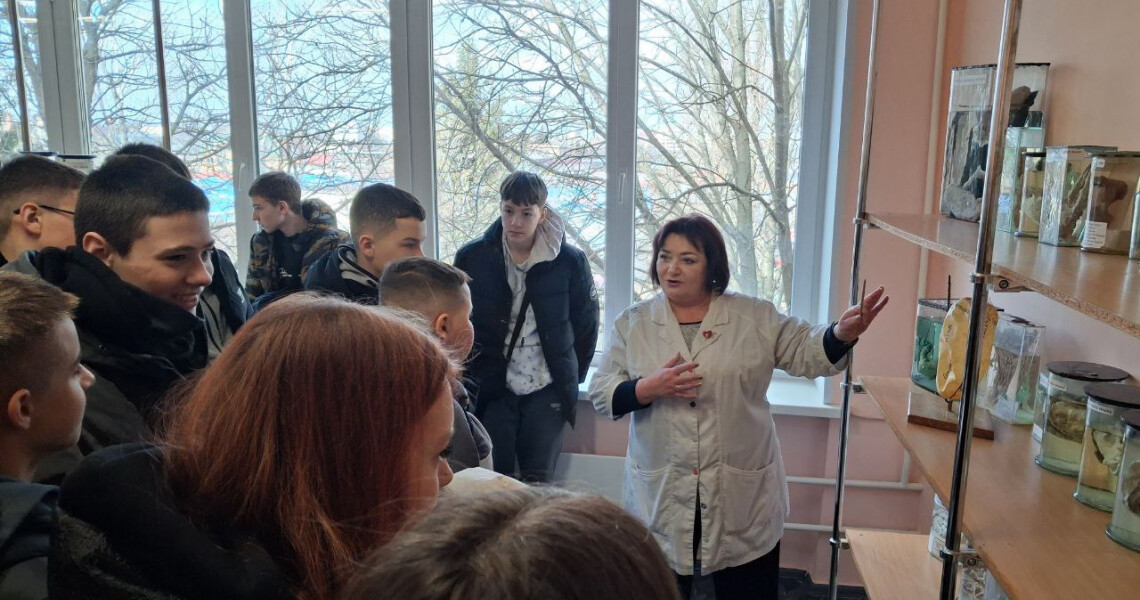
Під час екскурсії, яку провели доцент кафедри анатомії людини Олеся Тихонова та викладач Ігор Федорченко, ліцеїсти ознайомилися з унікальними фондами анатомічного музею, що є важливою базою для вивчення морфології людського тіла. Особливу увагу було приділено впровадженню сучасних цифрових технологій у медичну освіту. Зокрема, учні отримали досвід роботи з інтерактивним комплексом «Оніко», де за допомогою VR-окулярів змогли детально дослідити складні анатомічні структури у віртуальному просторі, поєднавши класичні методи навчання з інноваційними підходами.
Пресслужба Полтавського державного медичного університету
Career Guidance Visit of Lyceum No. 29 Pupils to the Department of Human Anatomy
As part of the career guidance program and to deepen their knowledge of biology, eighth-grade pupils of Poltava Lyceum No. 29 visited the Department of Human Anatomy of Poltava State Medical University. The educational visit took place with the participation of the biology teacher and the class supervisor, which enabled the integration of the acquired knowledge directly into the educational process.
The event was organized at the initiative of Volodymyr Hryn, Head of the Department of Human Anatomy, who actively promotes cooperation between secondary education institutions and the medical university in order to popularize science among young people.
During the tour, conducted by Associate Professor Olesia Tykhonova and lecturer Ihor Fedorchenko, the lyceum students became acquainted with the unique collections of the anatomical museum, which serve as an essential resource for studying the morphology of the human body. Particular attention was given to the implementation of modern digital technologies in medical education. In particular, the students gained hands-on experience with the interactive “Oniko” system, using VR headsets to explore complex anatomical structures in a virtual environment, effectively combining classical teaching methods with innovative approaches.