


На кафедрі анатомії людини ПДМУ відбувся профорієнтаційний захід для учнів 10–11 класів IT STEP School Полтава, спрямований на ознайомлення майбутніх абітурієнтів із сучасними можливостями медичної освіти та інноваційними підходами до вивчення анатомії людини.
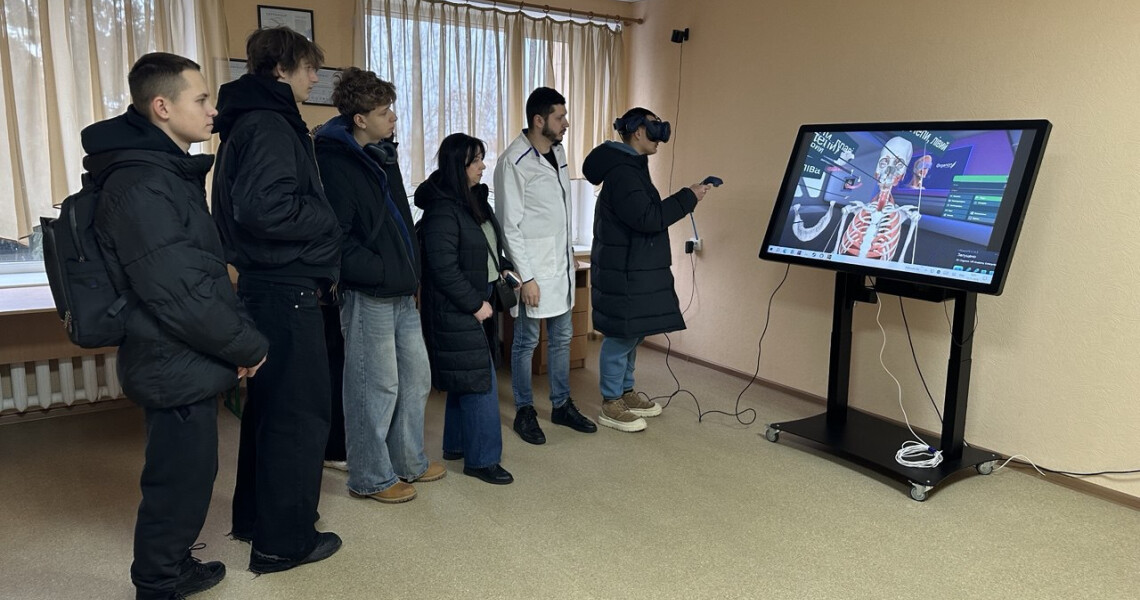
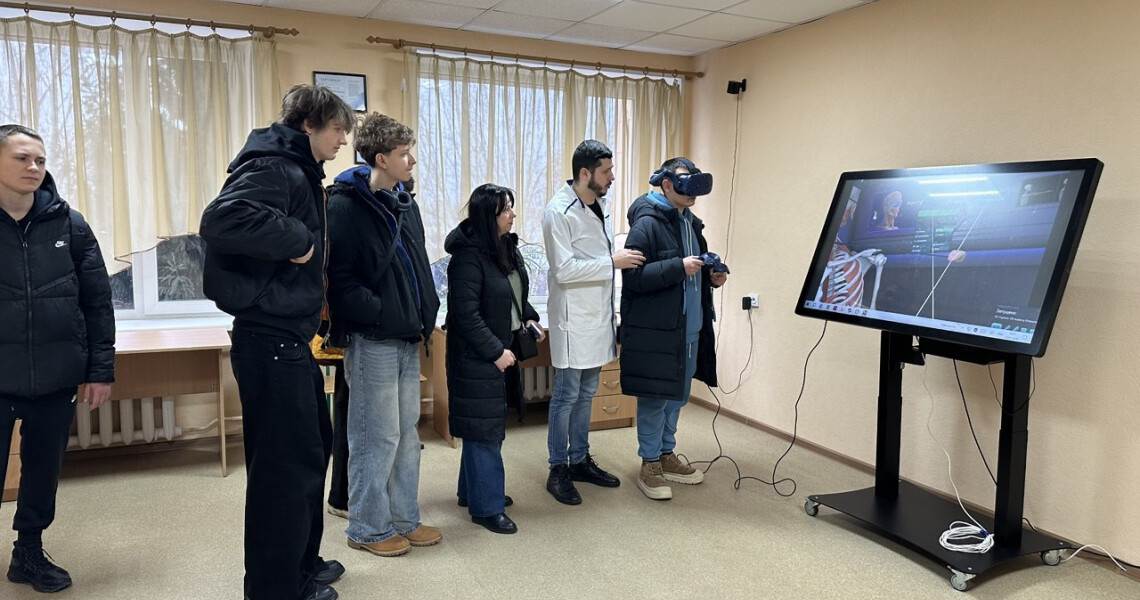
Учасникам заходу було продемонстровано мобільний мультимедійний інтерактивний стіл «Оніко», що дає змогу в інтерактивному форматі вивчати будову людського тіла, моделювати анатомічні структури та застосовувати VR-технології для глибшого просторового розуміння органів і систем. Такий формат викликав жвавий інтерес у школярів і наочно показав, як цифрові технології інтегруються в сучасний освітній процес.
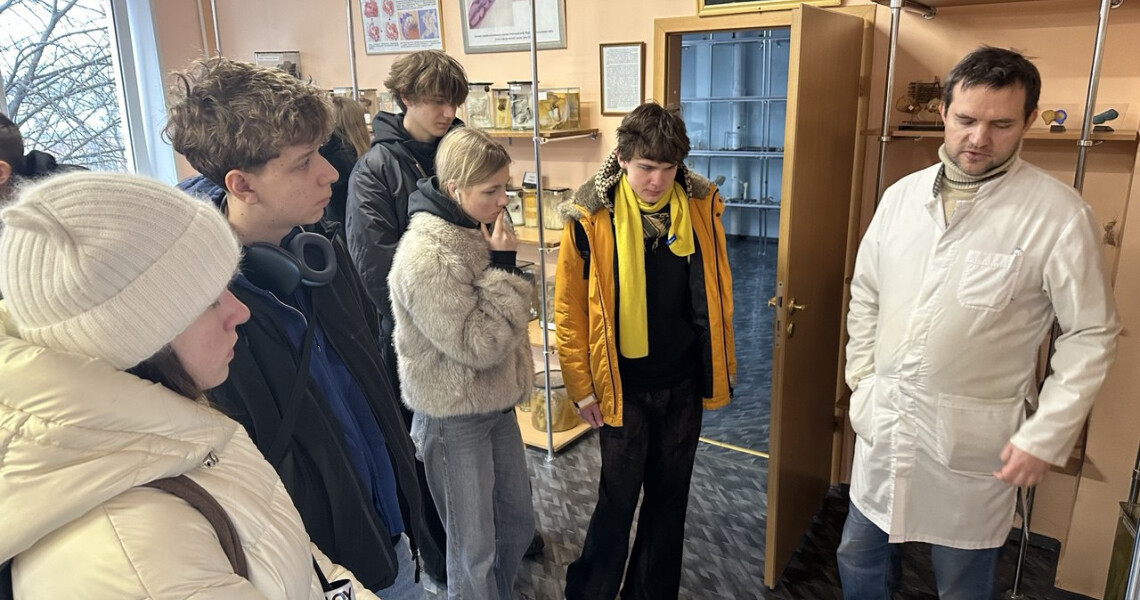
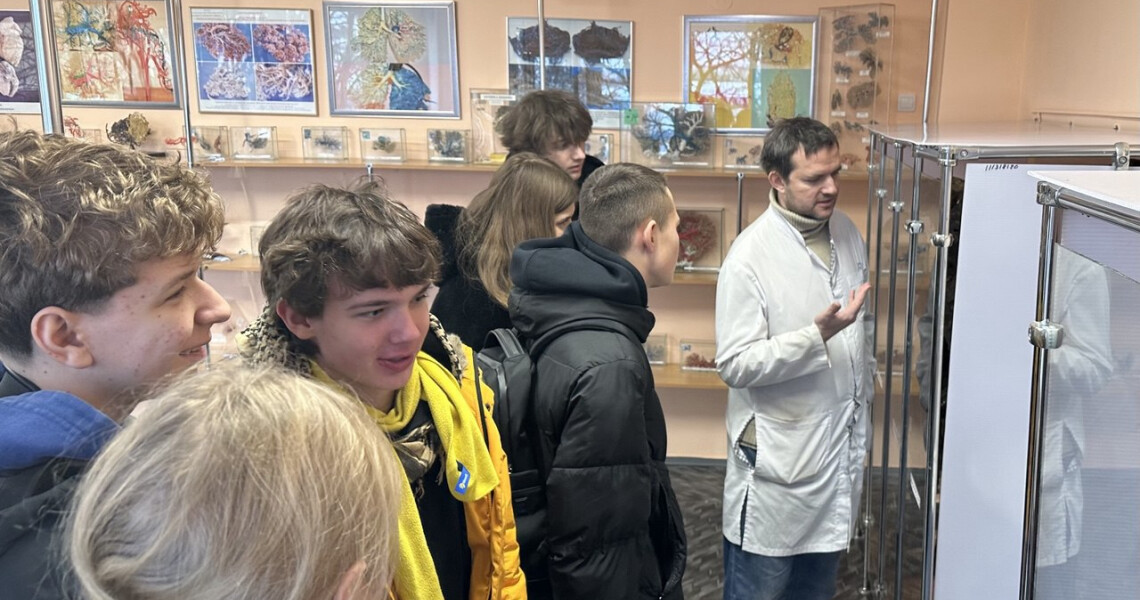
Окремою частиною програми стало знайомство з анатомічним музеєм кафедри, де учні мали змогу побачити унікальні навчальні препарати та дізнатися про їх значення у підготовці майбутніх лікарів.
Організаторами заходу виступили завідувач кафедри анатомії людини Володимир Гринь, доктор філософії, викладач Ігор Федорченко та старший лаборант Віталій Стриженок. Захід став яскравим прикладом відкритого діалогу між закладом вищої медичної освіти та школярами, сприяючи усвідомленому професійному вибору й формуванню інтересу до медицини та біомедичних технологій.
Пресслужба Полтавського державного медичного університету
Career Guidance Event at the Department of Human Anatomy: Where Science Meets Innovation
The Department of Human Anatomy at PSMU hosted a career guidance event for 10th–11th grade pupils from IT STEP School Poltava, aimed at introducing prospective entrants to the state-of-the-art opportunities in medical education and innovative approaches to studying human anatomy.
Participants were introduced to the mobile multimedia interactive table “Oniko,” which allows students to explore the human body interactively, model anatomical structures, and use VR technologies for a deeper spatial understanding of organs and systems. This hands-on format sparked lively interest among the students and vividly demonstrated how digital technologies are integrated into contemporary educational processes.
A special part of the program included a tour of the department’s anatomical museum, where students could view unique educational specimens and learn about their importance in training future doctors.
The event was organized by Volodymyr Hryn, DMSc, the Head of the Department of Human Anatomy, lecturer Ihor Fedorchenko, and Senior Lab Technician Vitalii Stryzhenok. The initiative served as an excellent example of open dialogue between a higher medical education institution and school students, fostering informed career choices and cultivating interest in medicine and biomedical technologies.