


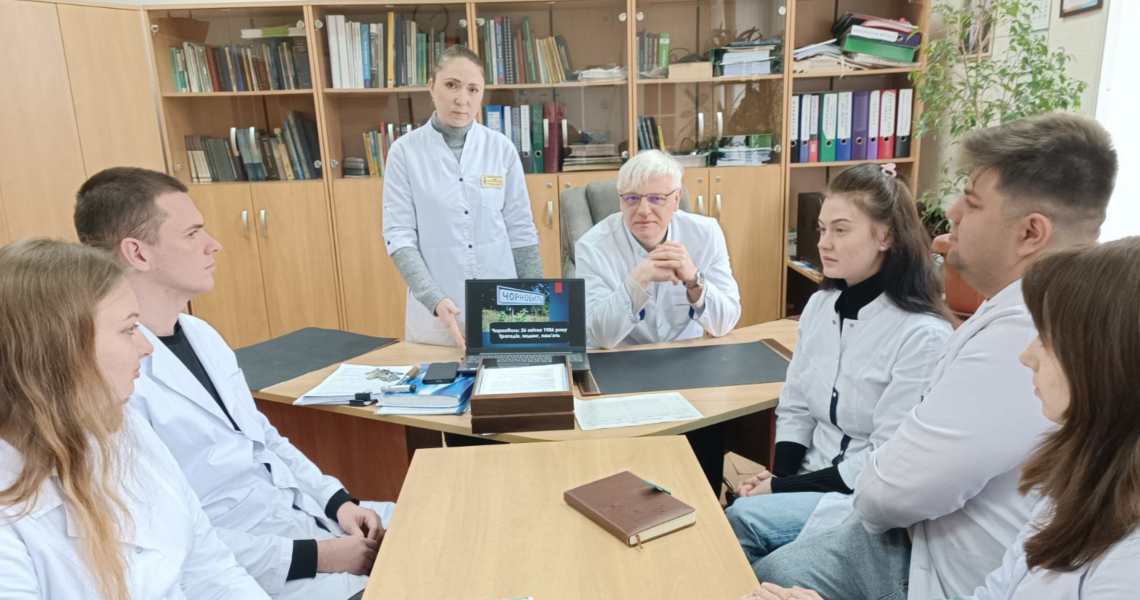
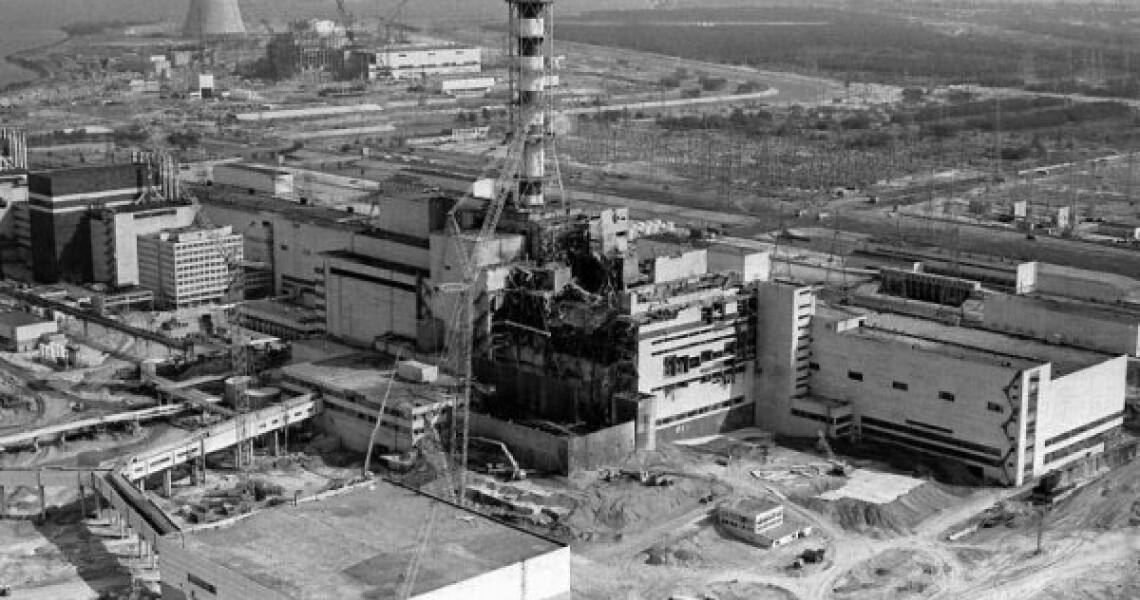
24 квітня 2026 року на кафедрі нервових хвороб Полтавського державного медичного університету напередодні 40-ї річниці катастрофи на Чорнобильській АЕС було проведено виховний захід для лікарів-інтернів з фаху «Неврологія» ІІ року навчання, групи 232. Організаторами виступили відповідальна за виховну роботу доцентка Катерина Гринь та завідувач кафедри професор Михайло Дельва.
З майбутніми лікарями-неврологами обговорили важливість збереження пам’яті про цю трагічну подію, яка стала однією з найбільших техногенних катастроф ХХ століття.
Особливу увагу було приділено впливу іонізуючого випромінювання та атомної енергії на організм людини, зокрема на нервову систему.
Такі заходи сприяють формуванню у здобувачів освіти та лікарів розуміння довготривалих наслідків катастрофи та необхідності відповідального ставлення до використання ядерних технологій. Пам’ять про Чорнобиль є важливим елементом професійного та громадянського виховання майбутніх медиків.
Пресслужба Полтавського державного медичного університету
“Chornobyl: Lessons of the Tragedy and the Memory of Generations” (marking the 40th anniversary of the disaster) educationally event held at PSMU
On April 24, 2026, at the Department of Neurology of Poltava State Medical University (PSMU), an educational event was organized on the eve of the 40th anniversary of the Chornobyl Nuclear Power Plant disaster. The event was conducted for second-year neurology interns (group 232). It was organized by Associate Professor Kateryna Hryn, who is responsible for educational work, and the Head of the Department, Professor Mykhailo Delva.
Together with future neurologists, participants discussed the importance of preserving the memory of this трагic event, which became one of the largest man-made disasters of the 20th century.
Special attention was given to the impact of ionizing radiation and nuclear energy on the human body, particularly on the nervous system.
Such events contribute to developing in students and medical professionals an understanding of the long-term consequences of the disaster and the necessity of a responsible approach to the use of nuclear technologies. The memory of Chornobyl remains an important component of the professional and civic education of future medical practitioners.