


До 40-ї річниці Чорнобильської катастрофи ми звертаємося не лише до трагічних сторінок історії, а й до прикладів наукової єдності та пошуку рішень, які допомогли зберегти здоров’я людей.
Про внесок полтавської наукової школи у розвиток радіаційної медицини та розробку засобів, що захищають організм від іонізуючого опромінення, розповідає Вікторія Почерняєва – доктор медичних наук, професор кафедри онкології та радіології з радіаційною медициною ПДМУ, лікар-радіолог.
– Пані Вікторіє, якими були перші дні після Чорнобильської катастрофи з точки зору впливу на здоров’я населення?
– У квітні 1986 року сталася подія, яку нині вважають найбільшою техногенною катастрофою в історії людства. В атмосферу потрапила величезна кількість радіонуклідів. Водночас інформація про масштаби аварії замовчувалася, а люди не усвідомлювали рівня загрози. Радіація – невидимий ворог: без запаху, кольору чи смаку, тому населення залишалося без належного захисту. Пізно розпочалися евакуація та йодна профілактика, що суттєво вплинуло на подальший стан здоров’я людей.
– Чи можна сказати, що суспільство було готове до таких викликів?
– На жаль, ні. Рівень обізнаності щодо здоров’я населення був дуже низьким. Люди рідко зверталися до лікарів, не мали звички до профілактики. До того ж дослідження впливу іонізуючого випромінювання були закритими, адже стосувалися військової сфери. Навіть ліквідатори часто не розуміли, з чим мають справу і які наслідки це матиме.
– Якою була роль Полтавщини у той період?
– Полтавська область менше постраждала через напрям вітру в перші дні після аварії. Саме тому сюди прибувала велика кількість людей з більш уражених територій. Водночас медична й наукова спільнота регіону активно долучилася до пошуку рішень для захисту населення. Тодішній Полтавський медичний стоматологічний інститут об’єднав зусилля багатьох кафедр.
– Над чим працювали полтавські вчені у той час?
– Основна увага була зосереджена на вивченні вільнорадикальних процесів і пошуку антиоксидантного захисту. Це була потужна міждисциплінарна робота: фармакологи, клініцисти, біологи, хіміки, технологи працювали разом. Сформувалися потужні наукові школи, які й сьогодні визначають розвиток медицини в університеті.
– Як виникла ідея використання рослин-адаптогенів?
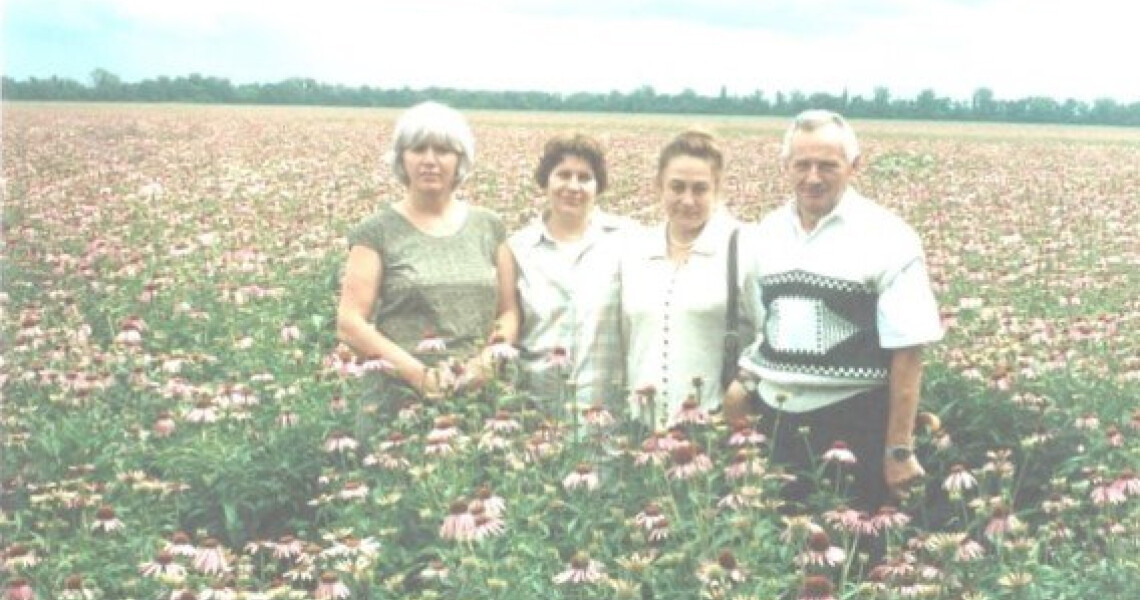
– Вона з’явилася завдяки співпраці з біологами та ботаніками. Ми звернули увагу на групу рослин-адаптогенів, які підвищують неспецифічну резистентність організму. Серед них – женьшень, родіола рожева, лимонник китайський, елеутерокок і ехінацея. Саме ехінацея виявилася найбільш перспективною для підвищення стійкості організму до стресових факторів, зокрема до радіаційного впливу.
– Яким був шлях від ідеї до створення препарату?
– Це була десятирічна праця великого колективу. Ми проводили експериментальні дослідження, зокрема вивчали радіопротекторні властивості ехінацеї. До роботи долучалися фахівці з різних галузей. У результаті було створено препарат, що мав захисну дію і міг застосовуватися для різних вікових груп.
– Чи обмежилися ви лише фармацевтичними розробками?
– Ні, ми пішли далі. Розуміючи, що не всі люди готові регулярно приймати лікарські засоби, ми інтегрували біологічно активні компоненти у продукти харчування. Зокрема створювали функціональні напої та дитяче харчування з додаванням ехінацеї. Було розроблено та запатентовано кілька продуктів, включно з фруктовими соками для дітей, які пройшли клінічні випробування.
– Чи отримали ці розробки міжнародне визнання?
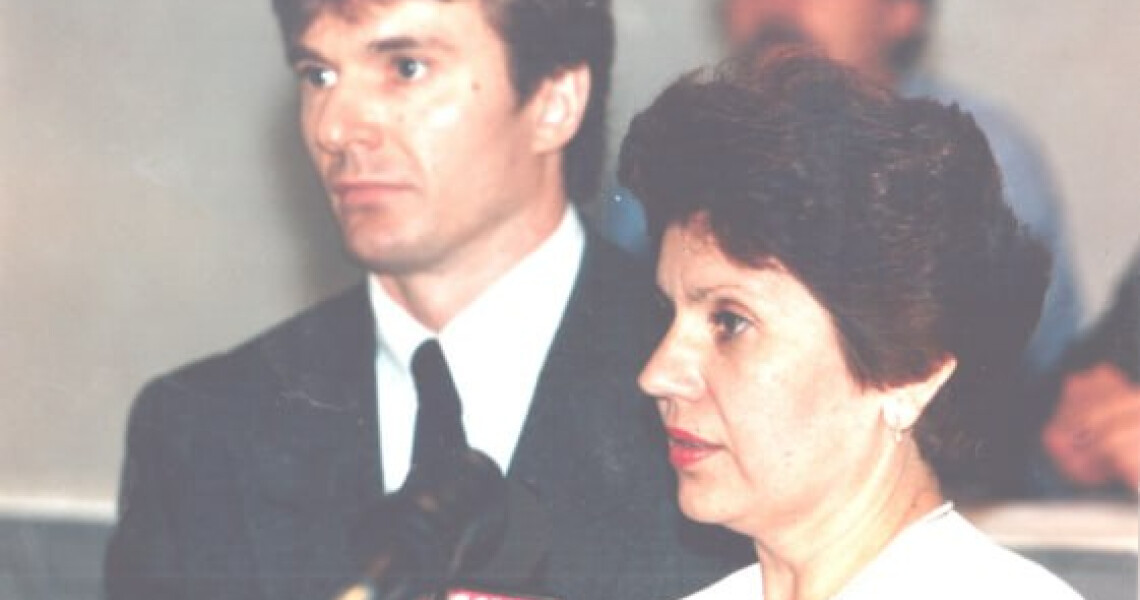
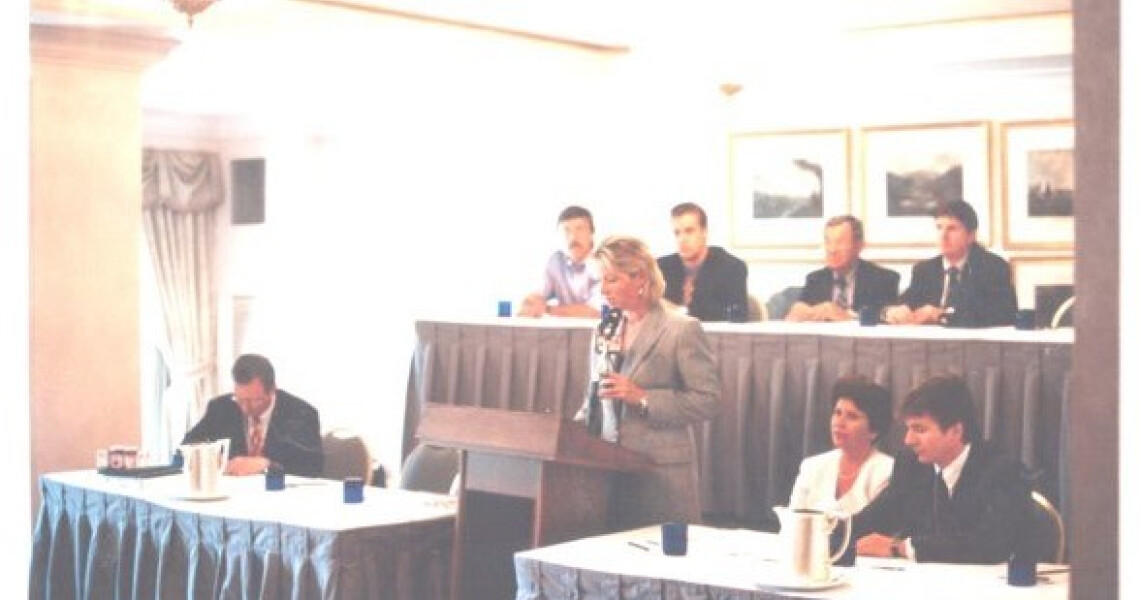
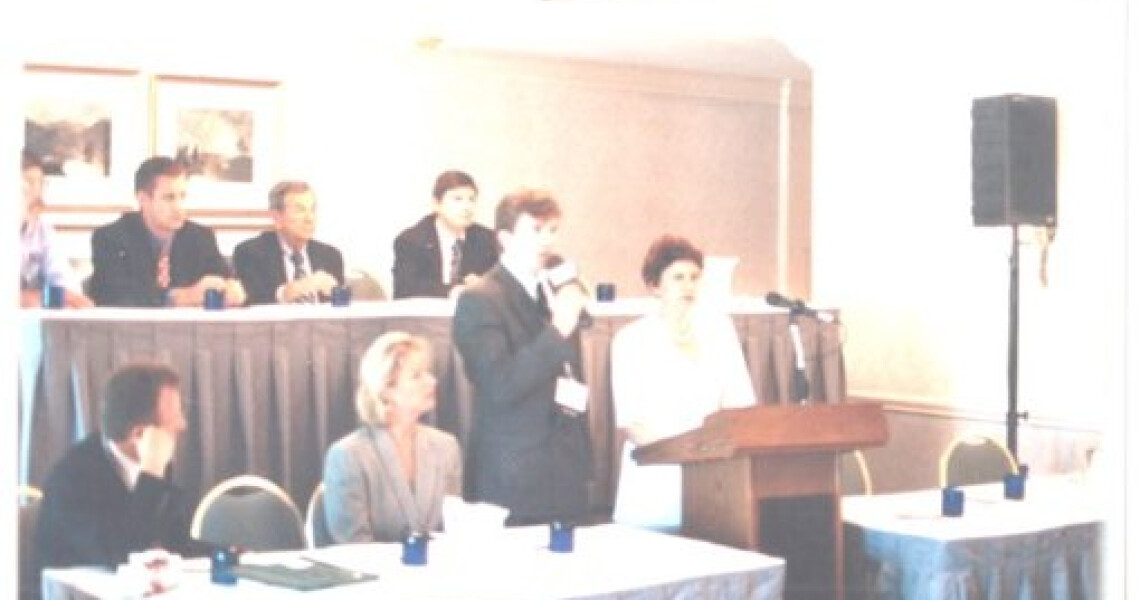
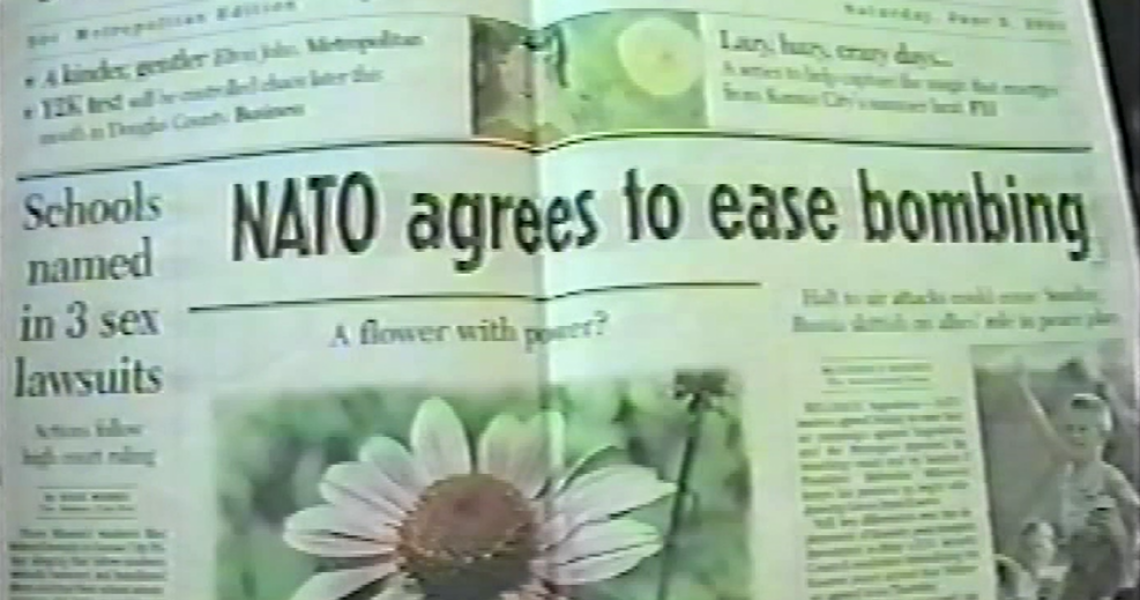
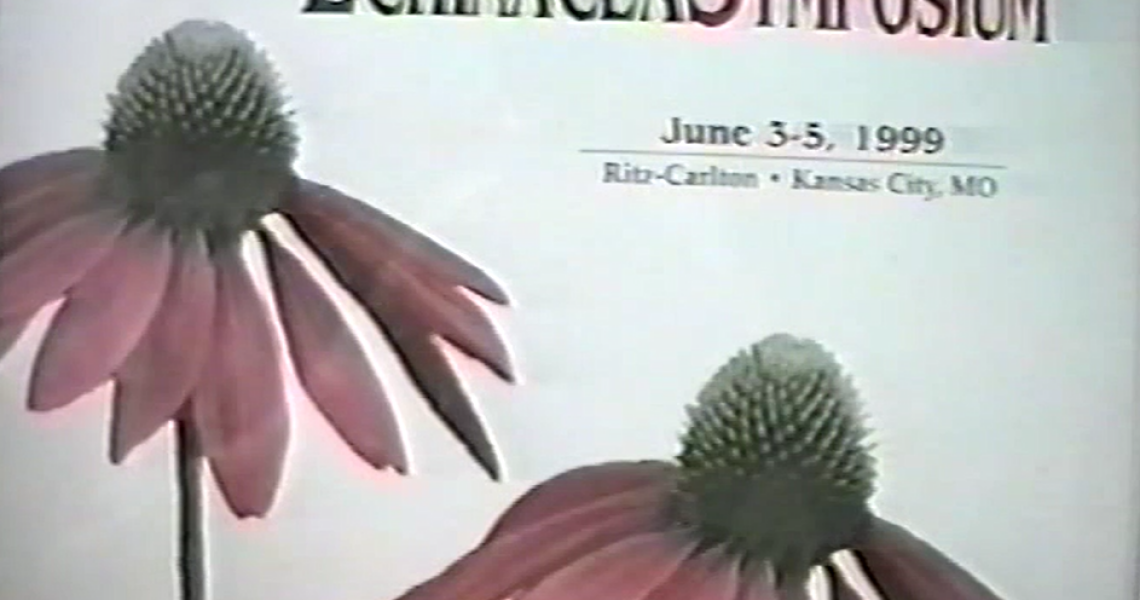
– Так, у 1999 році ми брали участь у міжнародному симпозіумі в США, присвяченому ехінацеї. Наші дослідження викликали значний інтерес, адже ми представляли досвід країни, що безпосередньо постраждала від Чорнобильської катастрофи. Це було визнанням роботи великого колективу українських учених.
– Яке значення мають ці дослідження сьогодні?
– Ехінацея не є панацеєю, але вона стала важливим кроком до розвитку профілактичної медицини та біологічної терапії. Сьогодні ми говоримо про здоров’язбережувальні технології, але їхні витоки – саме в тих дослідженнях. Це був прорив для свого часу.
– Що Ви б хотіли донести сучасним студентам-медикам і молодим науковцям?
– Окрім фахових знань, важливо розуміти юридичні аспекти науки: як захистити інтелектуальну власність, як впроваджувати розробки у виробництво. Наш досвід показує, що це не менш важливо, ніж сама наука.
40-річчя Чорнобильської катастрофи – це не лише вшанування пам’яті про трагедію, а й нагадування про силу науки, що здатна відповідати на найскладніші виклики. Особливе місце у розвитку сучасної профілактичної медицини займають дослідження полтавських учених, зокрема професора ПДМУ Вікторії Почерняєвої, яка заклала важливі наукові основи у сфері радіаційної медицини.
Пресслужба Полтавського державного медичного університету
From Chernobyl to Contemporary Preventive Medicine: the Scientific Experience of PSMU Professor Viktoriia Pocherniaieva
On the 40th anniversary of the Chornobyl disaster, we turn not only to the tragic pages of history, but also to examples of scientific unity and the search for solutions that helped preserve people’s health.
Viktoriia Pocherniaieva — Doctor of Medical Sciences, Professor of the Department of Oncology and Radiology with Radiation Medicine at PSMU, and a radiologist — speaks about the contribution of the Poltava scientific school to the development of radiation medicine and the creation of means to protect the human body from ionizing radiation.
– Professor Pocherniaieva, what were the first days after the Chornobyl disaster like in terms of its impact on public health?
– In April 1986, an event occurred that is now considered the largest man-made disaster in human history. A huge amount of radionuclides was released into the atmosphere. At the same time, information about the scale of the accident was concealed, and people did not realize the level of danger. Radiation is an invisible enemy: it has no smell, color, or taste, so the population was left without proper protection. Evacuation and iodine prophylaxis began too late, which significantly affected people’s subsequent health.
– Can we say that society was prepared for such challenges?
– Unfortunately, no. The level of public health awareness was very low. People rarely sought medical care and had no habit of preventive measures. Moreover, research on the effects of ionizing radiation was classified because it was related to the military sphere. Even the liquidators often did not fully understand what they were dealing with or what the consequences would be.
– What role did the Poltava region play at that time?
– The Poltava region was less affected due to the wind direction in the first days after the accident. Therefore, a large number of people from more affected areas arrived here. At the same time, the region’s medical and scientific community actively joined efforts to find solutions to protect the population. The then Poltava Medical Dental Institute united the efforts of many departments.
– What were Poltava scientists working on at that time?
– The main focus was on studying free radical processes and searching for antioxidant protection. It was a powerful interdisciplinary effort: pharmacologists, clinicians, biologists, chemists, and technologists worked together. Strong scientific schools were formed, which continue to shape the development of medicine at the university today.
– How did the idea of using plant adaptogens arise?
– It emerged through collaboration with biologists and botanists. We turned our attention to a group of plants known as adaptogens, which increase the body’s non-specific resistance. These include ginseng, Rhodiola rosea, Schisandra chinensis, Eleutherococcus, and echinacea. Echinacea proved to be the most promising for enhancing the body’s resistance to stress factors, including radiation exposure.
– What was the path from idea to creating a medicinal product?
– It was a decade-long effort by a large research team. We conducted experimental studies, including investigating the radioprotective properties of echinacea. Specialists from various fields were involved. As a result, a product with protective effects was developed, suitable for use across different age groups.
– Did your work focus only on pharmaceuticals?
– No, we went further. Understanding that not everyone is ready to take medications regularly, we integrated biologically active components into food products. In particular, we developed functional beverages and children’s nutrition enriched with echinacea. Several products were developed and patented, including fruit juices for children that underwent clinical trials.
– Did these developments receive international recognition?
– Yes. In 1999, we participated in an international symposium in the United States dedicated to echinacea. Our research attracted considerable interest because we represented the experience of a country directly affected by the Chornobyl disaster. It was recognition of the work of a large team of Ukrainian scientists.
– What is the significance of this research today?
– Echinacea is not a panacea, but it became an important step toward the development of preventive medicine and biological therapy. Today we speak about health-preserving technologies, but their origins lie in those studies. It was a breakthrough for its time.
– What would you like to convey to contemporary medical students and young researchers?
– In addition to professional knowledge, it is important to understand the legal aspects of science: how to protect intellectual property and how to implement developments in production. Our experience shows that this is no less important than the science itself.
The 40th anniversary of the Chornobyl disaster is not only a commemoration of the tragedy, but also a reminder of the power of science to respond to the most complex challenges. A special place in the development of up to date preventive medicine belongs to the research of Poltava scientists, particularly Professor Viktoriia Pocherniaieva of PSMU, who laid important scientific foundations in the field of radiation medicine.